 Čeština
 Deutsch
 Polski
 Español
 Italiano
 Français
Safari in Africa
A safari in Africa is one of the greatest adventure experiences in the world. This continent offers a unique opportunity to observe wildlife in its natural habitat. Kenya, as one of the leading destinations, attracts tourists with its national parks and rich diversity of flora and fauna. If you’re looking for an authentic African safari, Kenya is the ideal choice. Here you’ll encounter iconic animals such as lions, elephants, and giraffes. At Blackie Tours, we offer customized trips that combine nature with culture.
A safari in Africa isn’t just about wildlife viewing. It’s a journey into the heart of nature. In Kenya, you can experience the Great Migration, when thousands of animals cross rivers. This phenomenon is one of the highlights of an African safari. With Blackie Tours, you’ll gain access to the best locations. Our tours start from coastal cities like Mombasa or Watamu. This makes it easier to enter the national parks. Get ready for an adventure that will change your perspective on the world.
The History and Significance of Safaris in Africa
Safaris have their roots in the 19th century. At that time, European hunters were exploring the African savannas. The word “safari” comes from Swahili and means “journey.” Today, safaris focus on observing wildlife rather than hunting it. In Africa, safaris have become a symbol of nature conservation. Kenya played a key role in this development. The first national parks, such as the Masai Mara, were established here. These areas protect endangered species.
The significance of safaris lies in fostering a relationship between humans and nature, as well as in active conservation. All revenue from tourism supports local communities. Many tribes live in Kenya, such as the Maasai. You’ll visit their villages and sample traditional foods. This will enrich your experience. African safaris contribute to sustainability. They help protect animals from poaching.
What to Expect on an African Safari
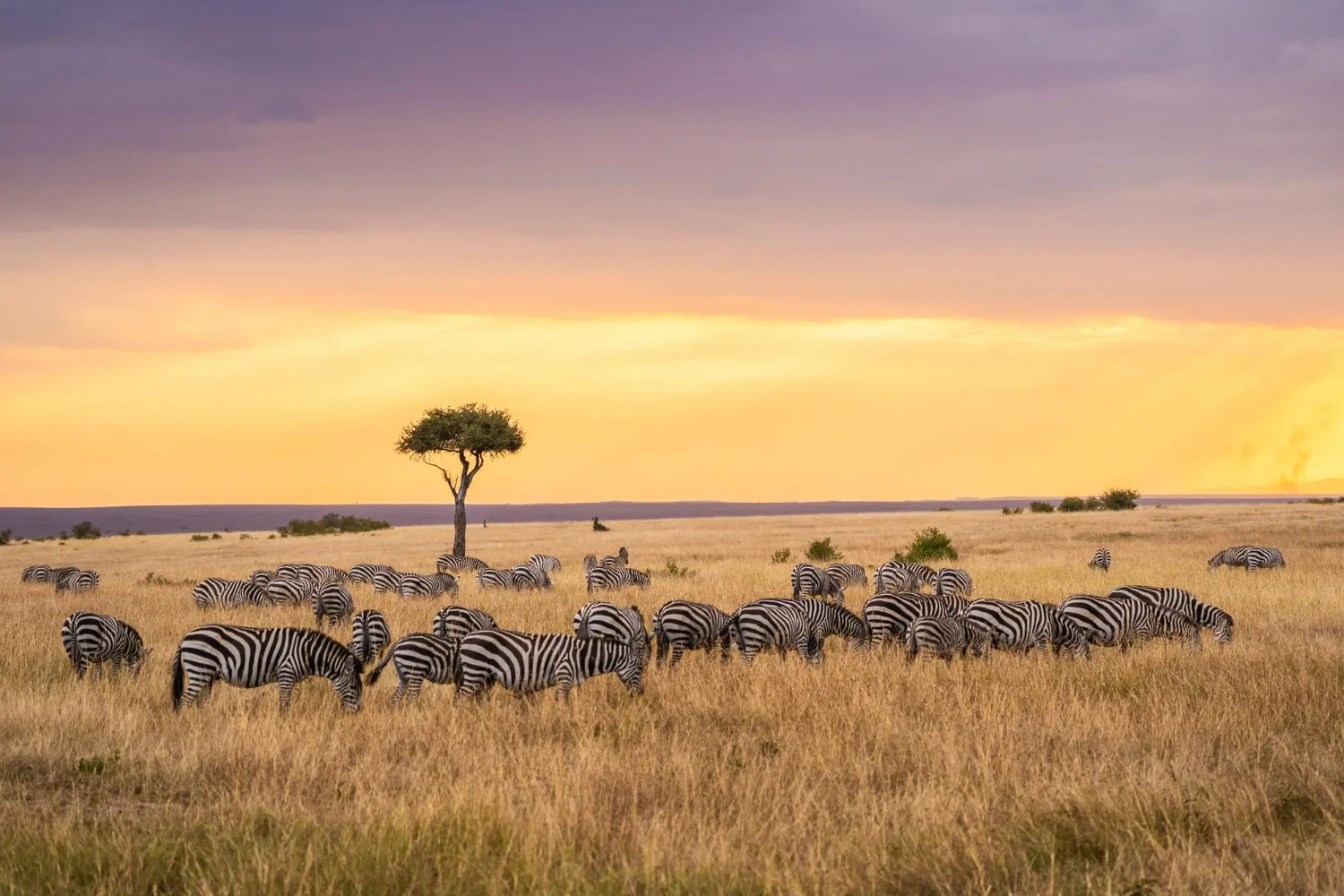
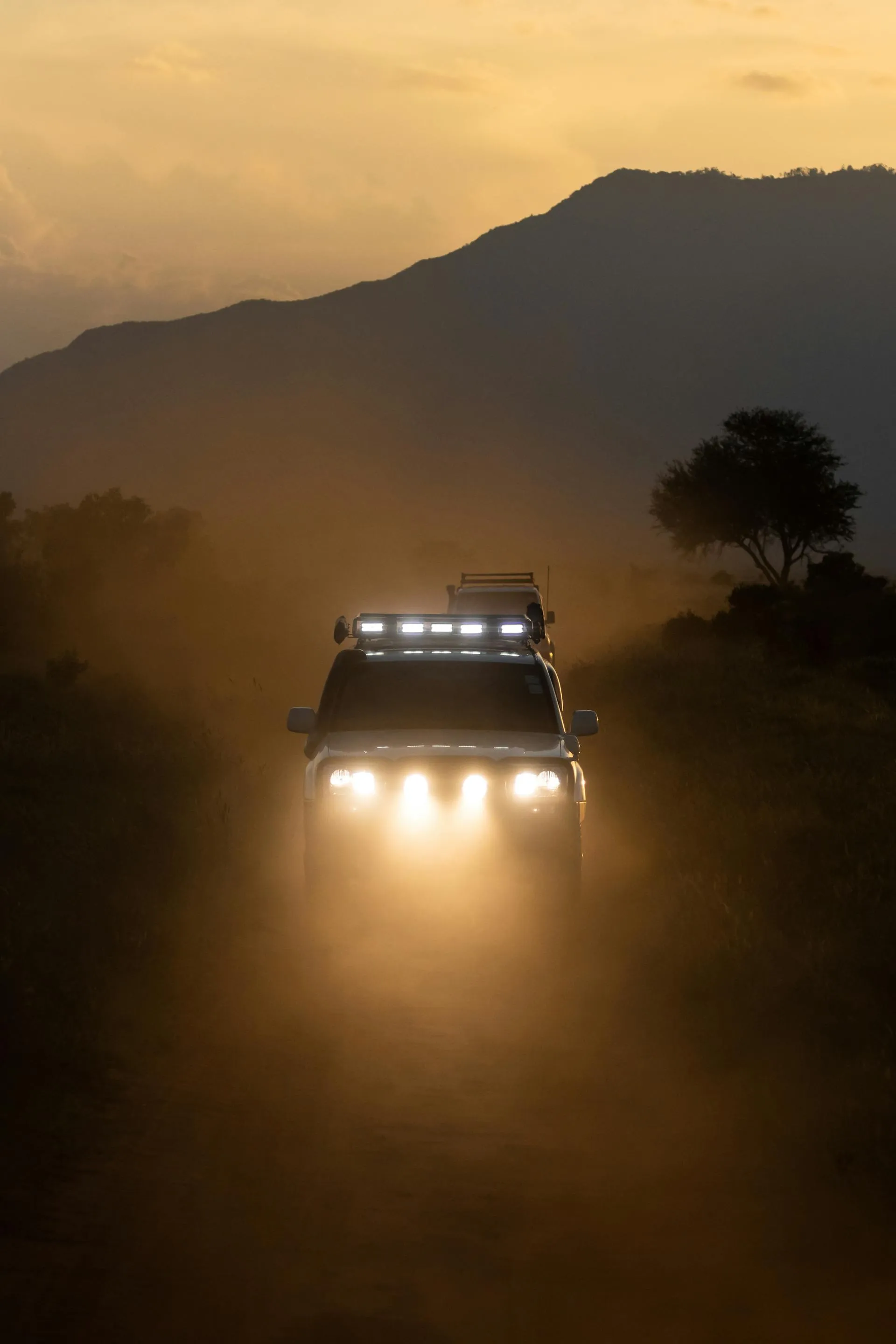
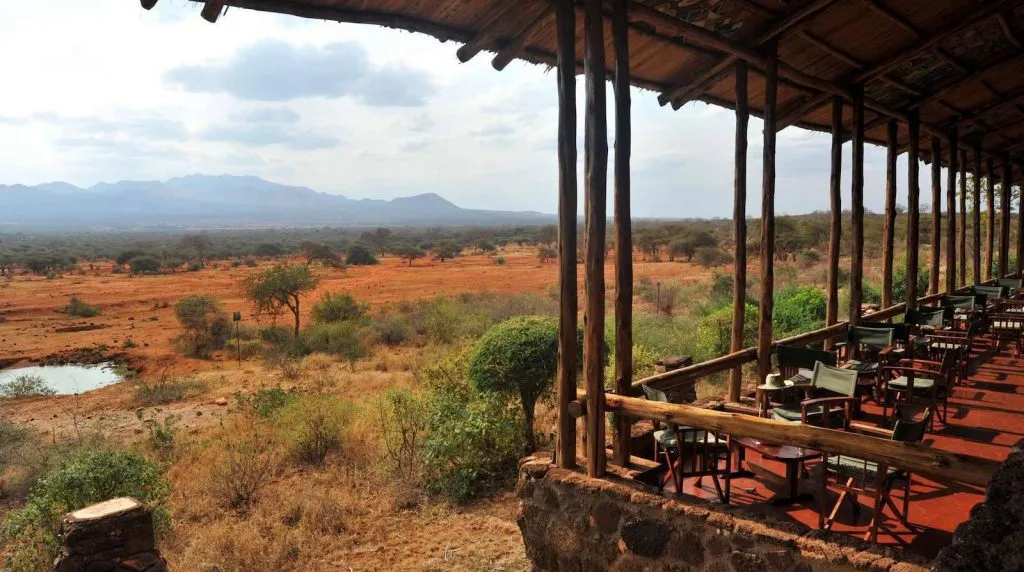
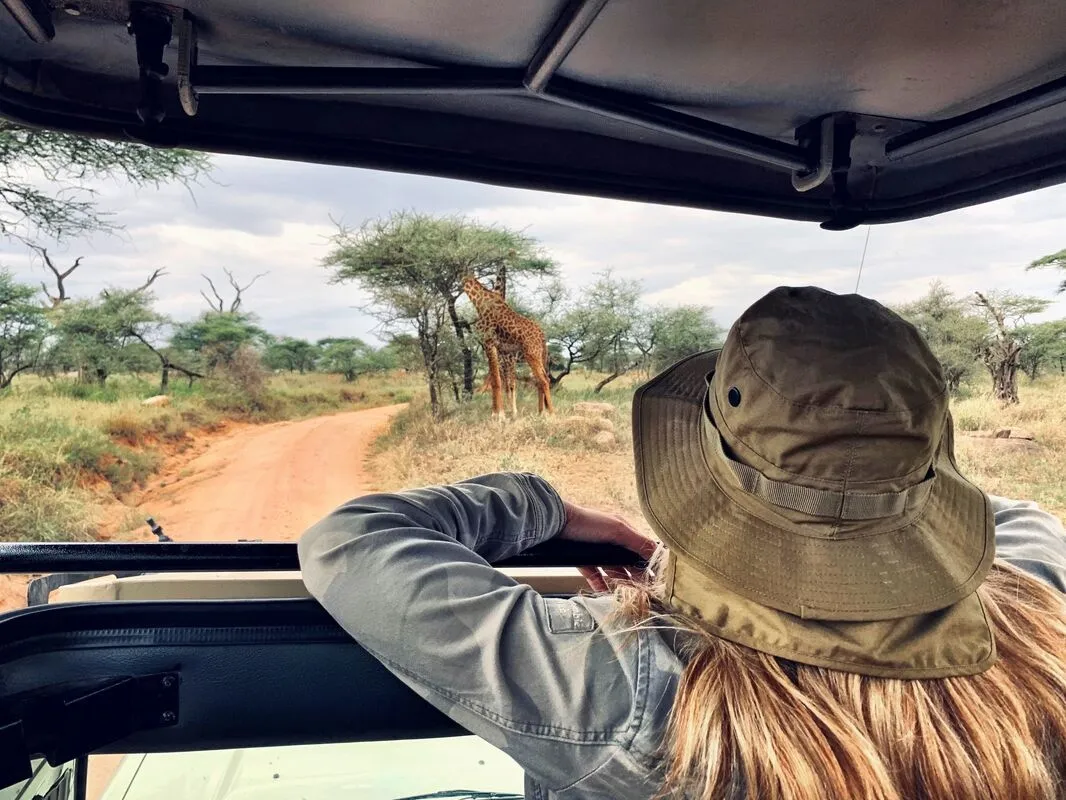
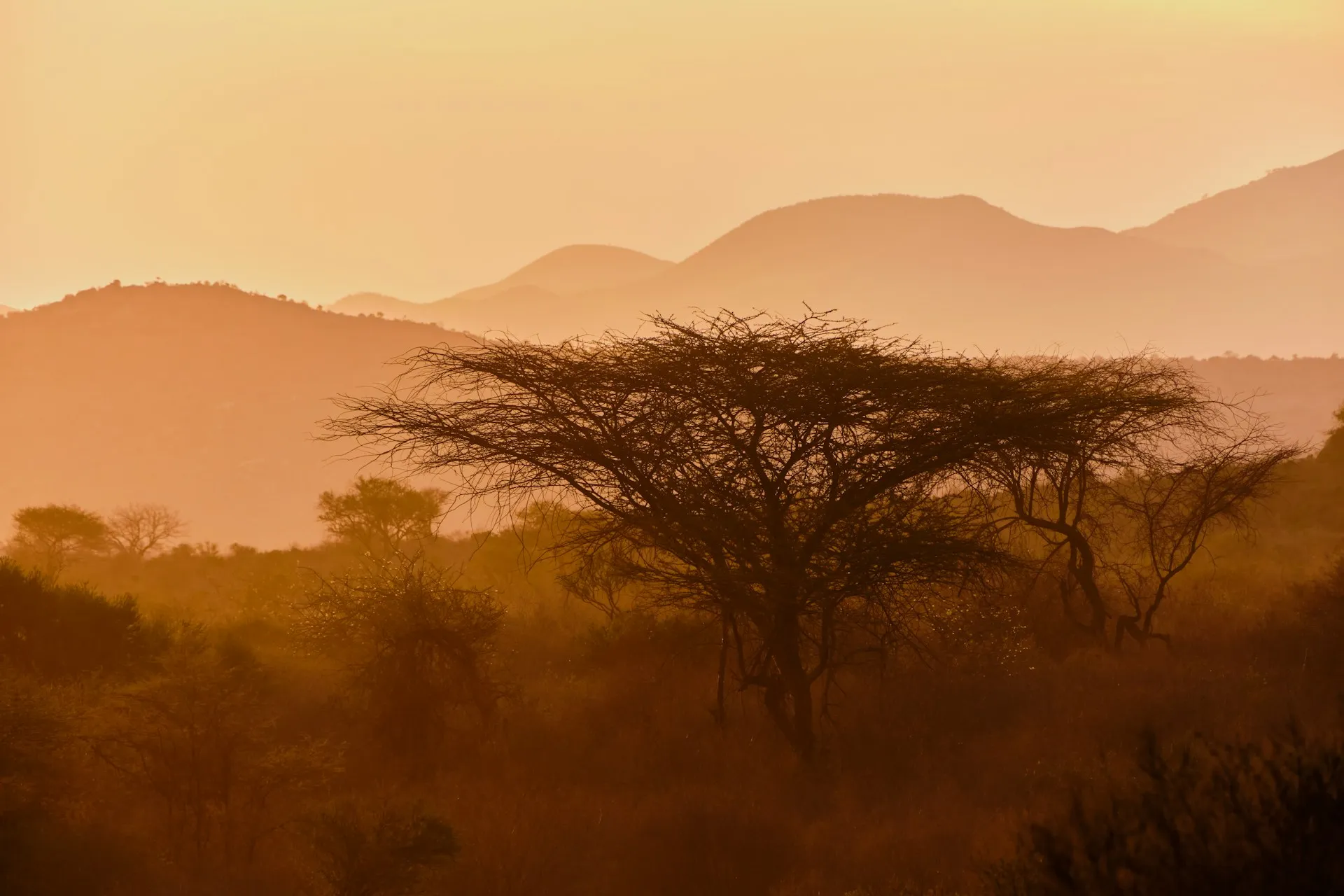
An African safari offers an intense and authentic encounter with the wild that you simply can’t experience anywhere else. A typical day begins very early. We usually set out while it’s still dark or at the first rays of sunrise, when the animals are most active. It is during these hours that you have the best chance of seeing lions hunting, cheetahs in full sprint, or giraffes gracefully grazing on the tops of acacia trees. The afternoon drive then offers a more peaceful atmosphere. The sun sets, the animals gather at the watering holes, and the landscape is bathed in shades of gold and orange.
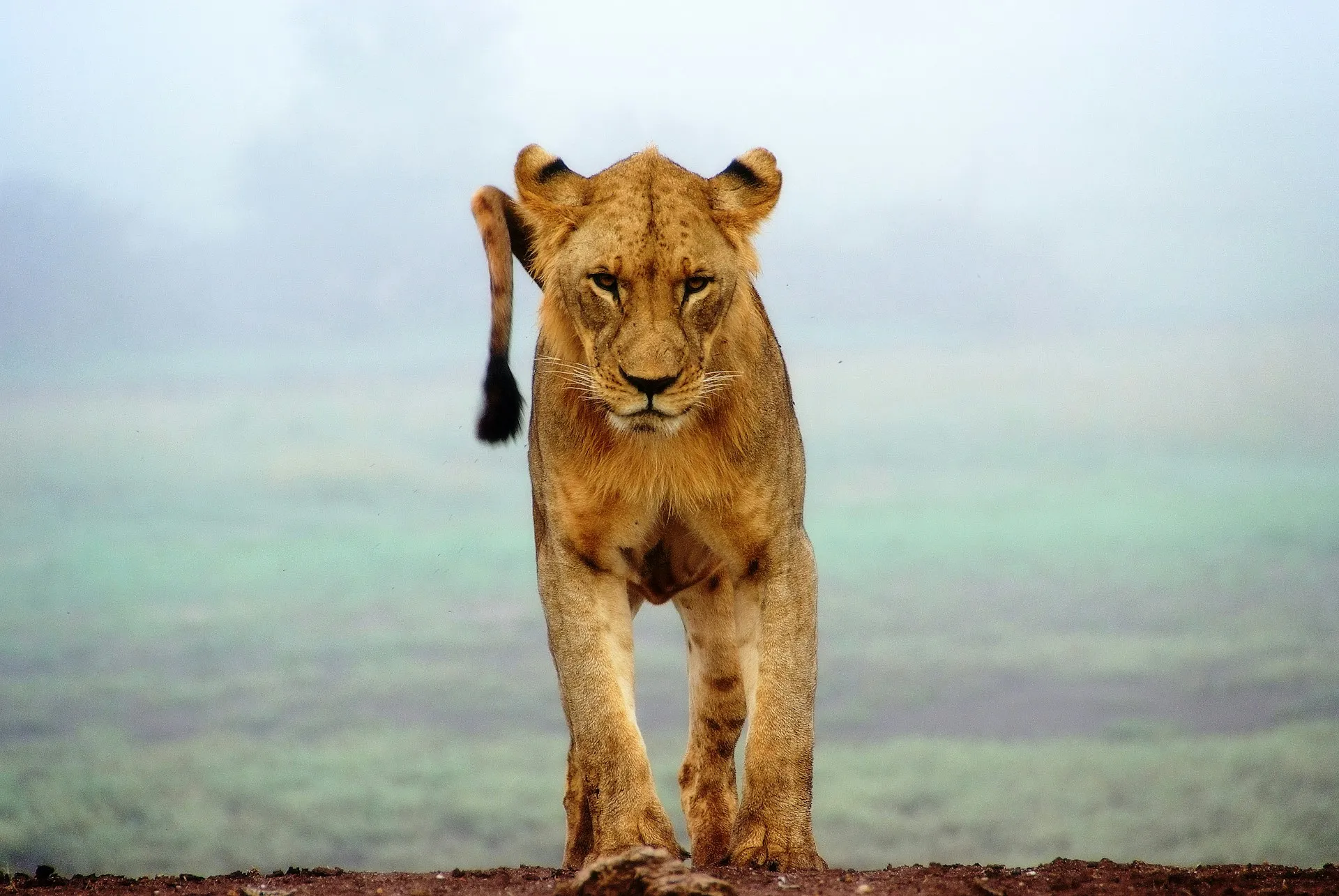
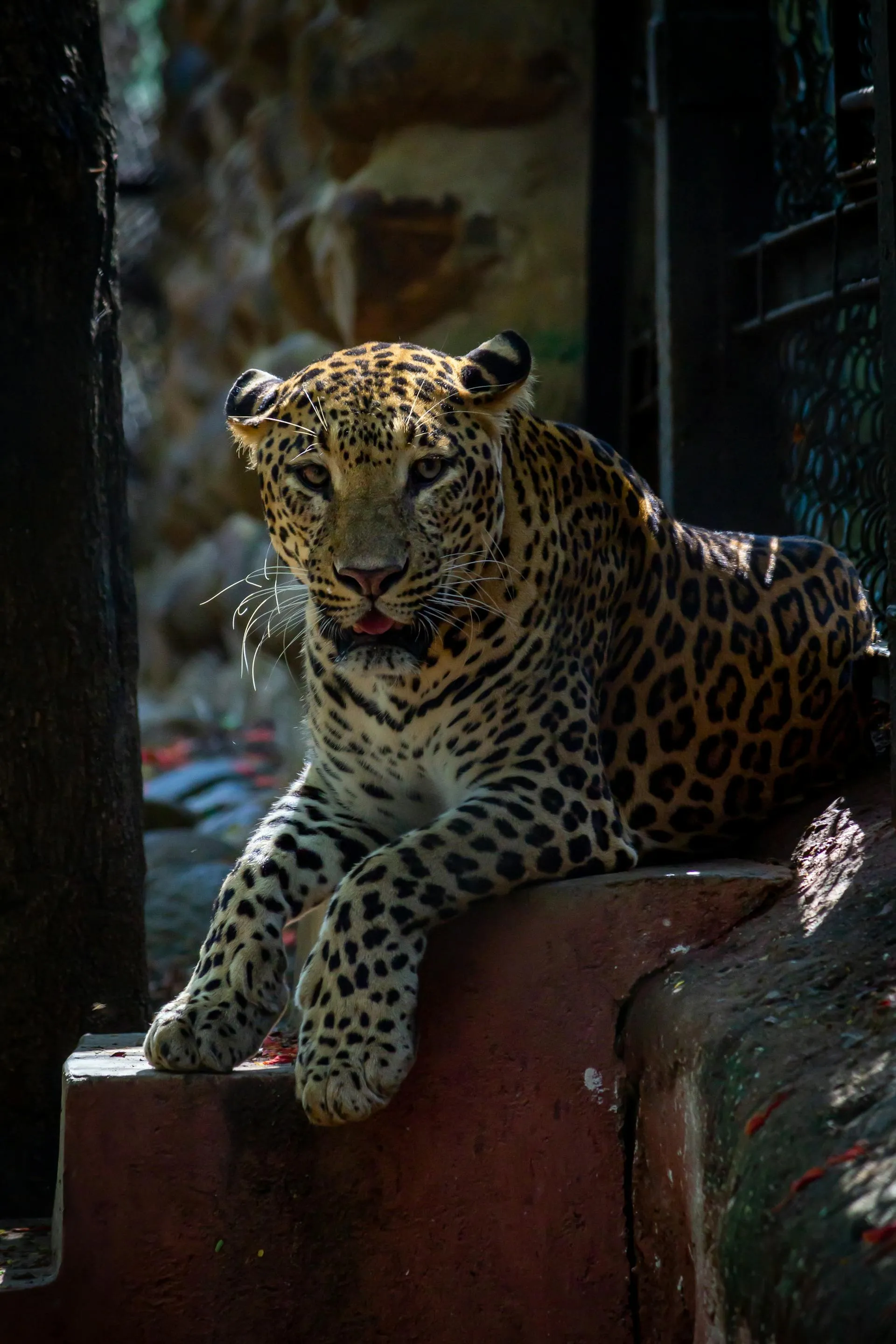
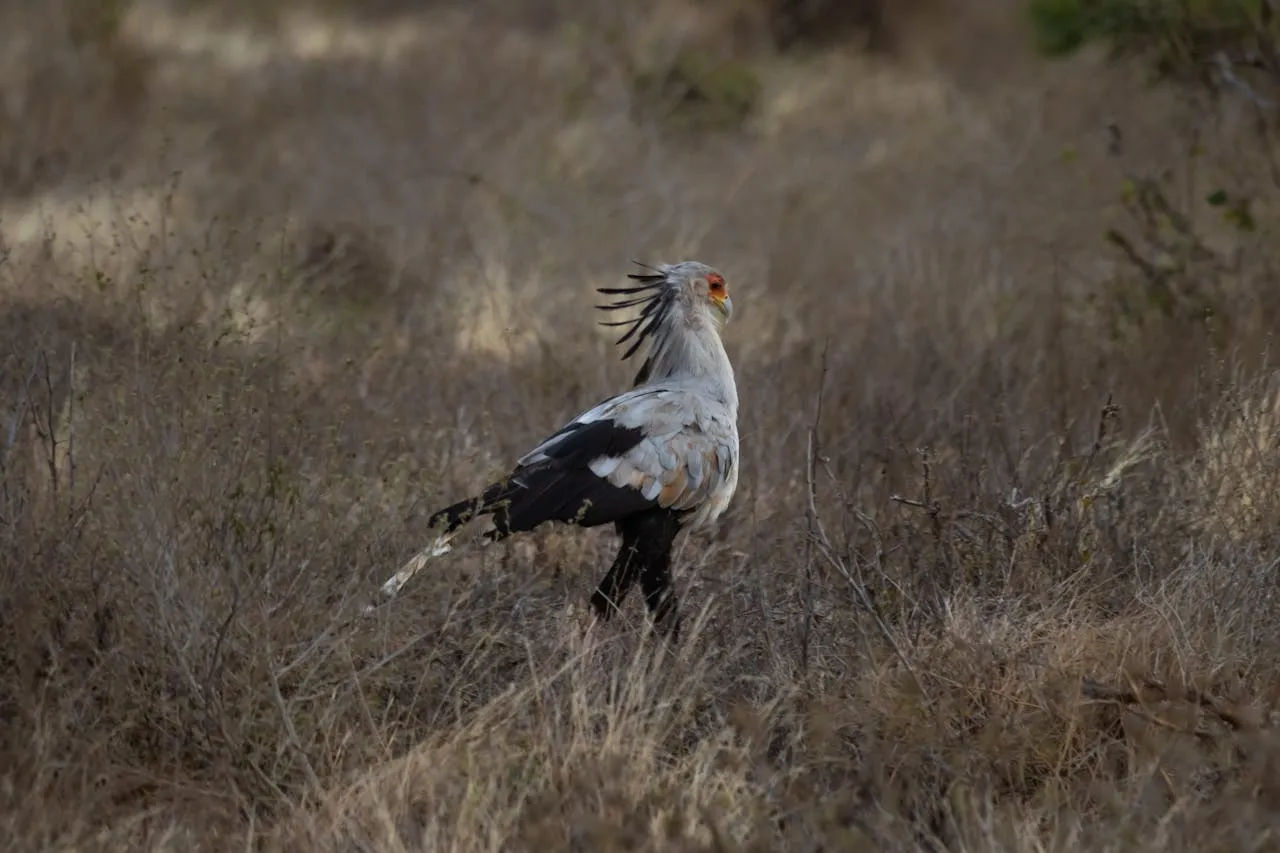
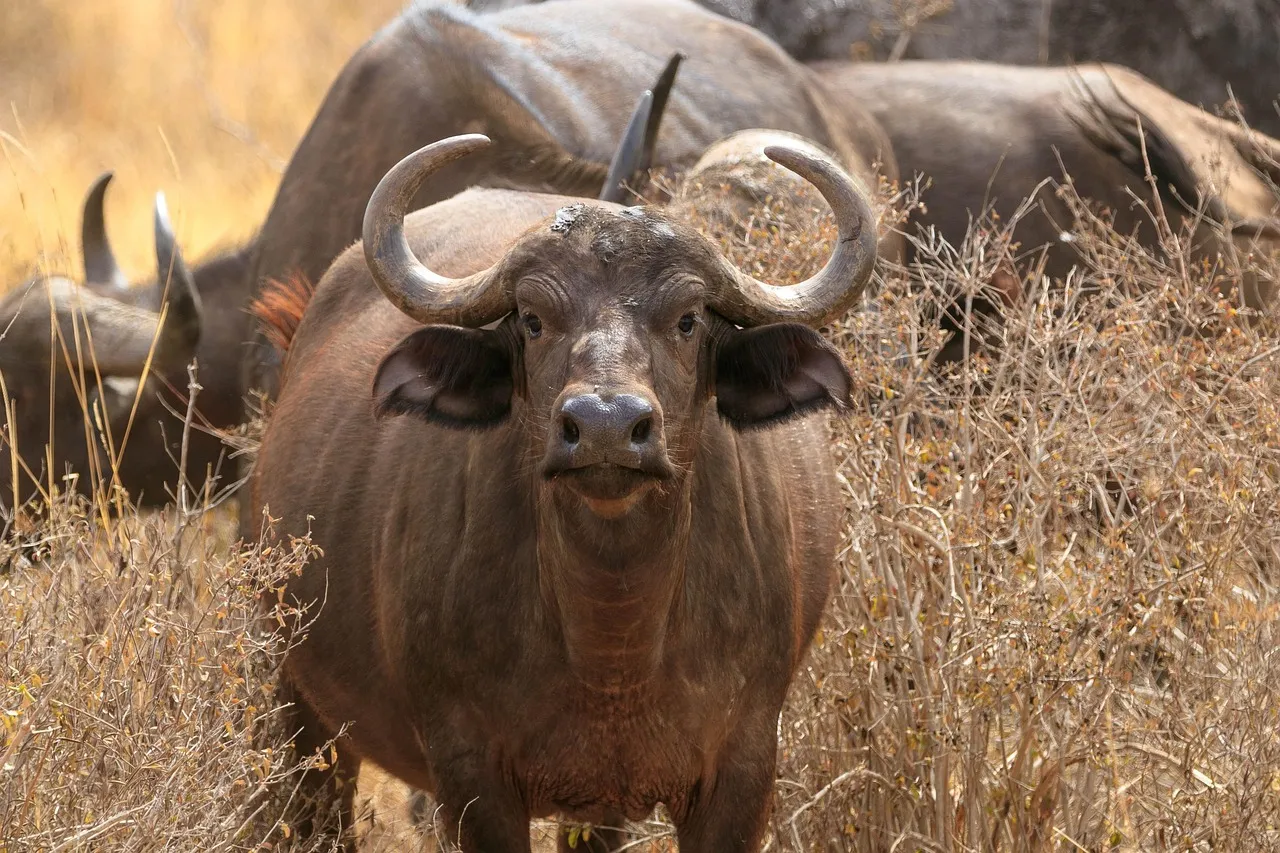
The highlight of every safari is the chance to spot the Big Five: lions, elephants, buffalo, rhinos, and leopards. In Kenya, this is a real possibility, especially in the Masai Mara, Amboseli, or Tsavo. Our guides will help you find even the rarest species, such as cheetahs, servals, or caracals, and explain their behavior and way of life.
The cultural dimension of a safari is just as important. Most programs include a visit to a traditional Maasai or Samburu village, where you’ll see daily life, dancing, singing, and handicrafts. You can try your hand at spear throwing, taste traditional tea with milk and honey, or learn about coming-of-age rituals. These encounters always take place with respect and the mutual consent of the community.
Tips for a Successful Safari in Kenya
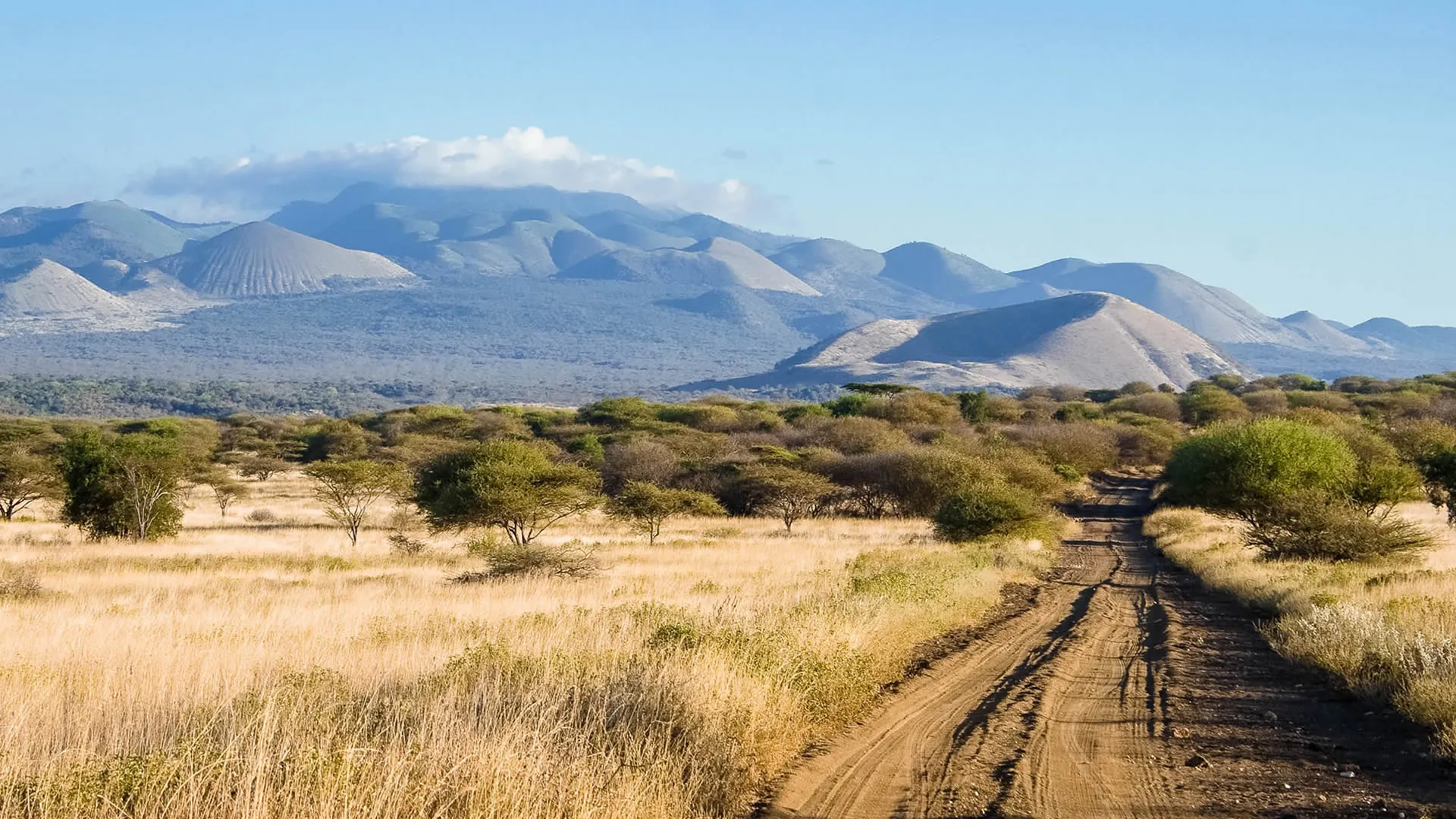
Planning is the key to a successful safari in Africa. Choose the right time. For most travelers, the best time remains July through October, when dry weather makes it easier to spot animals and the Great Migration in the Masai Mara reaches its peak. An alternative is January and February, when there are fewer tourists, clear skies, and the savanna is full of newborn calves. Conversely, avoid April and May. Prolonged rains make travel difficult during this time, some roads are impassable, and insect activity is more intense.
Be prepared for changeable weather. Pack lightweight, quick-drying clothing in neutral colors (khaki, beige, olive) that won’t give you away to the animals. Mornings and evenings tend to be cool, so pack something warmer as well. High-SPF sunscreen, a quality wide-brimmed hat, and sunglasses are absolute must-haves. Don’t forget your camera and binoculars. Binoculars will allow you to observe wildlife from a greater distance.
Here are a few practical tips:
- Book in advance: Popular seasons fill up quickly.
- Follow the rules: Do not leave the vehicle without a guide.
- Be patient: Animals appear randomly.
These tips will ensure a safe and enjoyable experience.
Q&A
How long should a first safari trip last?
Ideally 4–7 days. Three days are enough for the Masai Mara, while 5–7 days allow you to visit 2–3 parks.
When is the best time to see the Great Migration?
The migration takes place every year. From approximately July through October, you have the best chance of an unforgettable experience. However, everything depends on the weather.
Do I need vaccinations?
We recommend vaccinations for hepatitis A and B, typhoid, yellow fever (mandatory upon arrival from high-risk areas), and malaria.
Can I combine a safari with a beach vacation?
Yes, the most common option is a 4- to 5-day safari followed by 5 to 7 days on the coast (Diani, Watamu). Ideal for families.
Why Go on a Safari in Kenya Right Now
A safari in Africa, especially in Kenya, will provide you with memories that will last a lifetime. At Blackie Tours, we’ll arrange an authentic, safe, and professionally guided experience tailored exactly to your preferences—whether you’re looking for an intensive week-long tour of several parks, a short safari combined with relaxation on the coast, or a family trip with children. Our offerings are flexible, while maintaining high-quality service. Our guides know Kenya like the back of their hands.