 Čeština
 Deutsch
 Polski
 Español
 Italiano
 Français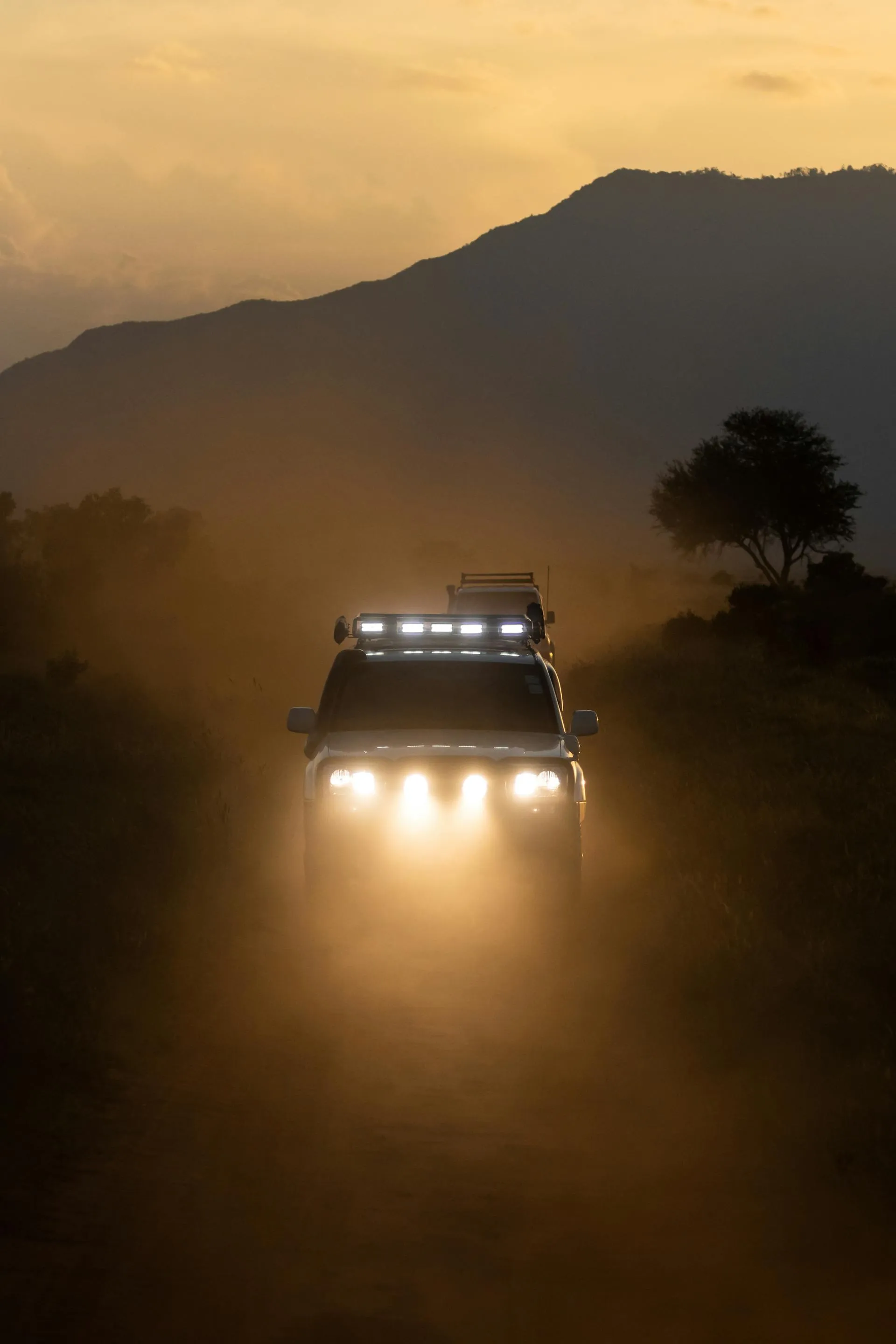
When to Go on Safari in Kenya: A Month-by-Month Guide
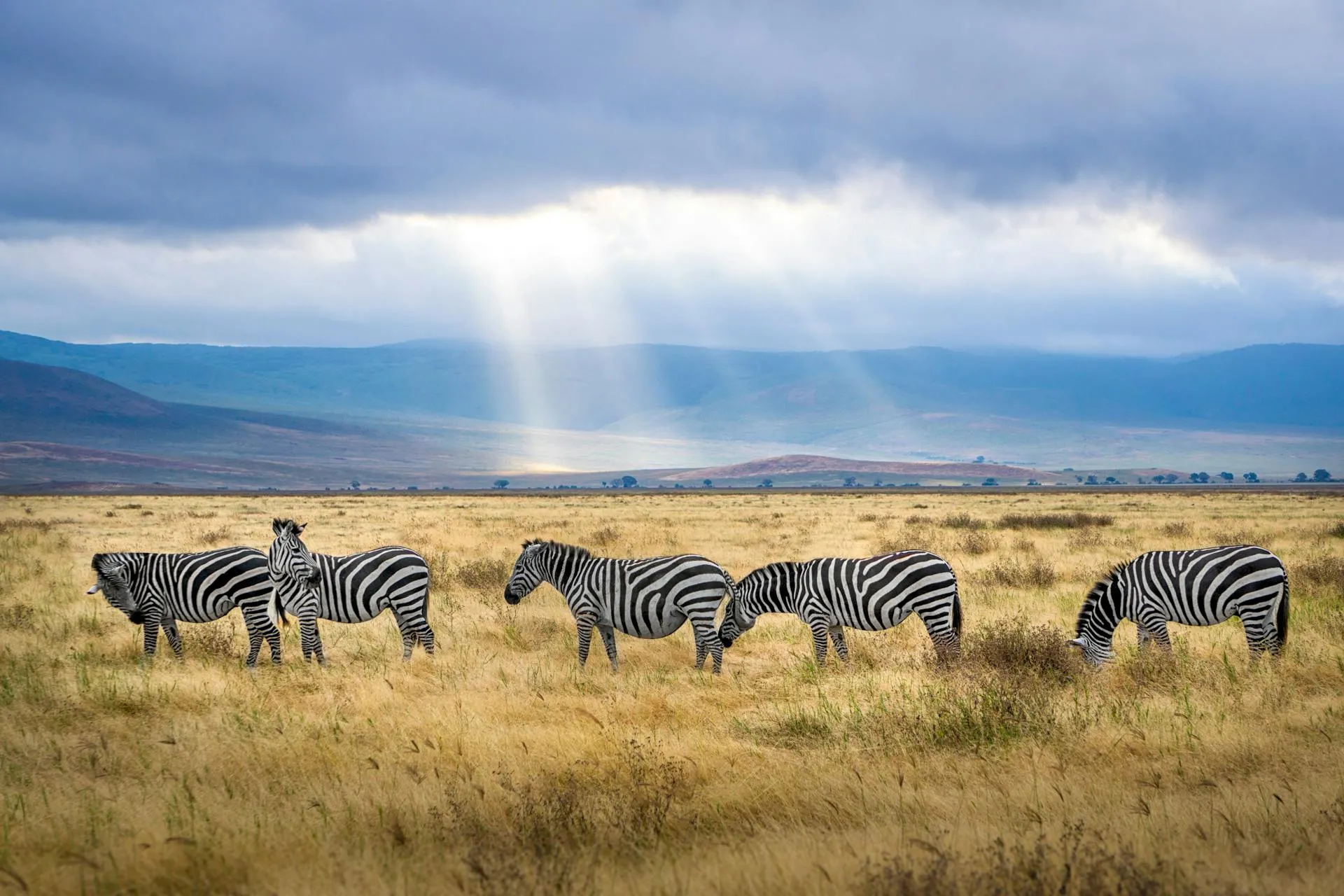
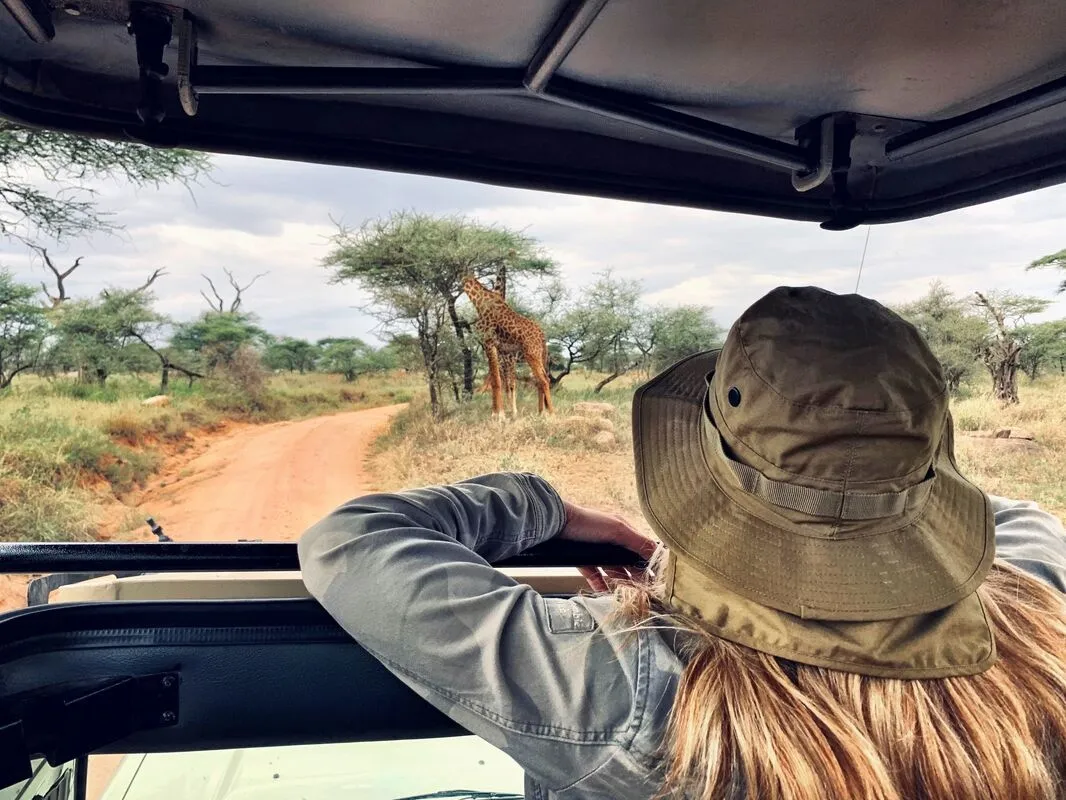
The best time to go on safari in Kenya is during the dry seasons: from late June to October and from January to February. The grass is short, animals gather at rivers and waterholes, and the tracks in the parks are easy to drive. In the Masai Mara, July to October is also the season of the Great Migration.
That said, there is no bad month for Kenya. The rainy seasons bring green landscapes, fewer vehicles at sightings and lower lodge rates, and the coast around Watamu and Malindi stays warm all year. Below you'll find what each season looks like in the parks and on the beach, so you can pick the dates that suit your trip.
Kenya's Seasons at a Glance
Kenya lies on the equator, so there is no real summer or winter. Temperatures depend more on altitude than on the month: Nairobi and the Rift Valley have cool mornings, while Tsavo and the coast are hot all year. What changes through the year is the rain.
- Long dry season (late June–October): sunny, dry and the most popular time for safaris.
- Short rains (November–early December): usually brief afternoon or night showers, rarely whole days of rain.
- Short dry season (January–February): hot, clear and quieter than the peak months.
- Long rains (roughly late March–May): the wettest period, when some park tracks turn muddy.
The dates shift by a few weeks every year, and rain on the savanna often means a heavy downpour followed by sunshine. Our guides follow the conditions day by day and adjust the route when needed.
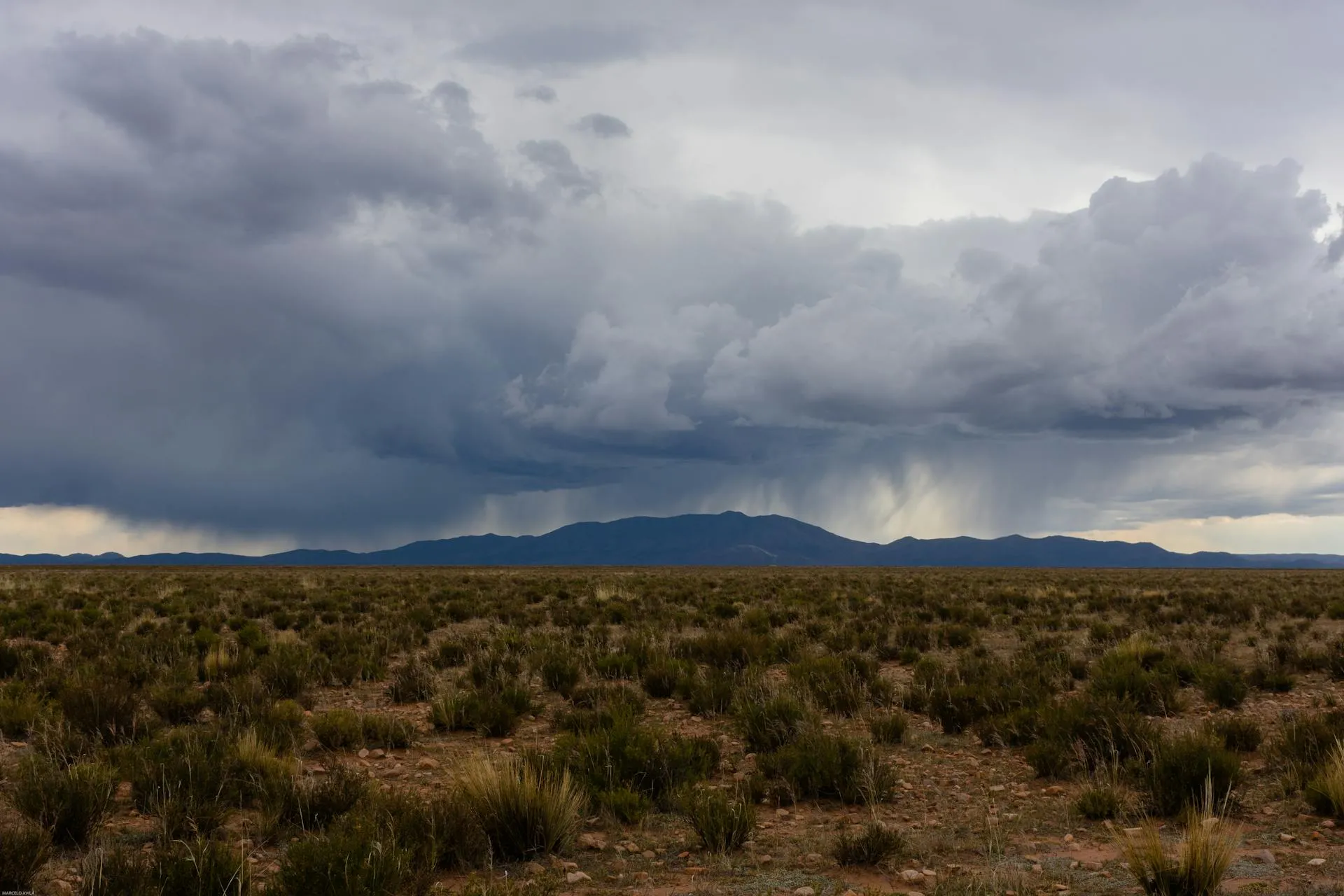
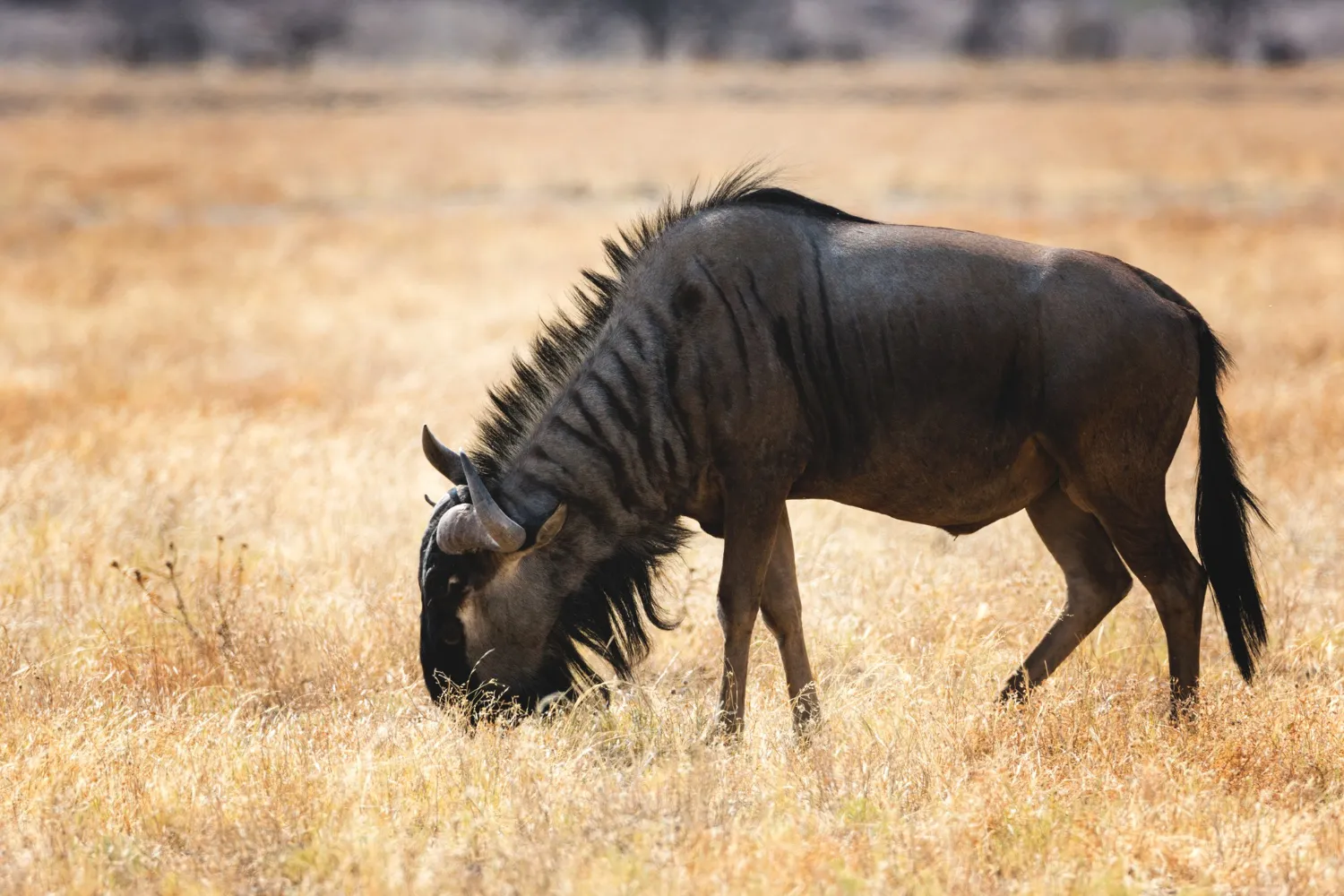
Kenya Weather Month by Month
The table sums up typical conditions. Treat it as a guide: the weather in East Africa can vary noticeably from one year to the next.
| Month | Tsavo and Amboseli | Masai Mara | Coast (Watamu, Malindi) |
|---|---|---|---|
| January | Dry and hot, very good sightings | Good, fewer visitors | Hot, calm and clear sea |
| February | Dry and hot, very good sightings | Good, fewer visitors | Hot, calm and clear sea |
| March | Hot and humid, rains may start late in the month | Good until the rains start | Hot and humid |
| April | Long rains, green landscape, some muddy tracks | Rainy, very quiet | Rainy |
| May | Long rains, the quietest month | Rainy, very quiet | Usually the wettest month |
| June | Drying out, good value | Drying out, quiet | Rains easing, windier |
| July | Dry and cooler, excellent | Herds usually arrive | Pleasant, windier sea |
| August | Dry, excellent | Migration peak, river crossings | Pleasant, windier sea |
| September | Dry, excellent | Migration peak, river crossings | Pleasant, sea calming down |
| October | Dry and hot, very good | Herds start to leave | Warm, calmer sea |
| November | Short rains, mostly brief showers | Short rains | Short showers |
| December | Green and warm, busy holidays | Good | Hot, busy holidays |
If you're staying on the coast, a safari to Tsavo works in any month. During the long rains we choose routes and lodges with better road access.
January and February: Hot, Clear and Quieter
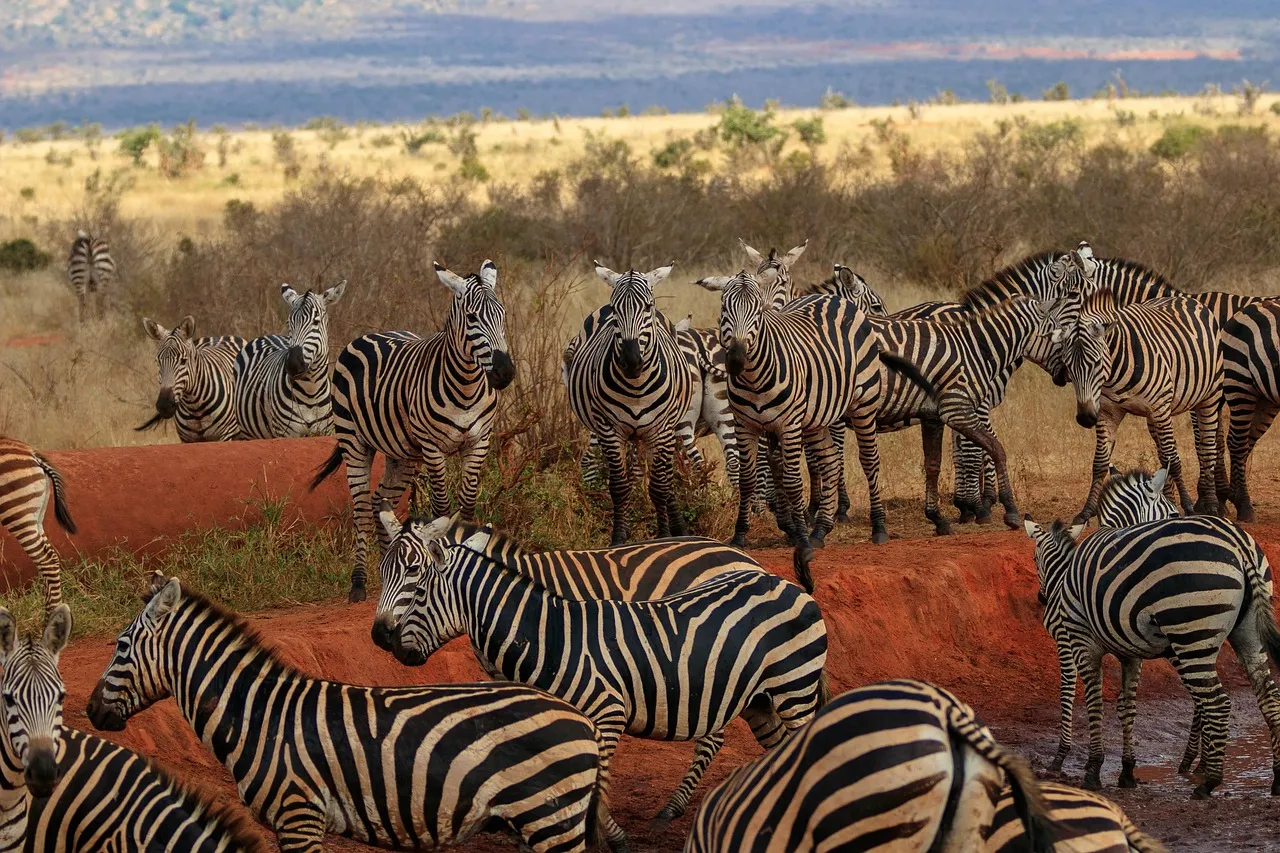
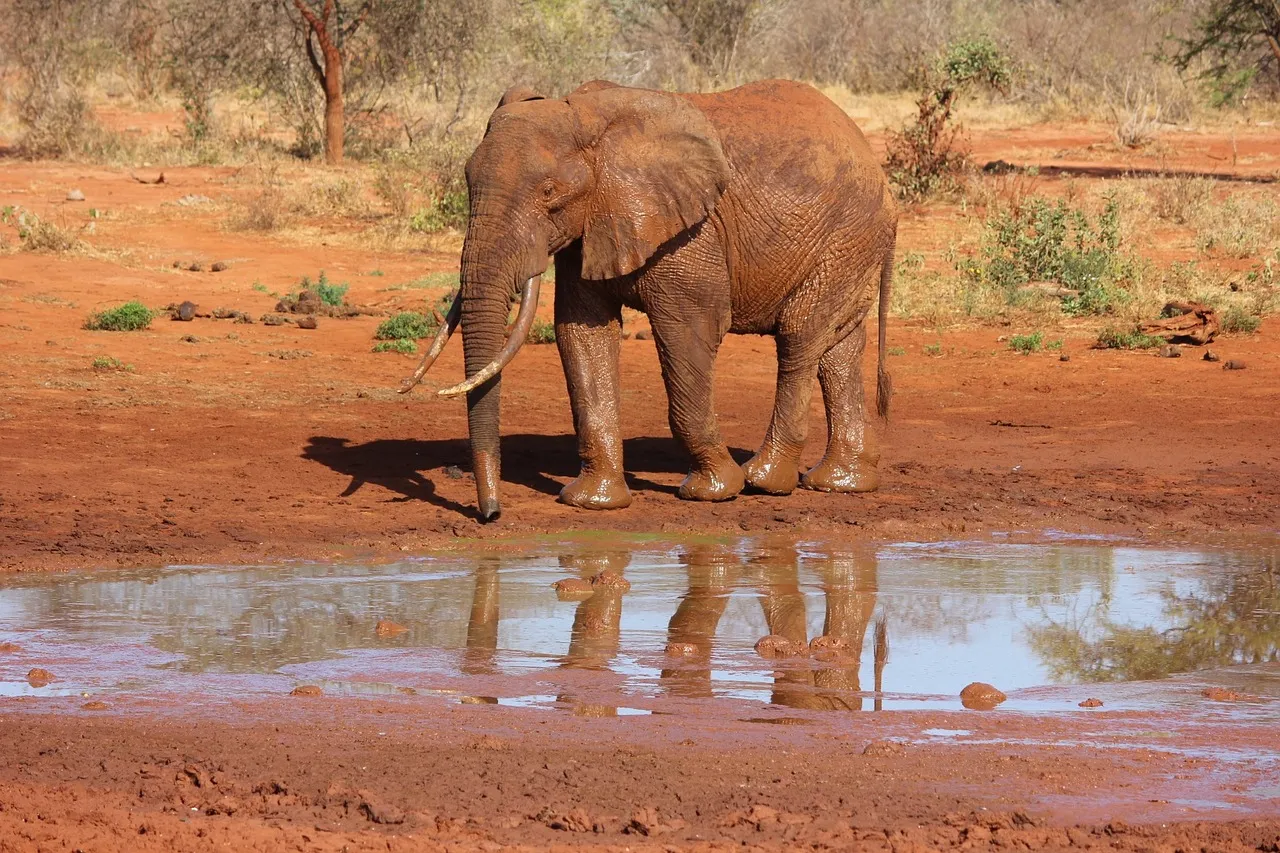
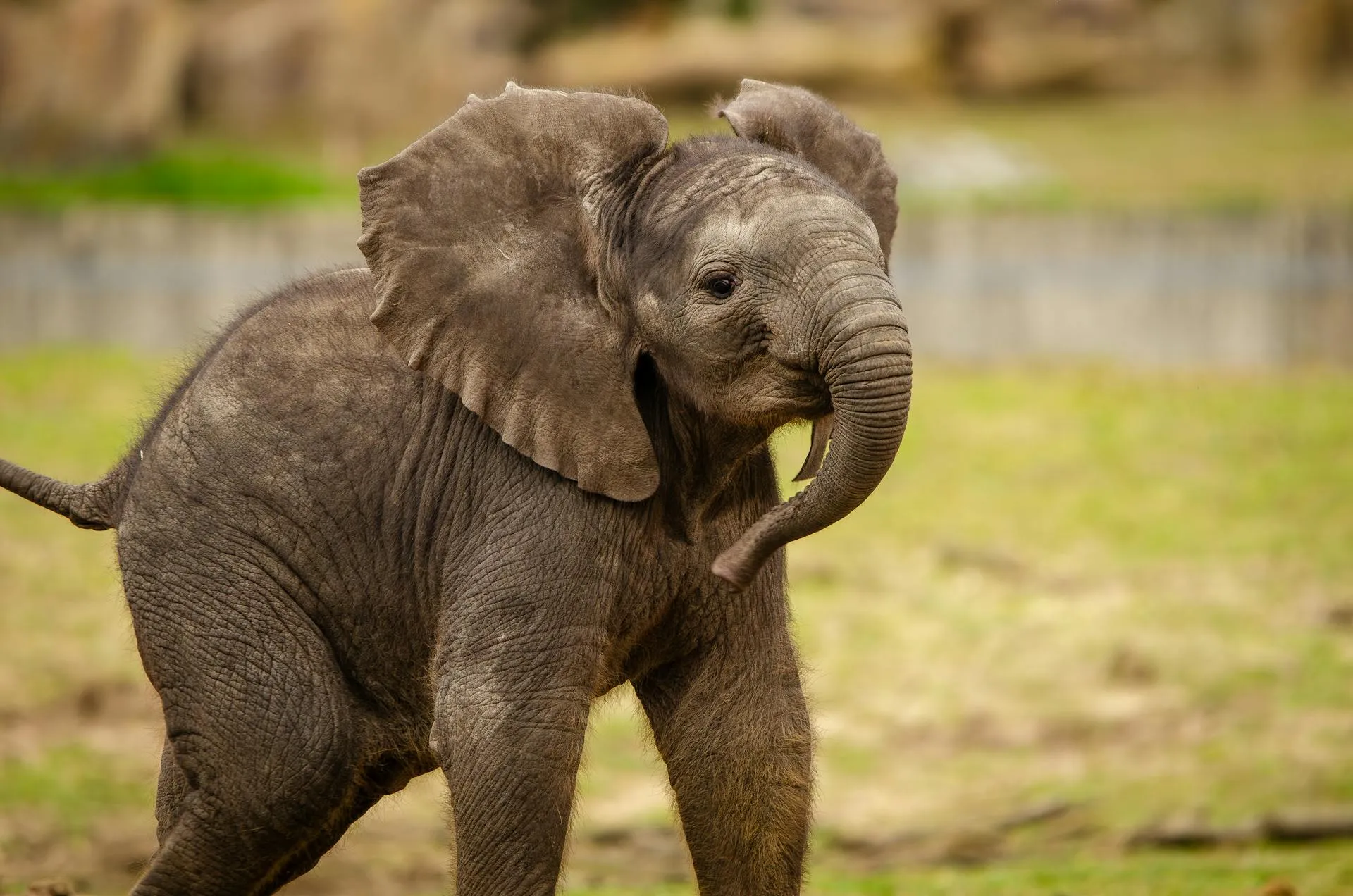
The short dry season between the two rainy periods is our tip for travellers who don't like crowds. After the November showers the savanna is still fresh and many animals have young, so you'll often see baby elephants, zebra foals and young antelopes.
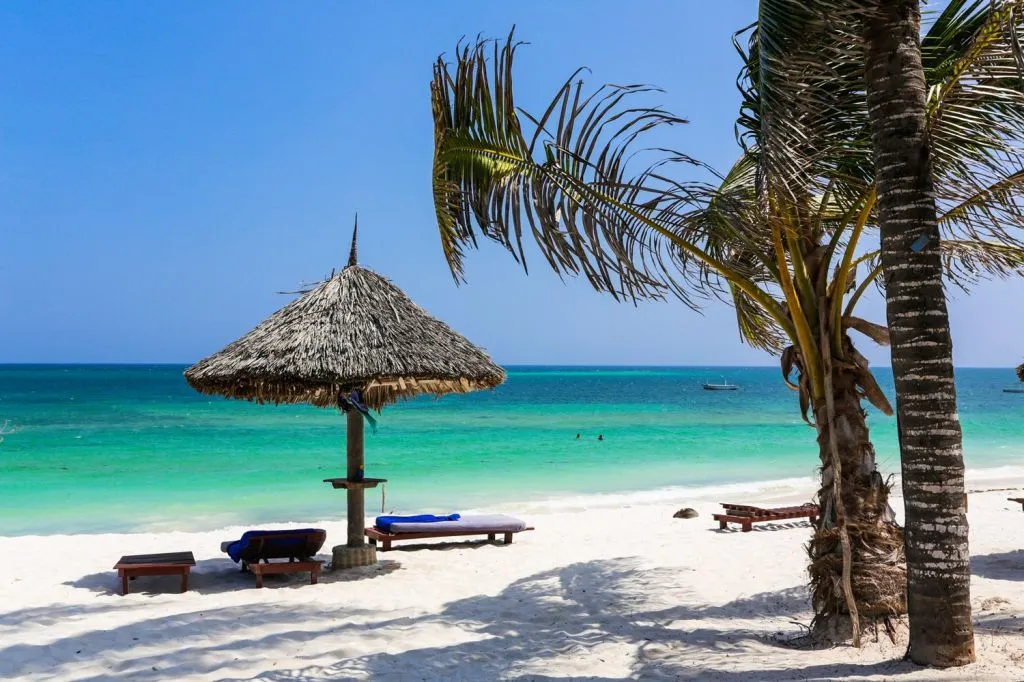
It's the hottest part of the year, and afternoons in Tsavo are often above 30°C. Game drives therefore focus on the early morning and late afternoon, and the midday heat is best spent at the lodge. On the coast this is the season of calm, clear water, ideal for snorkelling – and a welcome escape from the European winter.
Combining a Safari with a Beach Holiday
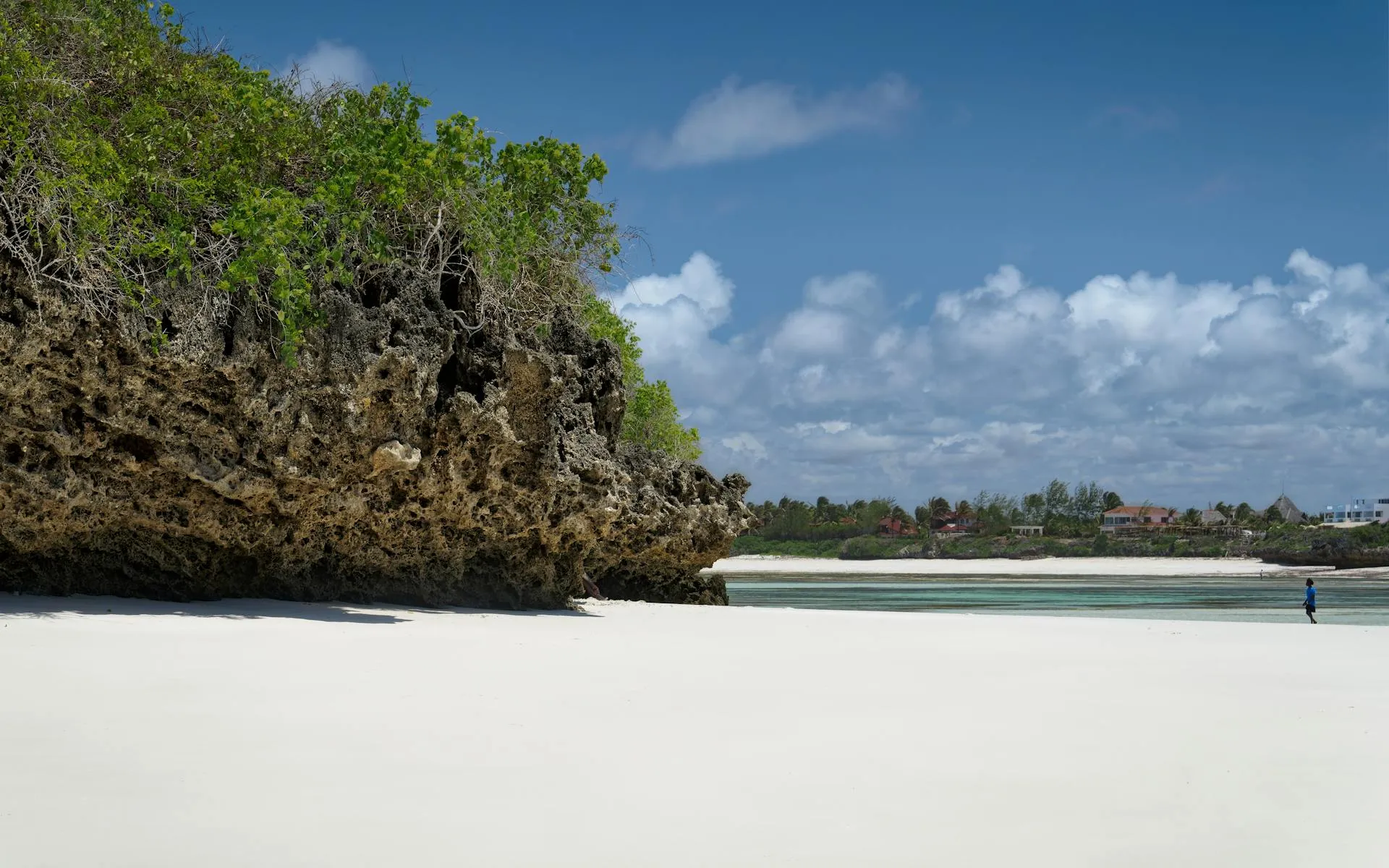
Most of our guests combine a few days on safari with a holiday on the Indian Ocean. The coast has its own rhythm, shaped by the monsoon winds:
- December to March: hot, humid and with a calm, clear sea. The best time for snorkelling and the Blue Safari boat trip.
- April to June: the rainiest period on the coast, with May usually the wettest month. Some hotels close for a few weeks.
- July to October: slightly cooler and pleasant for excursions, with stronger winds and a choppier sea. It matches the peak safari season.
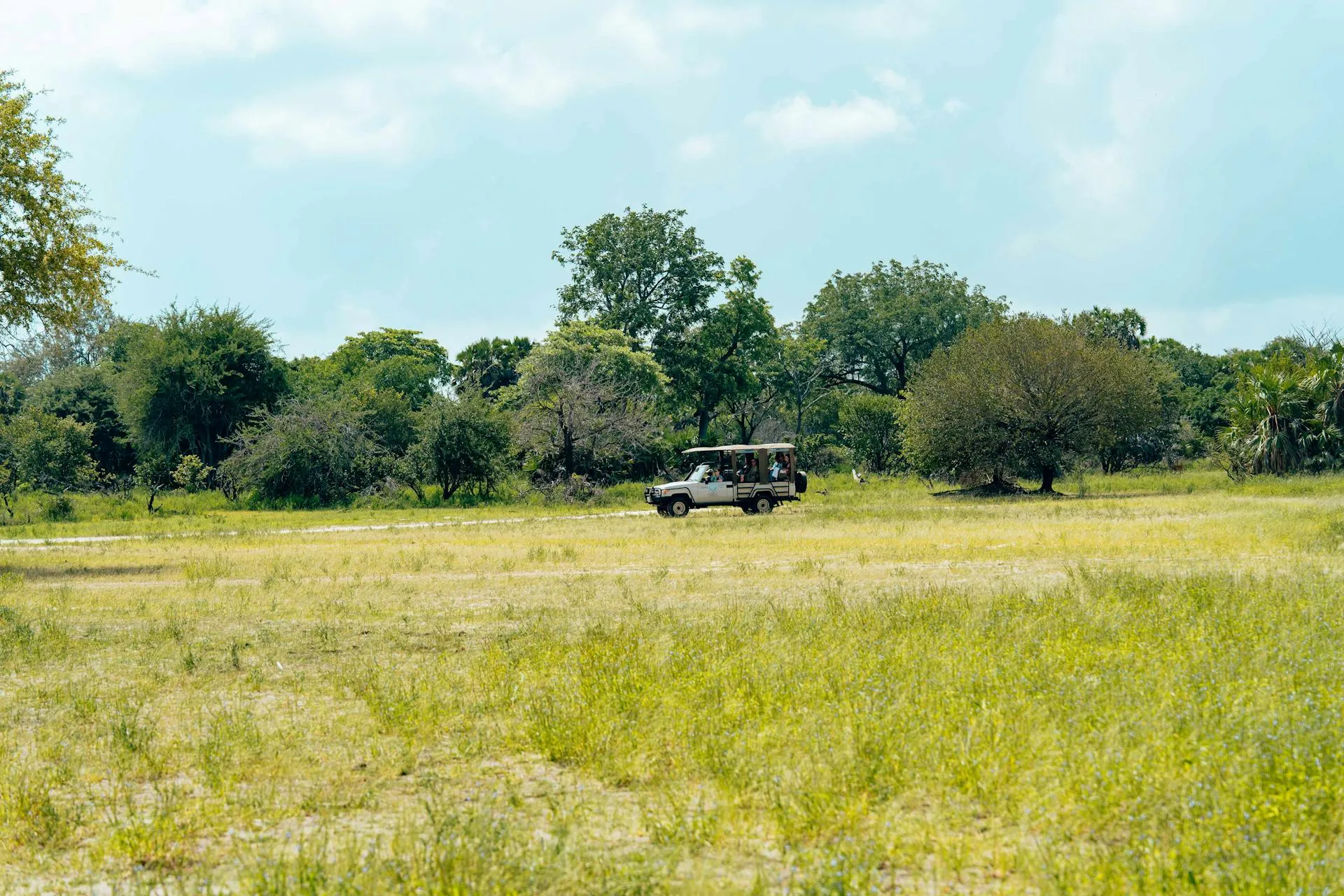
If you're tied to UK school holidays, July and August bring the best safari conditions, while the Easter break usually falls in the long rains. From Watamu, Malindi or Mombasa you can go on a safari from the coast for one or more days in any season. All the parks are described on our Kenya Safari page.
Frequently Asked Questions
What is the best month for a safari in Kenya?
For most travellers it's August or September: the weather is dry, animals are easy to spot and the Great Migration is usually in the Masai Mara. For fewer crowds and still very good sightings, choose January or February.
When is the Great Migration in Kenya?
The herds usually reach the Masai Mara in July and stay until about October. River crossings are most frequent in August and September, but the timing changes every year with the rains.
Is it worth going on safari in the rainy season?
Yes, if your plans are flexible. It rarely rains all day, the landscape is green and the parks are quiet. Expect some muddy tracks, taller grass and a few closed camps in April and May.
Can you go on safari in Kenya over Christmas?
Yes. The short rains usually ease off in December, and the savanna is green and full of young animals. It's a busy holiday period, so book your safari and flights early.
Choosing Your Safari Dates?
Tell us when you're travelling and where you're staying. We'll suggest the parks and trip length that make the most sense for that time of year, from a day trip to Tsavo East to several days in different parks.