 Čeština
 Deutsch
 Polski
 Español
 Italiano
 Français
Safari from Mombasa, Malindi and Watamu: Which Trip to Choose
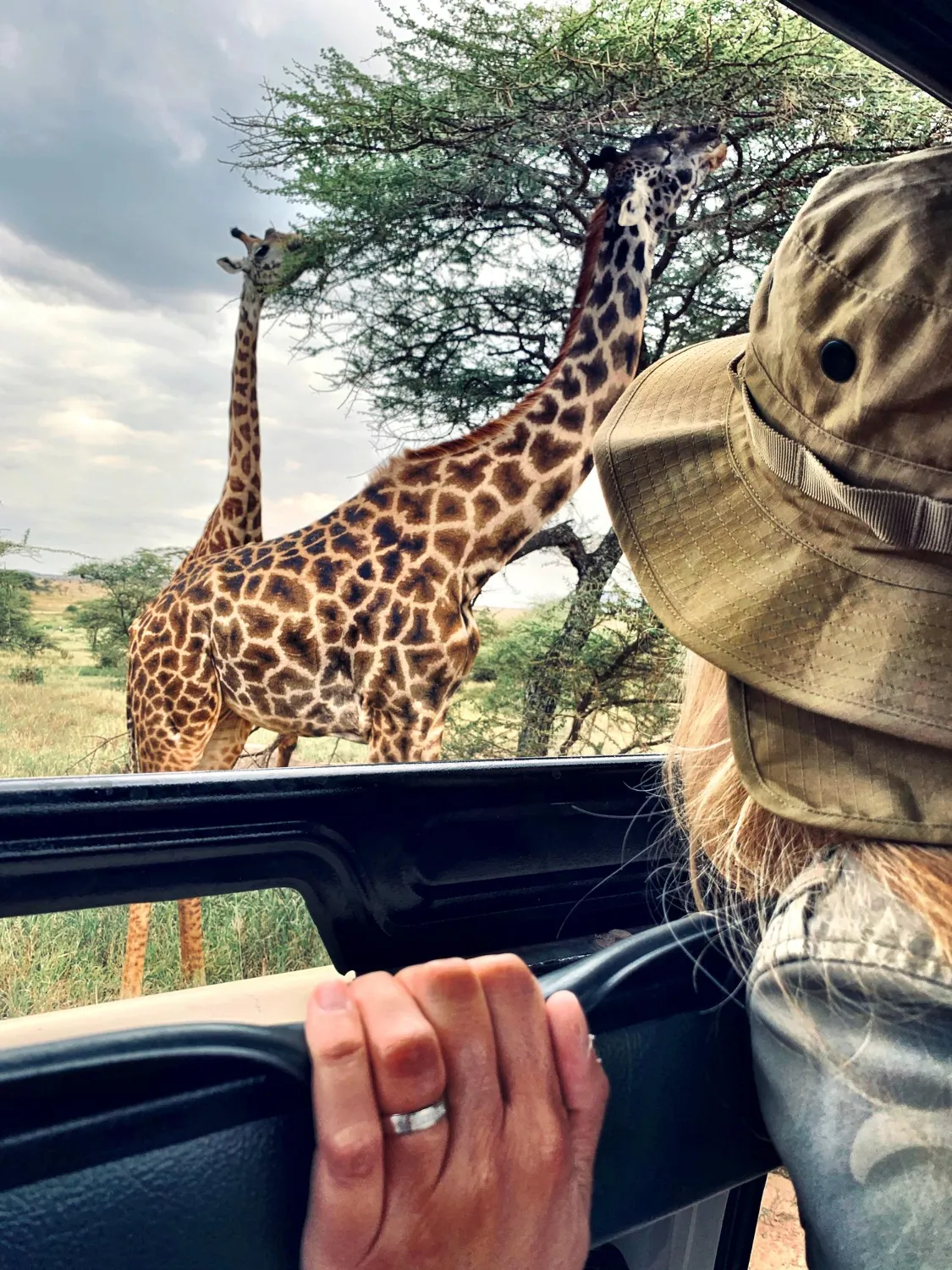
From Mombasa, Malindi or Watamu you can go on safari without flying: the nearest park, Tsavo East, is roughly a three-hour drive away. A one-day trip gives you a first taste of the savanna, two days with a night in a lodge are the best balance of time and experience, and three or more days take you on to Tsavo West and Amboseli at the foot of Kilimanjaro.
Most of our guests stay on the coast, so this is the question we hear most often: which trip suits your time and budget? Here is how a safari from the coast works, what it includes and what to bring.
Which National Parks Can You Reach from the Coast?
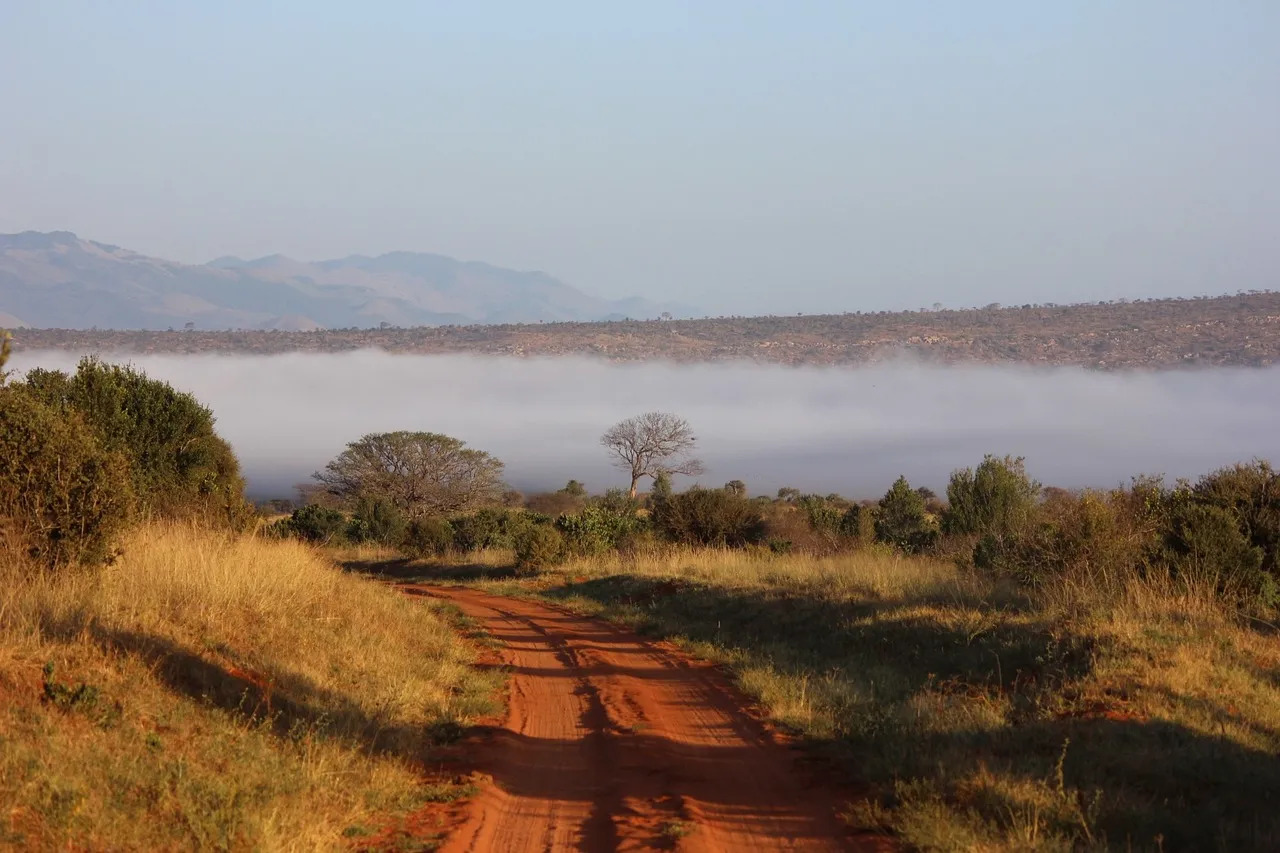
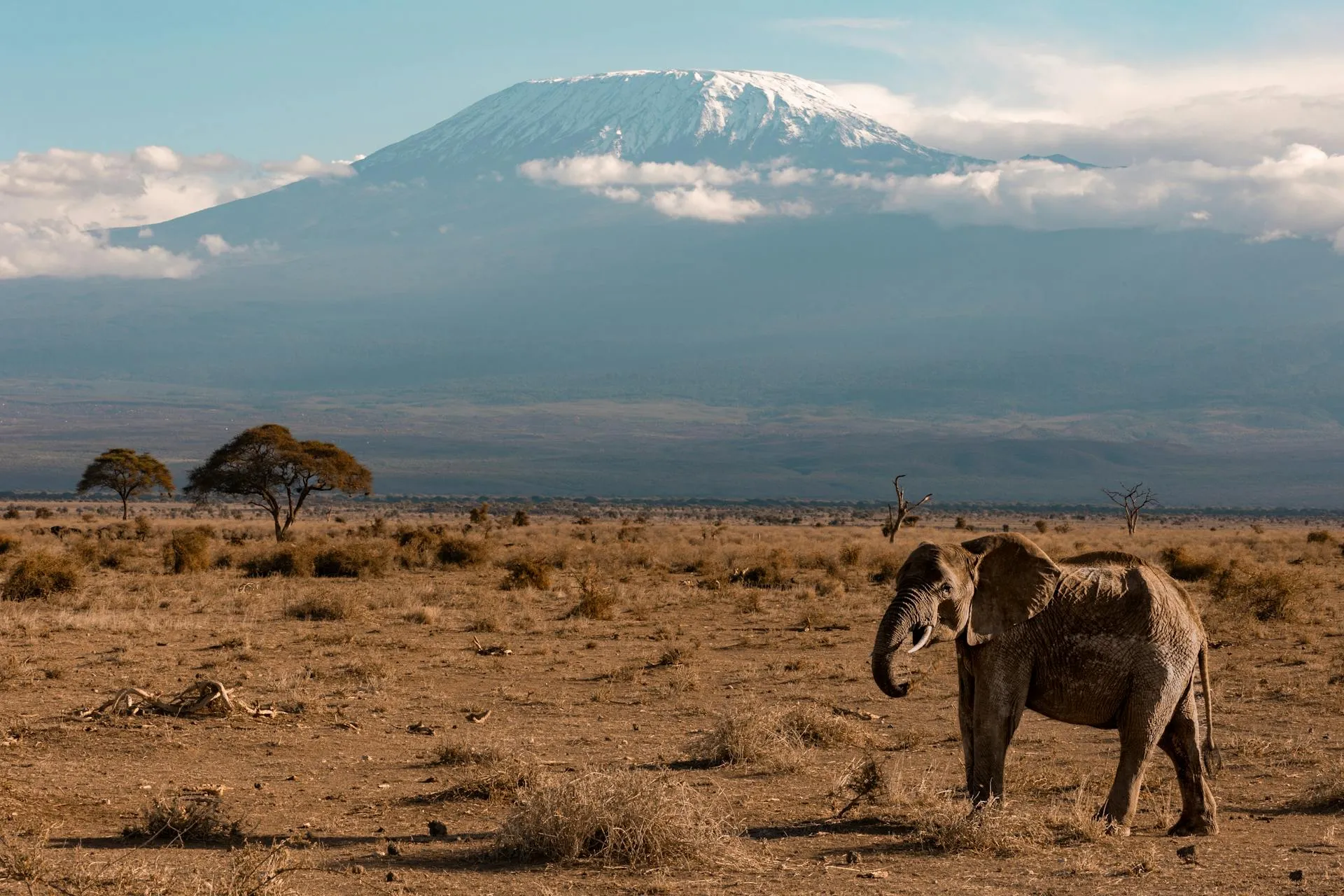
Southeastern Kenya is home to one of the largest protected areas in Africa. Tsavo East and Tsavo West together cover more than 20,000 km², and both are within reach of the coast. They differ more than their names suggest:
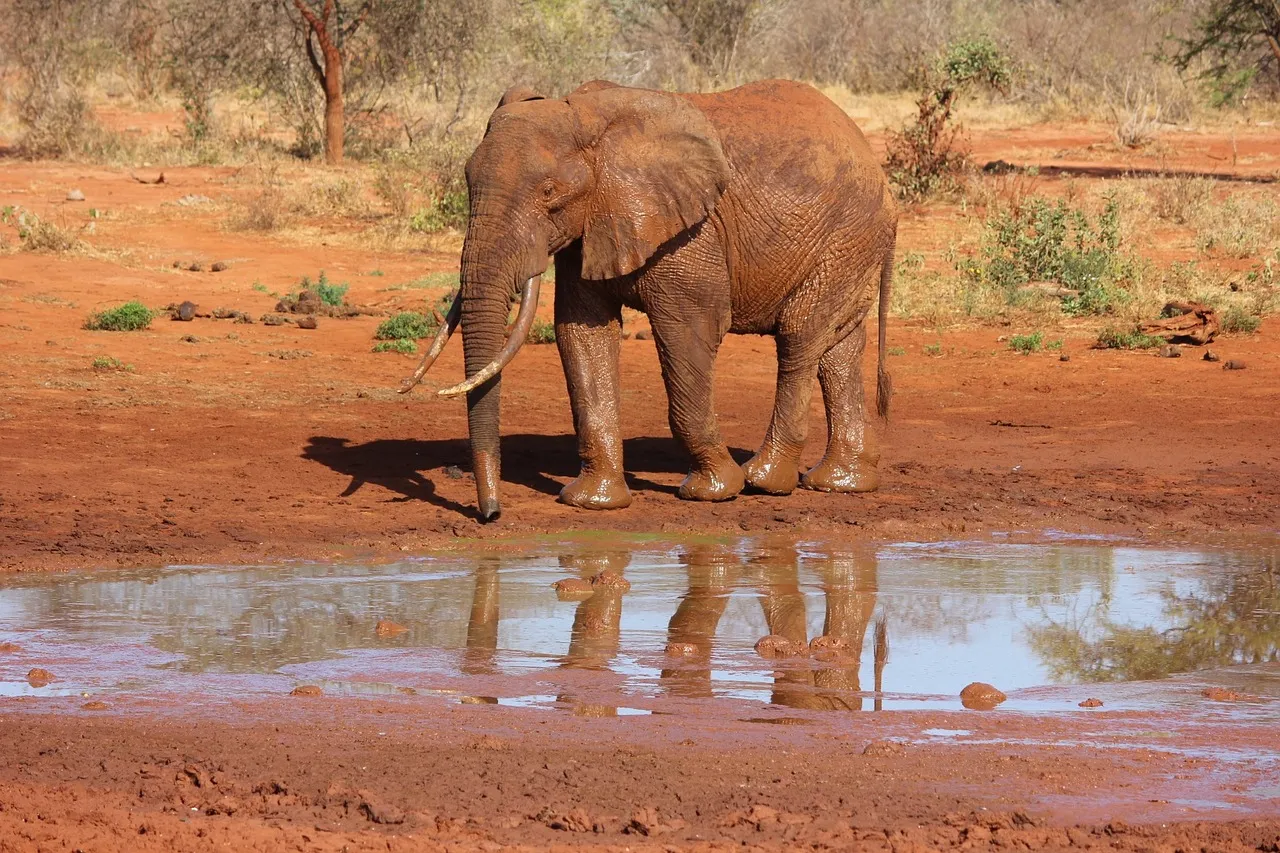
- Tsavo East – the closest park: open savanna with red earth, large elephant herds, lions and the Galana River. Ideal for one or two days.
- Tsavo West – hillier and greener, with volcanic landscapes, Mzima Springs and a rhino sanctuary. Usually combined with Tsavo East.
- Amboseli – famous for elephants in front of Kilimanjaro. It lies further west, so plan at least three days.
- Lake Nakuru and Lake Naivasha – the Rift Valley lakes are too far for a road trip from the coast. We include them in longer tours with a train ride or flight to Nairobi.
The drive itself is part of the experience: you'll pass villages, baobabs and roadside markets, and your guide will tell you about life in the region along the way.
Two-Day Safari: A Night in the Savanna
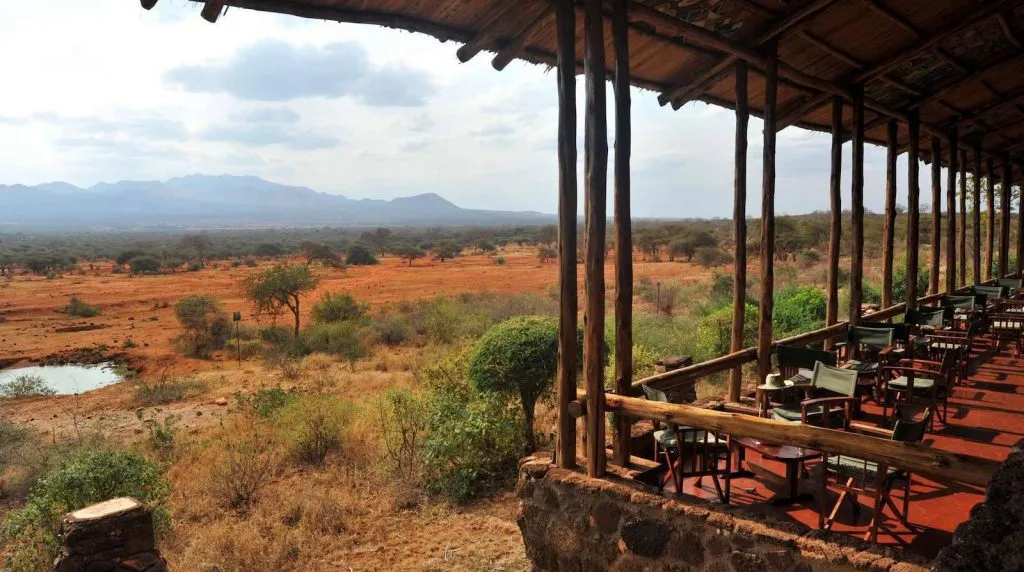
If you can spare two days, we recommend it. You reach the park before noon, go on an afternoon game drive and watch the sunset from a lodge or tented camp in the park. The next morning you set out at first light, the best time for predators, and return to the coast in the afternoon.
The night in the bush is often what guests remember most: dinner under the stars, the sounds of animals around the camp and elephants coming to drink at a nearby waterhole. Two days also let you explore Tsavo East at a calmer pace or see part of Tsavo West.
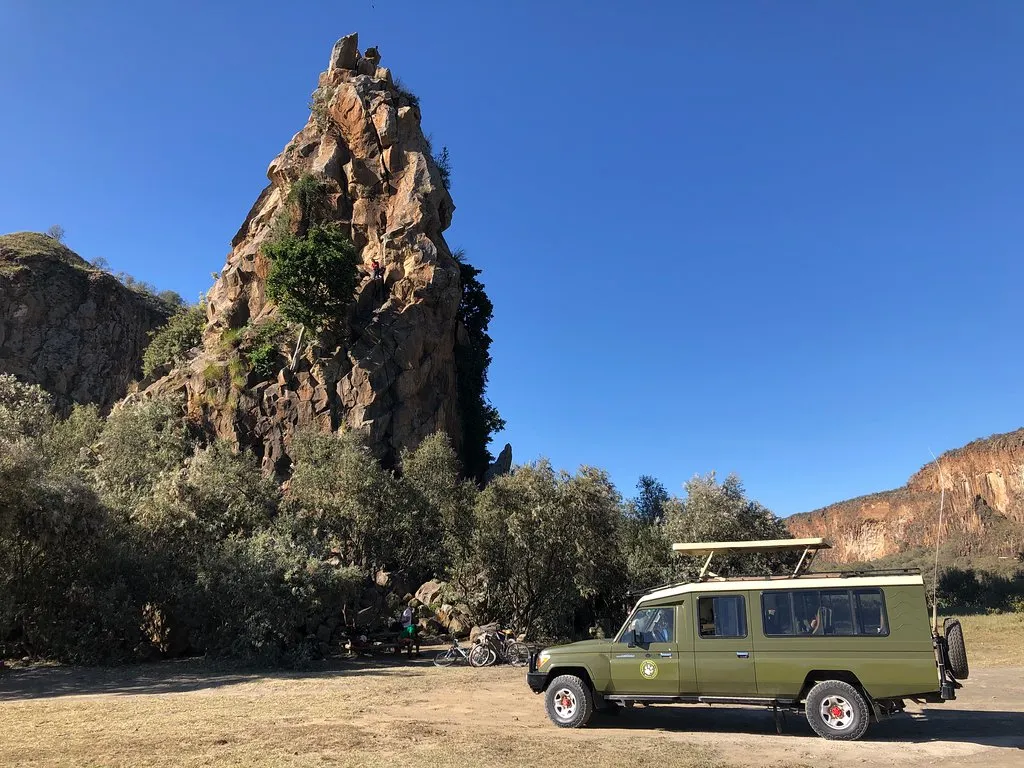
Our Tsavo East safari with an overnight stay includes transfers and game drives in a jeep with a pop-up roof, a professional driver and a certified English- and Italian-speaking guide, insurance, park entrance fees, a night in a lodge or tented camp with buffet meals, drinking water and binoculars if you don't have your own.
What to Bring on a Safari from the Coast
You don't need special gear, but a few things make the day much more comfortable:
- Passport: take it with you, as it may be checked at the park gate.
- Layers: early mornings in an open vehicle can be surprisingly cool, while middays are hot. A light fleece or jacket helps.
- Sun protection: a hat, sunglasses and high-SPF sunscreen, because the roof is open most of the time.
- Neutral colours: khaki, beige or olive. Avoid white, which shows the red dust, and dark blue or black, which attract tsetse flies.
- Camera and power bank: a zoom lens helps a lot, and a power bank keeps your phone charged all day.
- Cash in small notes: for drinks, souvenirs and a tip for your guide.
If you get travel sick on bumpy roads, take a tablet before setting off. Planning your dates? Our guide to the best time to visit Kenya covers every month.
Frequently Asked Questions
How far is Tsavo East from Watamu or Mombasa?
Roughly a three-hour drive to the park gate, depending on where your hotel is and on the road conditions. From Watamu and Malindi we use Sala Gate, from Mombasa and Diani the gates near Voi.
Is a one-day safari worth it?
Yes, if you only have one day. You'll see typical savanna wildlife such as elephants, giraffes and zebras, but you'll spend around six hours in the car. If you can, choose two days with a night in a lodge.
Can children come on safari?
Yes, families are welcome. For younger children we recommend the two-day version, with a break at the lodge during the hottest hours. Tell us the children's ages when booking so we can plan the route and seating.
What should I check when booking a safari on the beach?
Ask exactly what the price includes, especially the park entrance fees, which are a significant part of the cost, and whether the vehicle has a pop-up roof. Book with an operator who gives you clear written information and a contact person.
Planning Your First Safari?
Tell us where you're staying, how many days you have and who's travelling with you. Blackie and our team will recommend the right trip and send you a clear offer with everything that's included.