
 Čeština
 Deutsch
 Polski
 Español
 Italiano
 Français
Tsavo East or Tsavo West: Which Park Should You Choose?
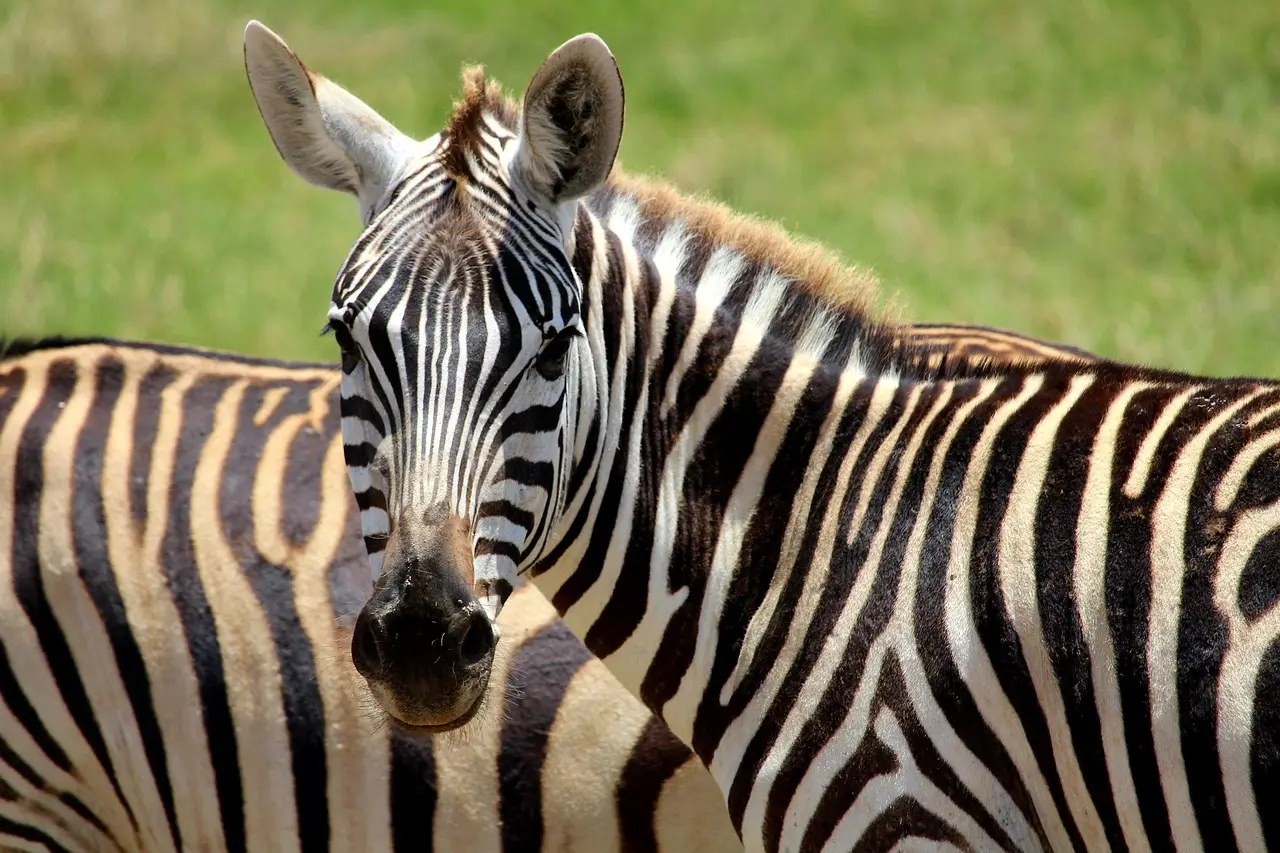
For a short safari from the coast, Tsavo East is the better choice: it is closer, its open plains make animals easy to spot and one or two days are enough. Tsavo West offers more varied scenery – volcanic hills, lava fields, Mzima Springs and a rhino sanctuary – but needs at least two days. With three days or more you don't have to choose at all: the two parks lie next to each other and combine well in one trip.
Together they form Tsavo, one of the largest protected areas in Kenya, yet they feel like two different countries. Below we compare the landscape, the animals, the distance from the coast and the kind of traveller each park suits.
One Wilderness, Two Parks: How Tsavo Is Divided
Tsavo was declared a national park in 1948 and, because of its size, was soon split into two separately managed parks. The dividing line is the Nairobi–Mombasa highway and the railway that runs beside it: Tsavo East lies to the north-east of it, Tsavo West to the south-west, reaching down to the Tanzanian border. Tsavo East covers more than 13,000 km² and Tsavo West around 9,000 km² – together they are larger than Wales.
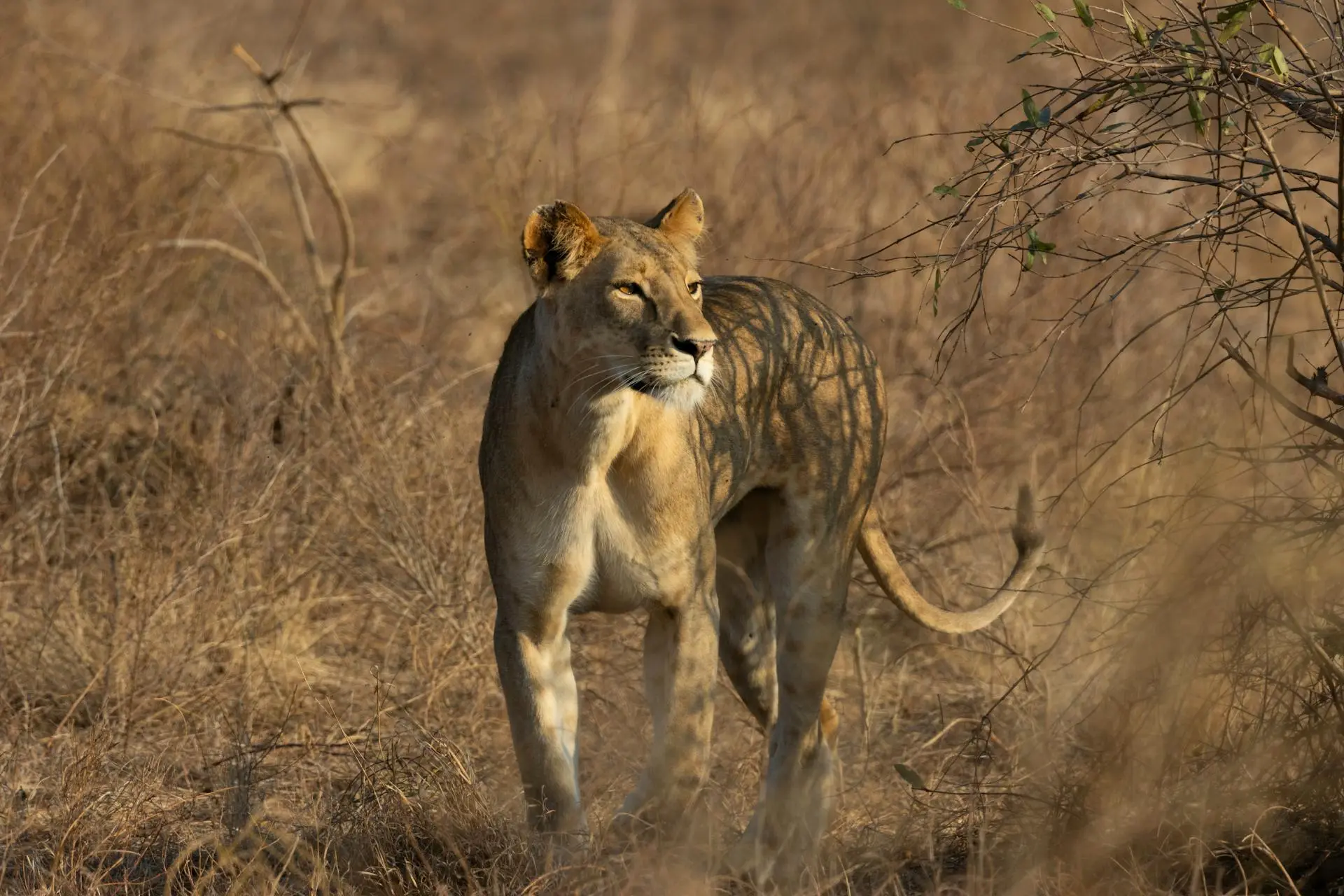
The railway is also where Tsavo's most famous story took place. In 1898, two lions attacked workers building the bridge over the Tsavo River and brought construction to a halt for months, until they were shot by the engineer John Henry Patterson. The "man-eaters of Tsavo" are now on display in the Field Museum in Chicago, and the story lives on in books and films.
For visitors, the split has one practical consequence: each park has its own gates and its own entrance fee. The gates of the two parks lie only a short drive apart along the highway, so crossing from one to the other is easy.
Tsavo West: Springs, Lava and Hills
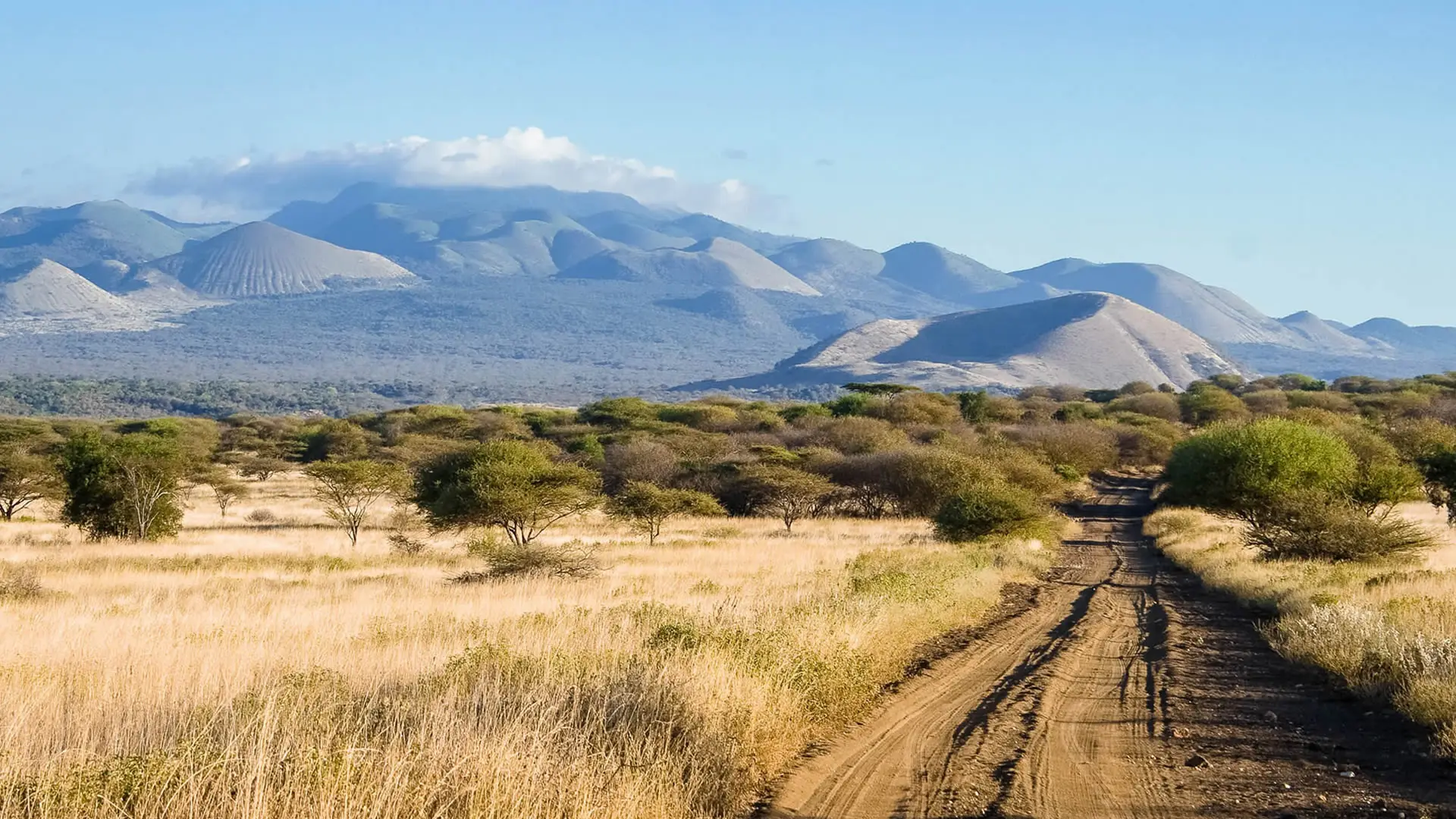
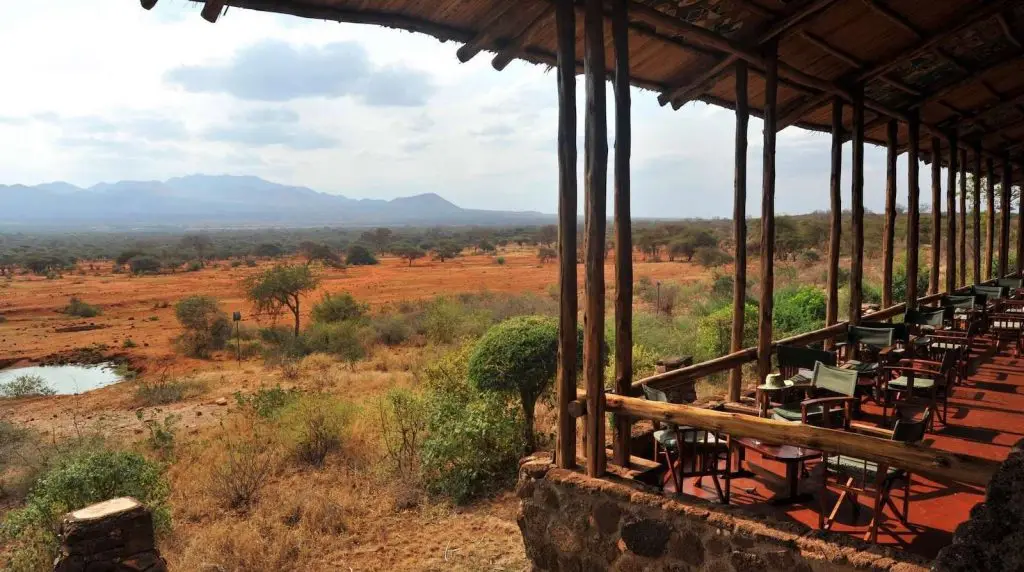
Tsavo West looks completely different. The land rises into volcanic hills and cones, the bush is denser and greener, and on clear days Kilimanjaro appears on the horizon. The scenery changes every few kilometres, which makes the park a favourite of photographers and of travellers who have already seen a "classic" savanna.
- Mzima Springs – crystal-clear water that travels underground from the Chyulu Hills and surfaces in pools full of hippos, crocodiles and fish. A short trail leads to an underwater viewing chamber.
- Shetani lava flow – a black field of solidified lava. Shetani means "devil" in Swahili: according to local stories, the people who witnessed the eruption believed the devil himself was rising from the ground.
- Ngulia Rhino Sanctuary – a fenced and guarded area that protects black rhinos. They are shy and live in thick bush, so a sighting takes luck.
- Viewpoints – Roaring Rocks and Poacher's Lookout give wide views over the plains, and the Chaimu crater can be climbed on foot.
The price of this variety is that animals are harder to spot in the thicker vegetation. Tsavo West rewards patience and a slower pace rather than a quick visit.
Tsavo East vs Tsavo West: Side-by-Side Comparison
The table sums up the main differences between the two parks.
| Criterion | Tsavo East | Tsavo West |
|---|---|---|
| Landscape | Flat, open plains with red earth and baobabs | Volcanic hills, lava fields, springs and denser bush |
| Wildlife viewing | Easier – animals are visible from afar | Harder – more cover, more patience needed |
| Best known for | Red elephants, Galana River, Mudanda Rock, Aruba Dam | Mzima Springs, Shetani lava flow, Ngulia Rhino Sanctuary, views of Kilimanjaro |
| Rhinos | Practically none | Black rhinos in the sanctuary, rarely seen |
| From the coast | The closest park, roughly a three-hour drive | Further inland, not suitable for a day trip |
| Recommended time | 1–2 days | 2 days or more, ideally combined with Tsavo East |
| Best for | A first safari, families, a short break from the beach | Photographers, returning visitors, lovers of landscape |
Both parks are quieter than Kenya's most famous reserves. It often happens that you share a sighting with only a few other vehicles, or with none at all.
Wildlife: What You'll See in Each Park
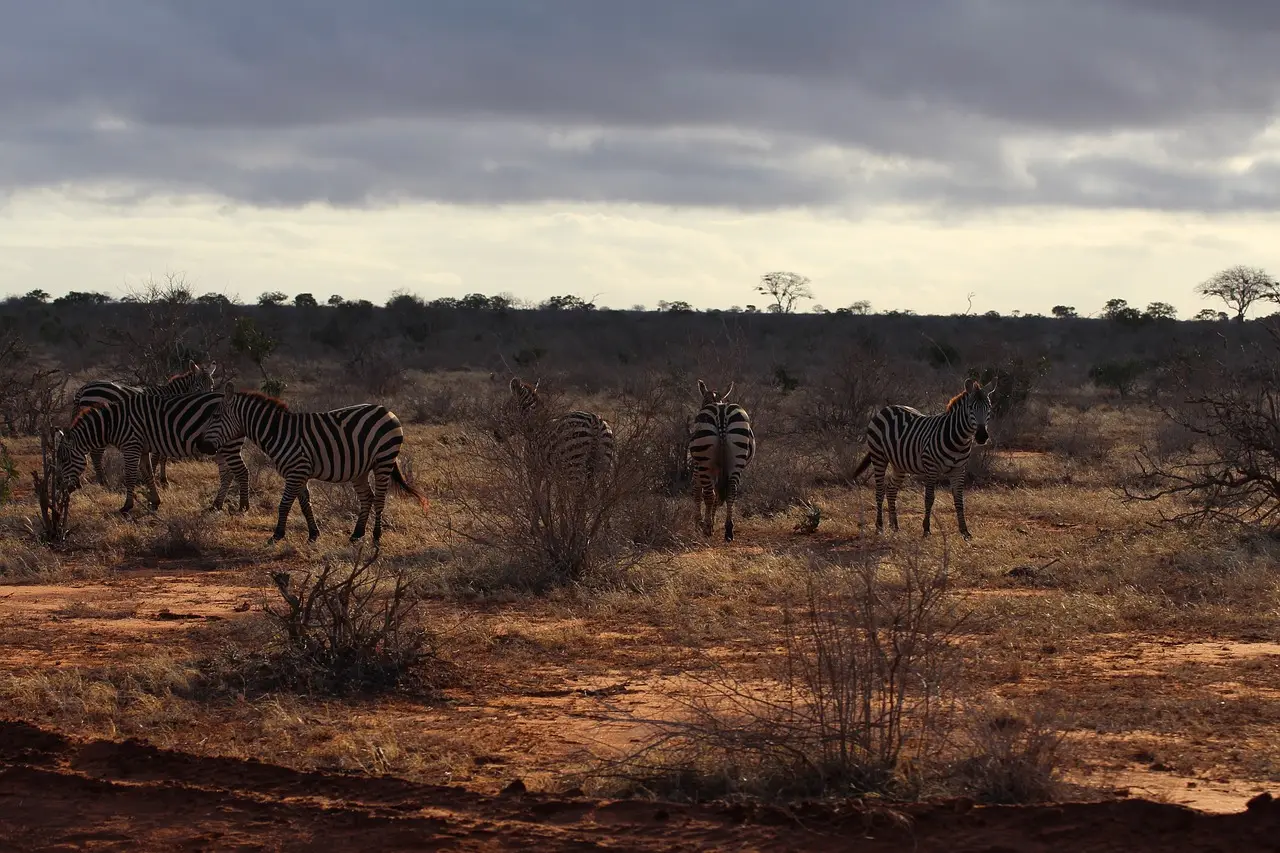
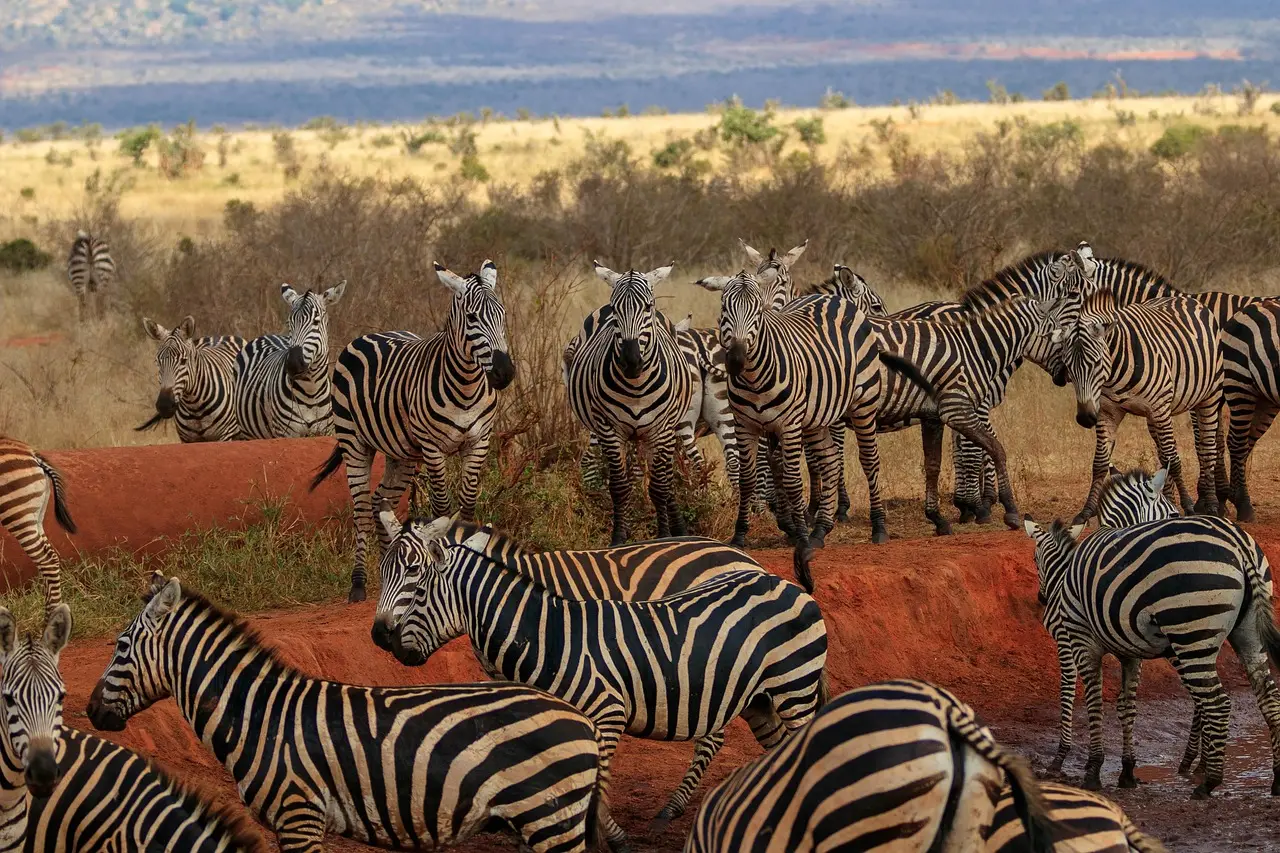
The list of species is similar in both parks; what differs is how easily you see them. Elephants, buffalo, giraffes, zebras, impalas and waterbuck are common on both sides of the highway, and both parks are home to lions, leopards, cheetahs and hyenas. Dry-country specialists live here too: the gerenuk, which stands on its hind legs to reach higher branches, the lesser kudu and the fringe-eared oryx.
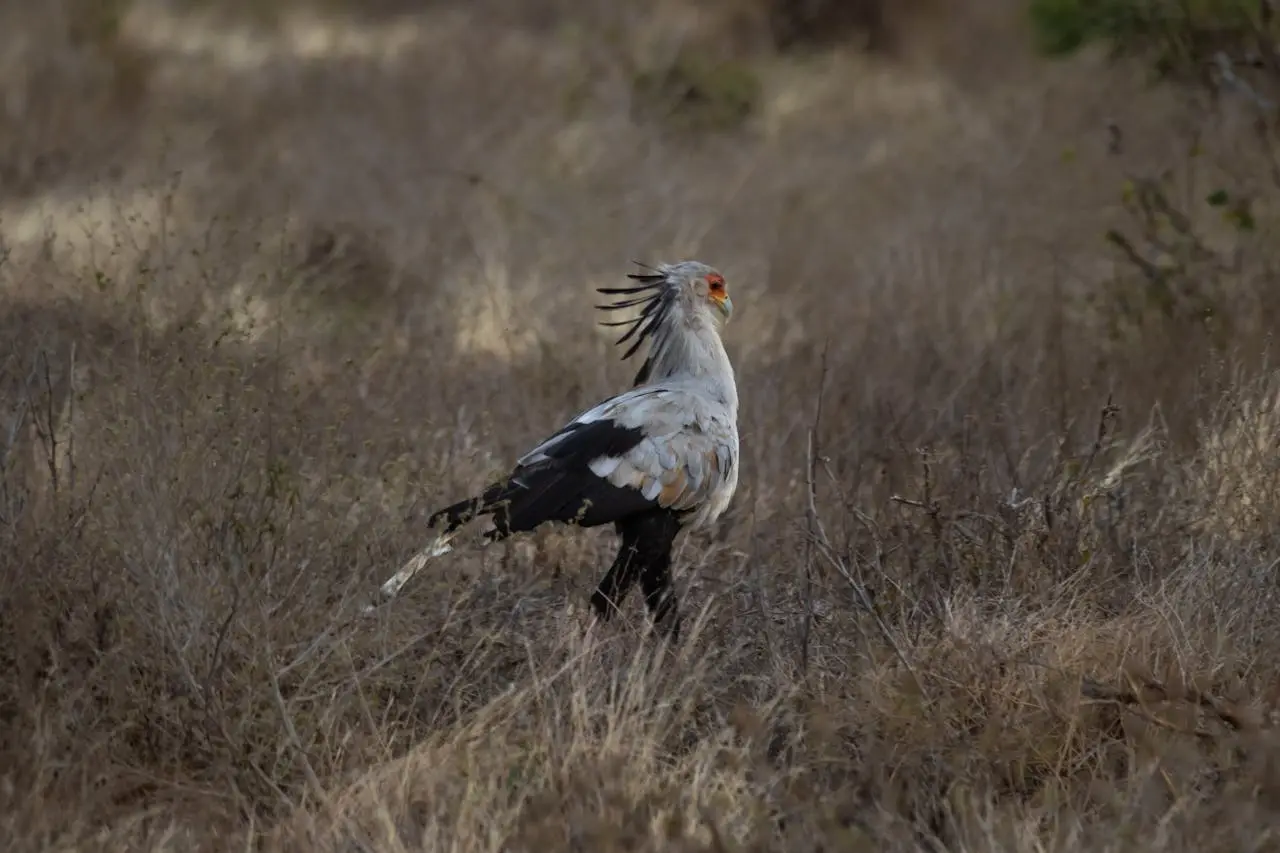
In Tsavo East, the open terrain means large herds and long views: it's the better park for elephants, for big groups of buffalo and for your chance of watching a hunt. Tsavo West adds animals tied to water and rock – hippos and crocodiles at Mzima Springs, klipspringers on the lava, leopards in the hills around Ngulia – and an outside chance of a black rhino. Birdwatchers are well served in both: more than 500 species have been recorded in Tsavo East and over 400 in Tsavo West, and at the end of the year migratory birds from Europe and Asia pass over the Ngulia Hills.
You'll find more about the species you can expect in our guide to the animals in Kenya.
Frequently Asked Questions
Which is better, Tsavo East or Tsavo West?
For a first safari and a short trip from the coast, Tsavo East: it's closer and animals are easier to see. Tsavo West is the better choice if you care about dramatic scenery, Mzima Springs and the chance of seeing rhinos, and have at least two days.
Can you visit Tsavo East and Tsavo West in one trip?
Yes. The parks are separated only by the Nairobi–Mombasa highway, so a safari of three days or more can easily include both. Each park charges its own entrance fee.
How far is Tsavo from Mombasa, Diani, Malindi and Watamu?
The gates of Tsavo East are roughly a three-hour drive from the coast. From Watamu and Malindi we enter through Sala Gate, from Mombasa and Diani through the gates near the town of Voi. Tsavo West lies further inland, which is why we visit it on trips with an overnight stay.
Are there rhinos in Tsavo?
Only in Tsavo West, where black rhinos live in the fenced Ngulia Rhino Sanctuary. They are shy, so a sighting isn't guaranteed. If rhinos are a priority for you, Lake Nakuru gives you a much better chance.
Not Sure Which Tsavo Suits You?
Tell us where you're staying, how many days you can spare and what you'd most like to see. We'll recommend Tsavo East, Tsavo West or a combination of both and send you a clear offer with everything that's included.