 Čeština
 Deutsch
 Polski
 Español
 Italiano
 Français
Animals in Kenya: Which Wildlife You Will See and Where
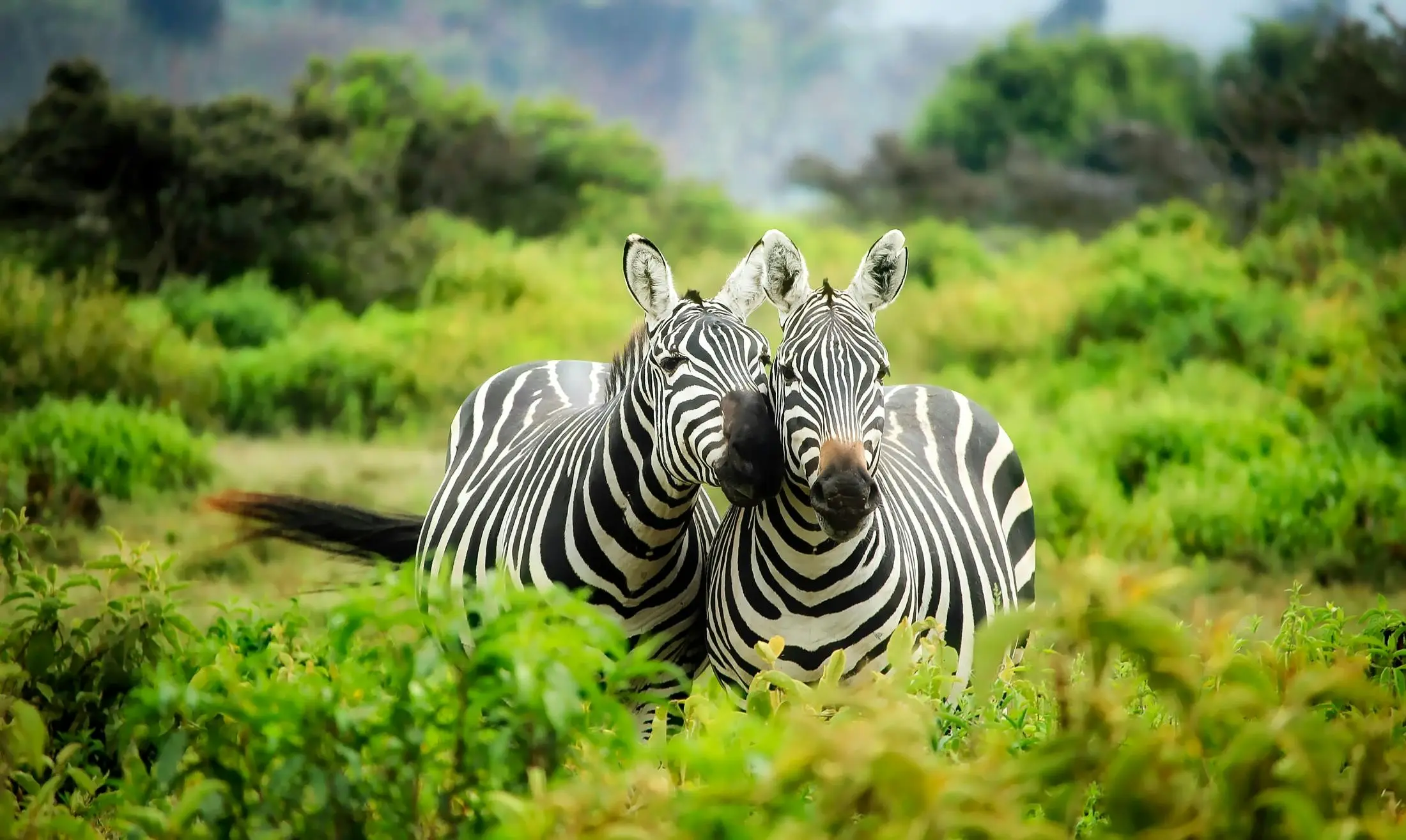
On a safari in Kenya you will almost certainly see elephants, giraffes, zebras, buffalo, antelopes, baboons and dozens of bird species. Lions, cheetahs and hippos are likely, while leopards and rhinos take luck. On the coast, the ocean adds dolphins, sea turtles and coral reef fish. Which animals you meet depends mainly on where you go: the dry plains of Tsavo, the swamps of Amboseli, the Rift Valley lakes and the reefs of Watamu each have their own cast.
The famous five – lion, leopard, elephant, buffalo and rhino – have an article of their own: the Big Five in Kenya. Here we look at everything else, and at where and when to find it.
Giraffes, Zebras and Antelopes: The Animals You Can Count On
Grazers and browsers are the backbone of every game drive. The giraffe is often the first big animal you see, its head rising above the acacias. Most giraffes in Tsavo and Amboseli are Masai giraffes, with jagged, leaf-shaped patches, while Lake Nakuru protects the rare Rothschild's giraffe, recognisable by its white "socks" with no markings below the knee.
Plains zebras live in almost every park, often mixed with other herds: more eyes and noses mean a better chance of noticing a predator in time. Every zebra has its own stripe pattern, as individual as a fingerprint.
Kenya's antelopes come in every size:
- Dik-dik – about the size of a hare, usually seen in pairs at the edge of the bush.
- Impala and Grant's gazelle – the graceful "standard" antelopes of the savanna, common in all parks.
- Gerenuk – the long-necked "giraffe gazelle" of Tsavo East, which stands on its hind legs to feed.
- Waterbuck, oryx and lesser kudu – the first near rivers and swamps, the other two in dry bush.
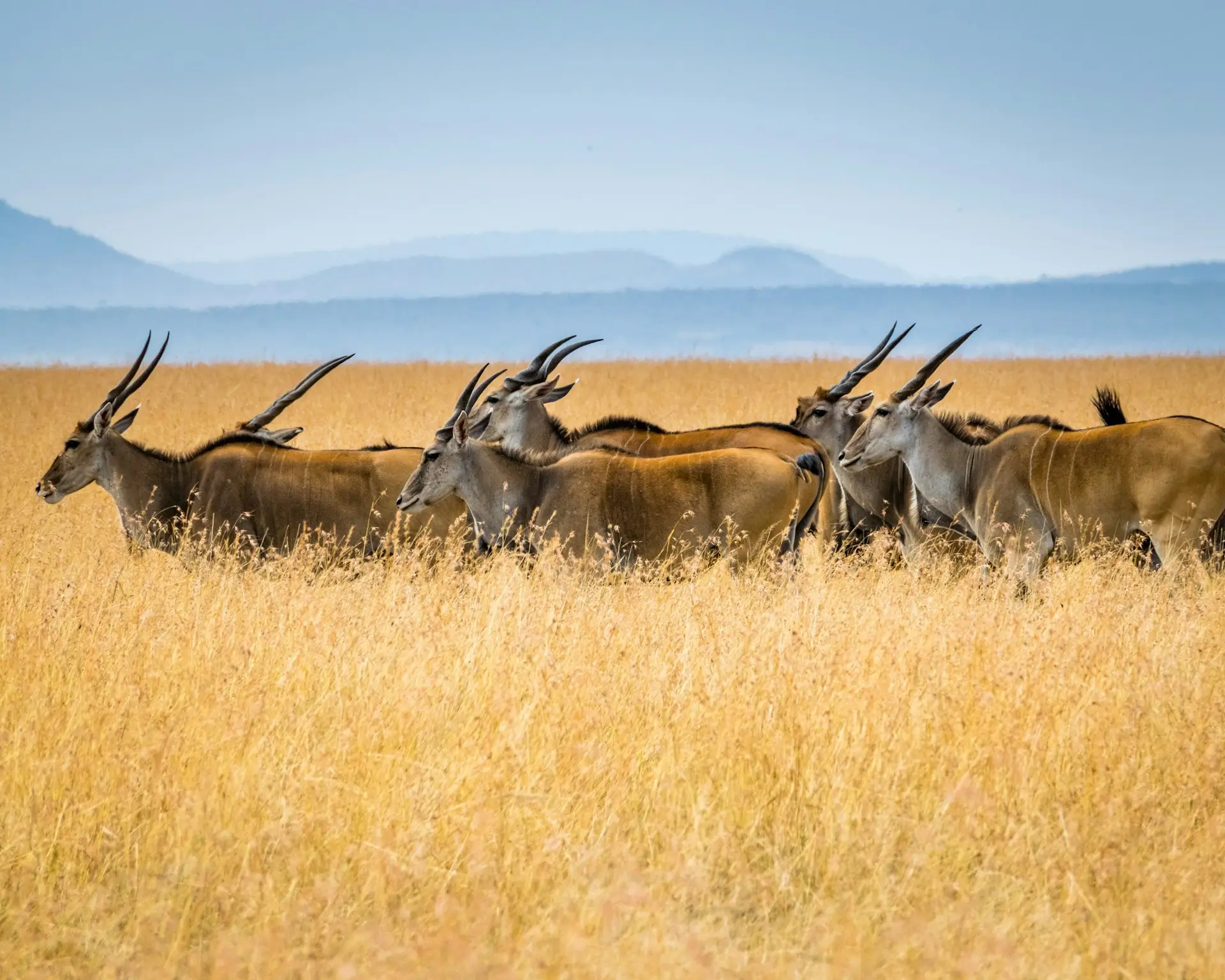
- Eland – one of the largest antelopes in the world, heavy as an ox yet able to jump surprisingly high.
Add warthogs trotting off with their tails in the air, and you have the everyday scenery of a Kenyan safari.
Hippos, Crocodiles and Life by the Water
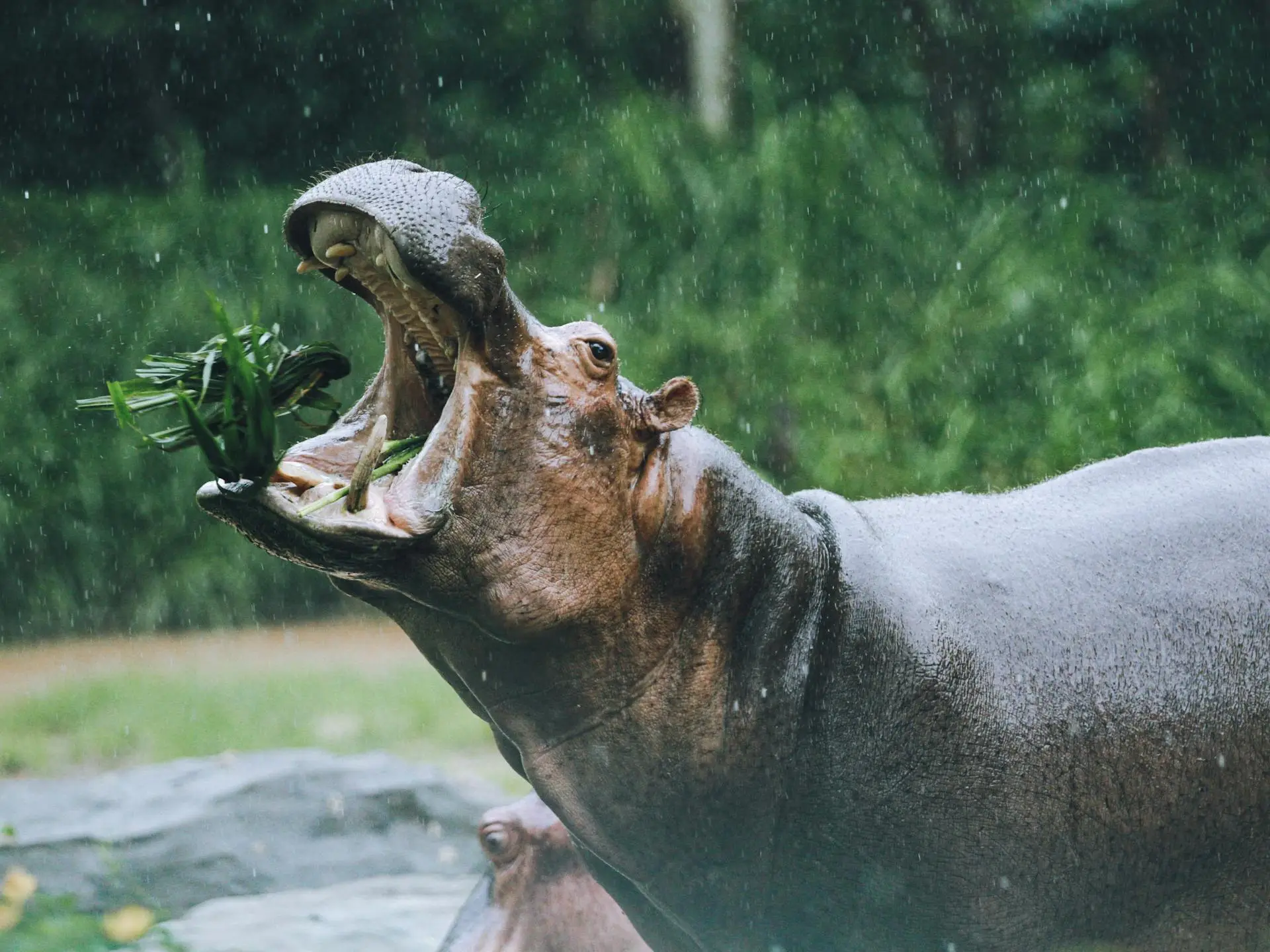
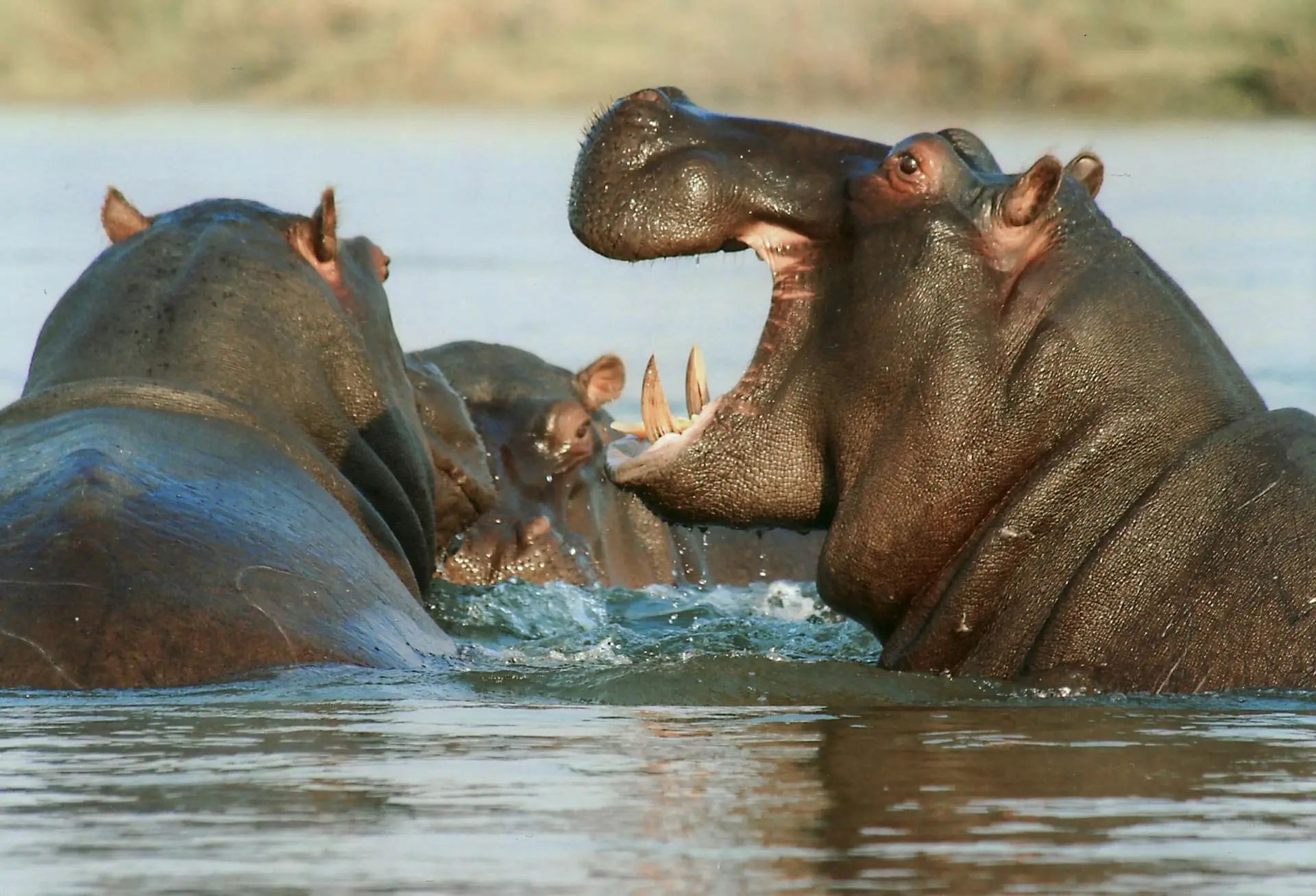
Wherever there is permanent water in Kenya, there are hippos. They spend the day submerged to protect their skin from the sun and come out at night to graze. Despite their placid look, they are among the most dangerous animals in Africa, particularly when someone gets between them and the water, so they are best admired from a boat, a viewing platform or a safe distance.
- Lake Naivasha – a boat trip takes you past groups of hippos and along shores full of water birds.
- Mzima Springs in Tsavo West – clear pools where you can watch hippos and fish from an underwater chamber.
- Galana River in Tsavo East – Nile crocodiles bask on the sandbanks around Lugard Falls.
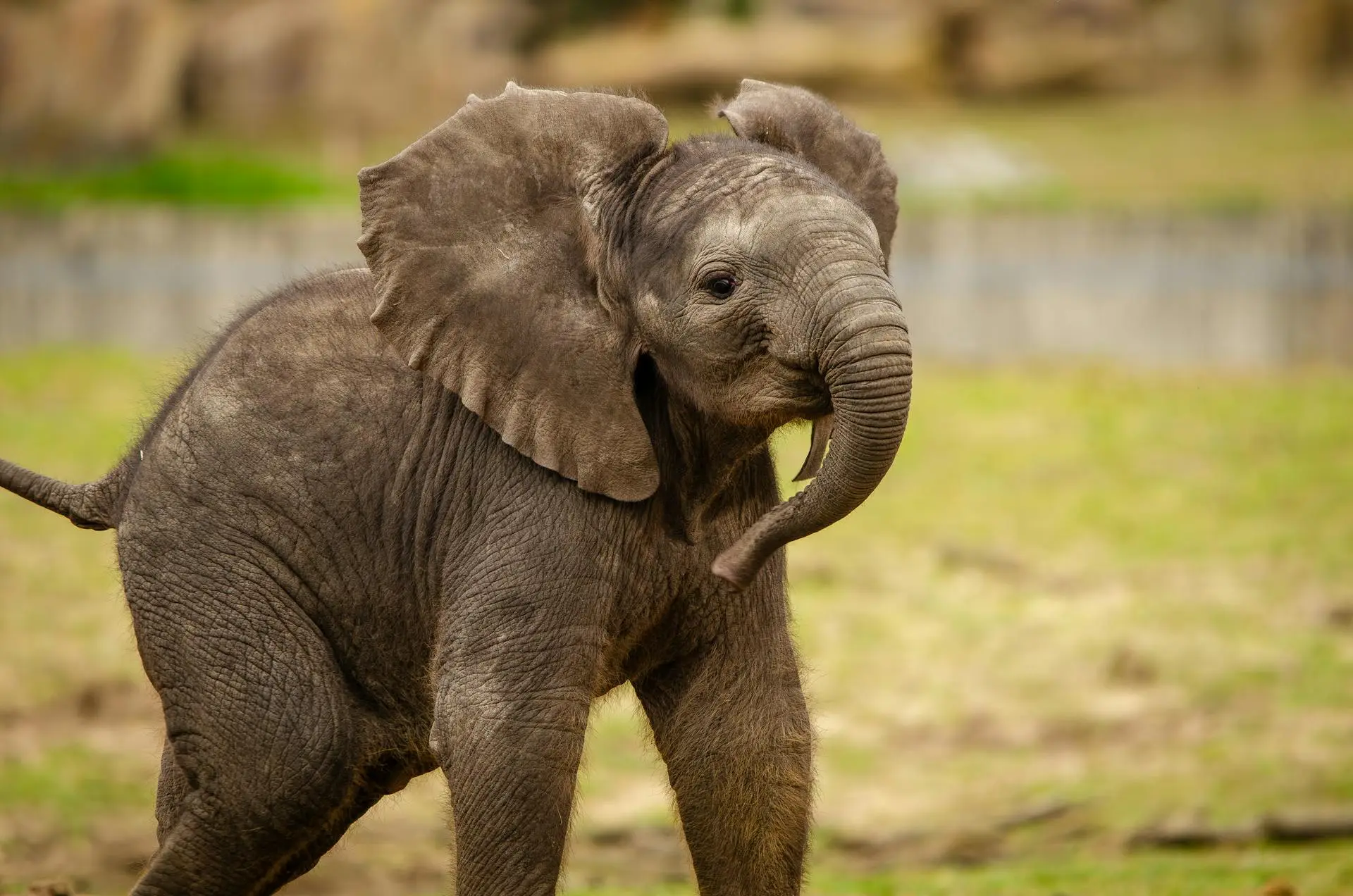
- Amboseli – swamps fed by underground water from Kilimanjaro, where elephants wade up to their bellies among hippos and herons.
The Nile crocodile is Africa's largest reptile and can go for months between big meals. Look out also for monitor lizards on the riverbanks, leopard tortoises crossing the track and the colourful agamas sunbathing on the rocks around the lodges.
Dolphins, Turtles and Reef Fish: The Animals of the Coast
Kenya's wildlife doesn't end at the beach. The Watamu Marine National Park protects coral gardens where you can snorkel among parrotfish, angelfish, butterflyfish, moray eels and, with luck, an octopus. Dolphins live in the waters off Watamu all year round, and a Blue Safari boat trip is the easiest way to see them.
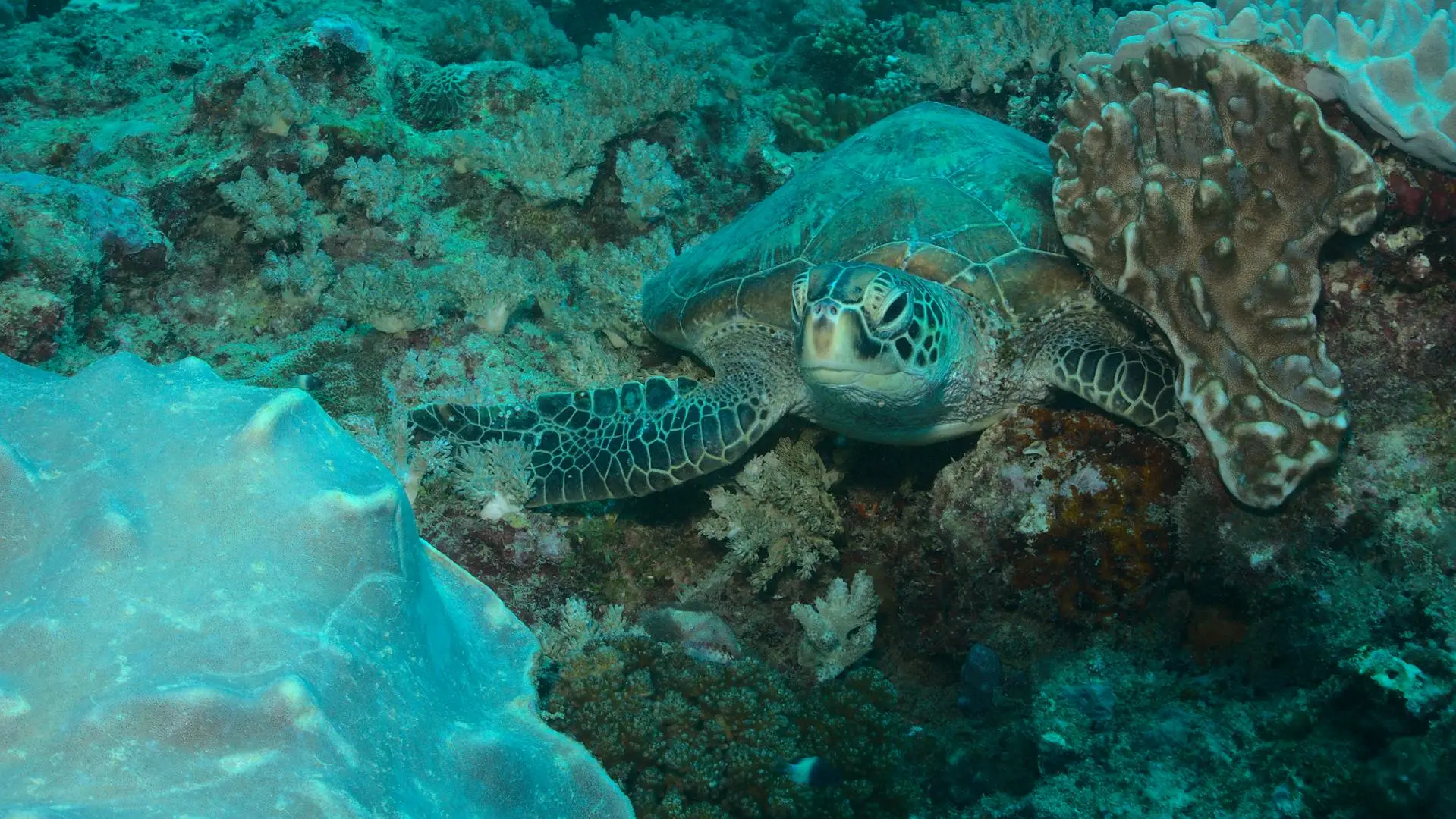
Green and hawksbill turtles feed on the reefs and seagrass, and female turtles come ashore on Watamu's beaches to lay their eggs. A local conservation centre rescues turtles caught in fishing nets and releases them back into the sea. Between about July and October, humpback whales migrate along the coast, and boats go out to look for them.
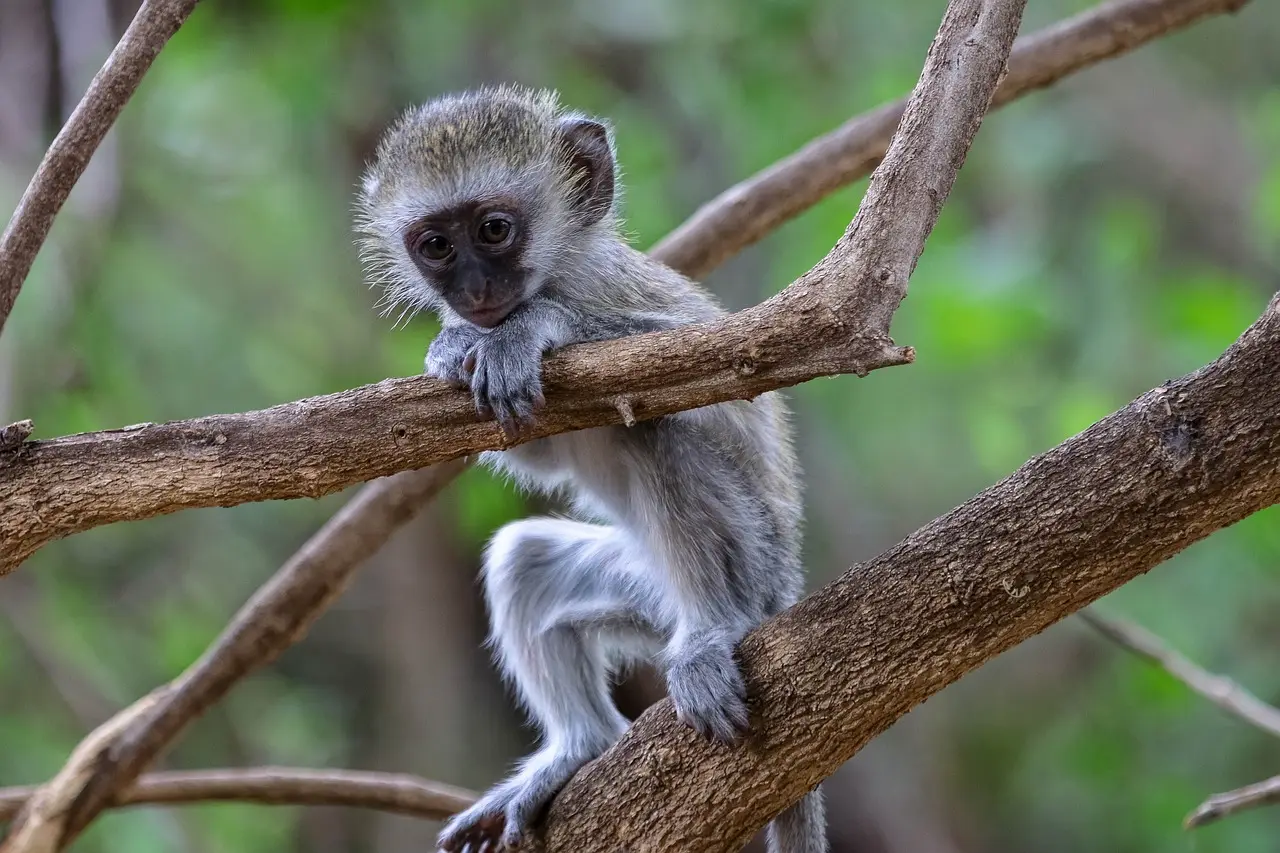
On land, the coast has its own cast: Sykes' monkeys and vervets in hotel gardens, yellow baboons by the road, bushbabies calling at night and, in the Arabuko Sokoke Forest, the rare golden-rumped elephant shrew.
Which Animals Where: Kenya at a Glance
The table shows what you can typically expect in the places we visit most often. It's an overview, not a guarantee: animals move around and every day is different.
| Place | What you typically see | Special for |
|---|---|---|
| Tsavo East | Elephants, giraffes, zebras, buffalo, antelopes, lions | Red elephants, gerenuk, Somali ostrich |
| Tsavo West | Elephants, giraffes, zebras, hippos, crocodiles | Mzima Springs, black rhinos in the sanctuary, klipspringers |
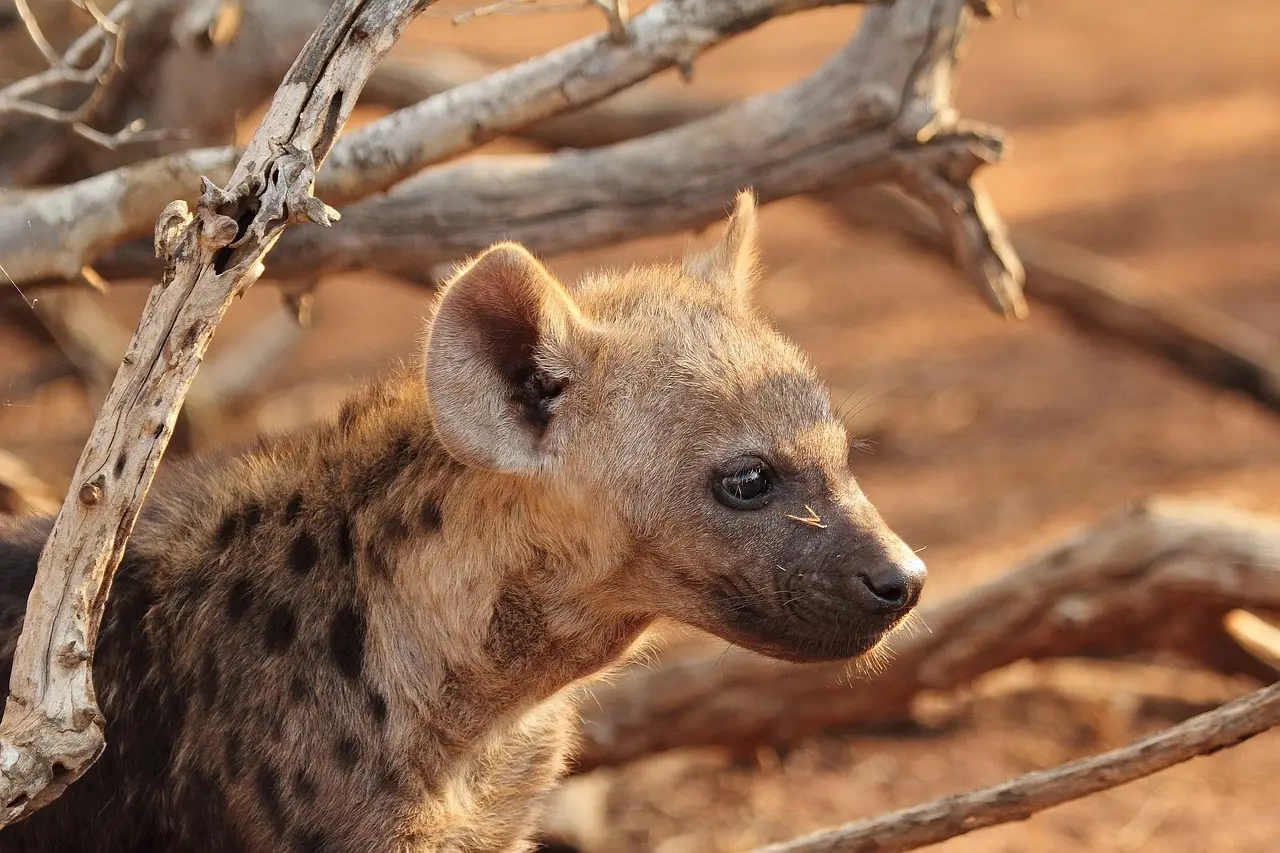
| Amboseli | Large elephant herds, hippos, wildebeest, zebras, hyenas | Elephants in front of Kilimanjaro, swamp birds |
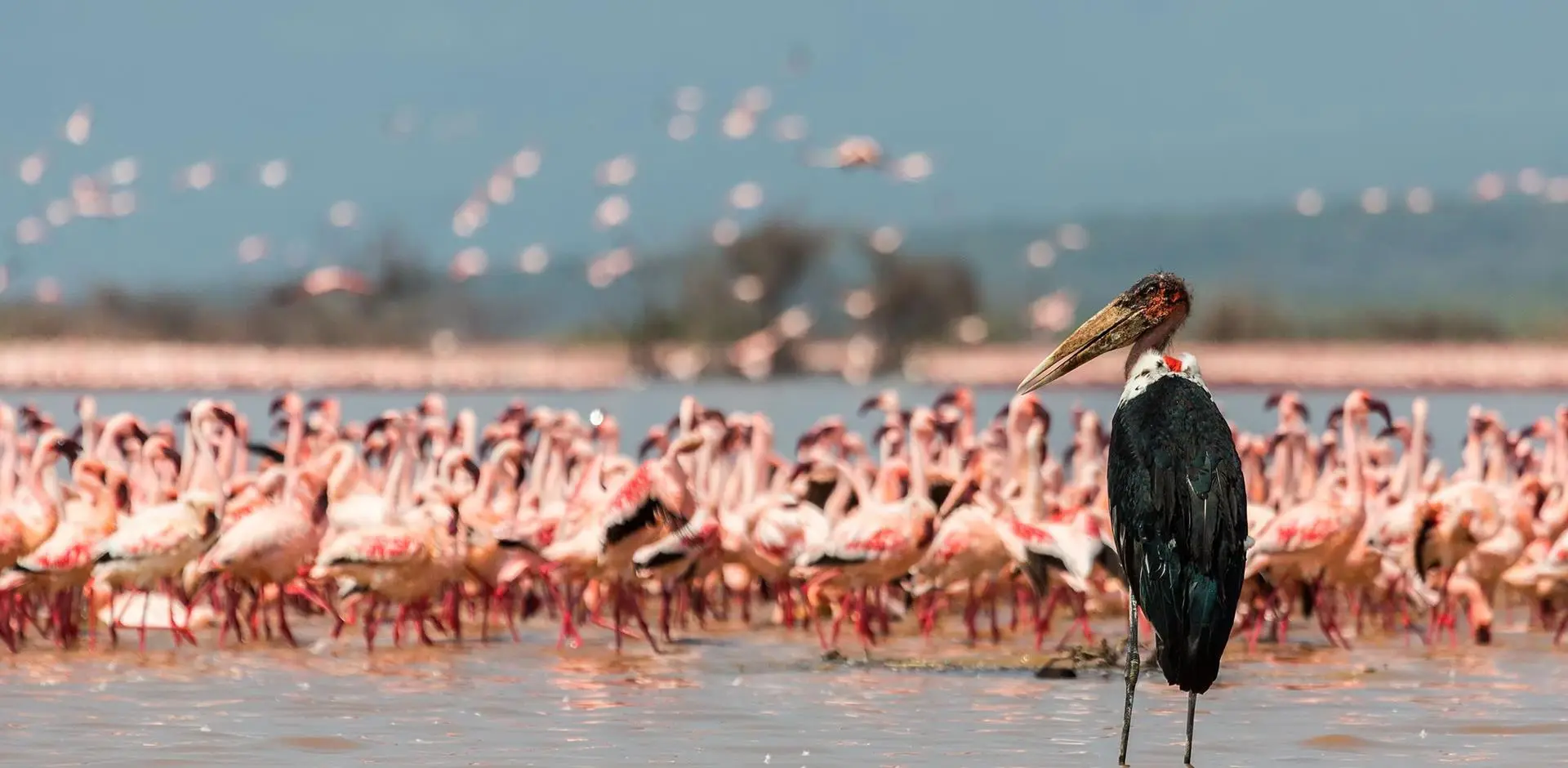
| Lake Nakuru | Rhinos, buffalo, giraffes, baboons, water birds | White and black rhinos, Rothschild's giraffe, flamingos |
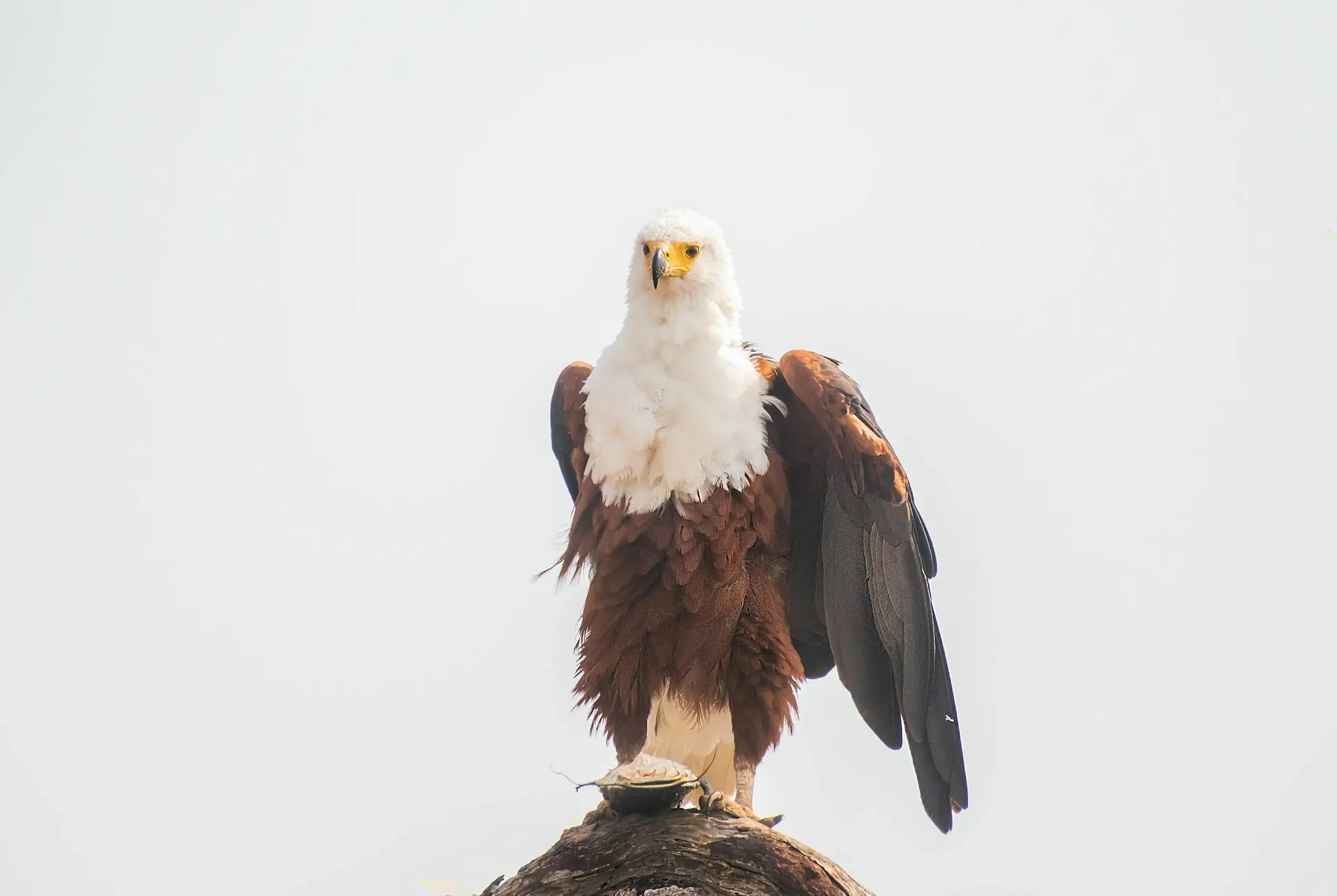
| Lake Naivasha | Hippos, water birds, giraffes and zebras on the shore | Boat trips, African fish eagle |
| Watamu and the coast | Reef fish, dolphins, turtles, monkeys | Snorkelling, humpback whales in season, birds of Mida Creek |
A few habits improve your chances everywhere:
- Start early. Most animals are active at dawn and late in the afternoon and rest through the midday heat.
- Go in the dry season if you can. From June to October and in January and February the grass is short and animals gather around water.
- Stay overnight. A night in the park gives you the two best game drives of the day: evening and early morning.
- Listen to your guide and keep quiet. Guides read tracks, alarm calls and the behaviour of other animals, and a calm vehicle gets closer.
- Bring binoculars. They turn a dot on the horizon into a cheetah.
Can't decide between the two parks nearest to the coast? We compare them in Tsavo East or Tsavo West.
Frequently Asked Questions
What animals can you see in Kenya?
On safari you can expect elephants, giraffes, zebras, buffalo, many antelopes, baboons, warthogs and a great variety of birds. Lions, cheetahs, hyenas, hippos and crocodiles are likely on a longer trip, while leopards and rhinos take luck. The coast adds dolphins, sea turtles and reef fish.
Are there tigers in Kenya?
No. Tigers live only in Asia. Kenya's big cats are the lion, the leopard and the cheetah, joined by smaller cats such as the serval and the caracal.
Which animals are dangerous on safari?
In a vehicle and with a guide, a safari is safe. Wild animals are unpredictable, though: hippos, buffalo, elephants and crocodiles deserve particular respect. Stay in the vehicle unless your guide says otherwise, don't feed the animals and keep your distance from the water's edge.
When is the best time to see animals in Kenya?
In the dry months from June to October and in January and February, when vegetation is sparse and animals gather near water. Migratory birds are best from November to March, and humpback whales pass the coast between about July and October.

Which Animals Would You Like to See?
Send us your wish list and tell us how many days you have. We'll suggest the parks and trips that give you the best chance – from a day in Tsavo East to a longer safari with the Rift Valley lakes and a day out on the ocean.