 Čeština
 Deutsch
 Polski
 Español
 Italiano
 Français
The Big Five in Kenya: Where and How to See Them
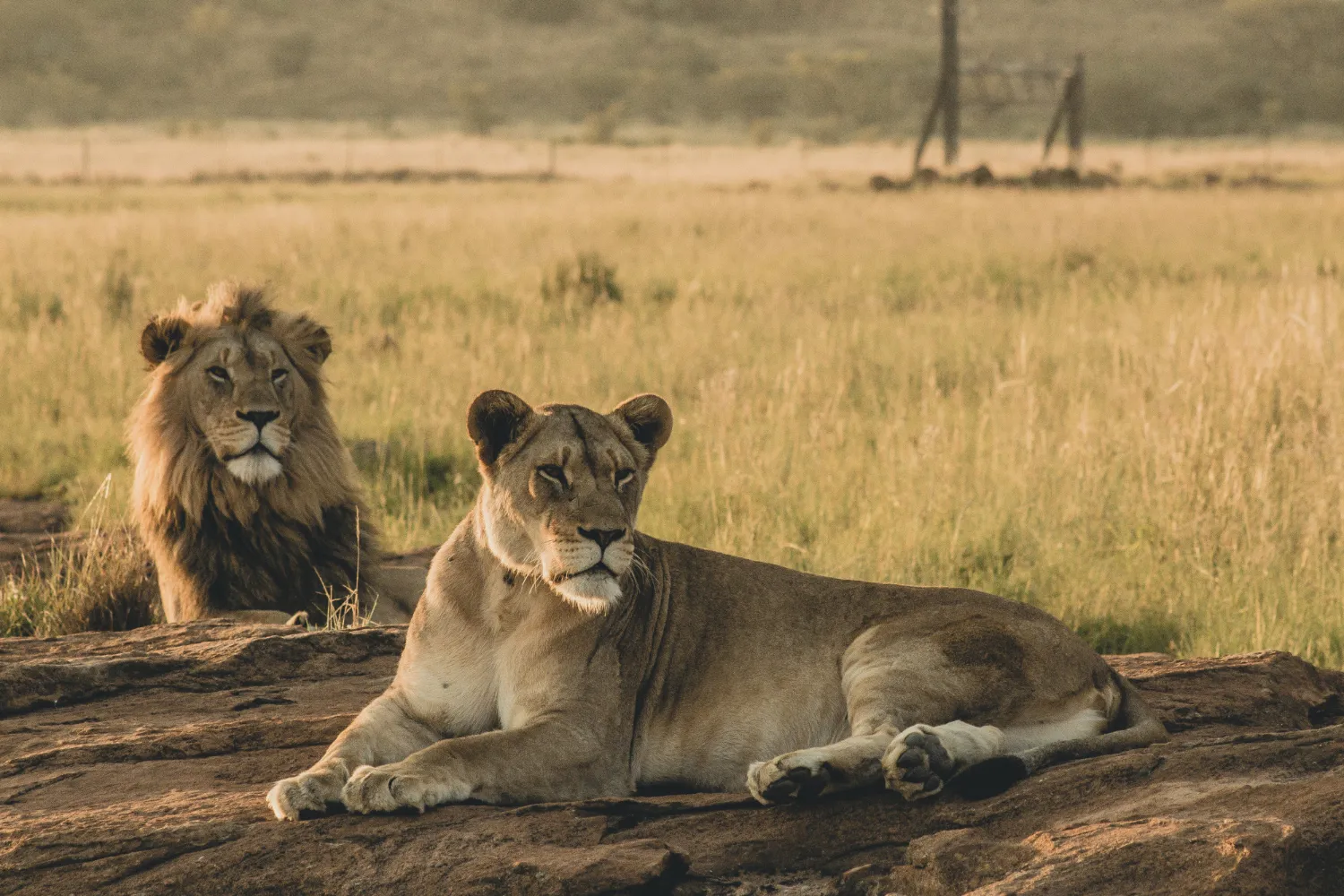
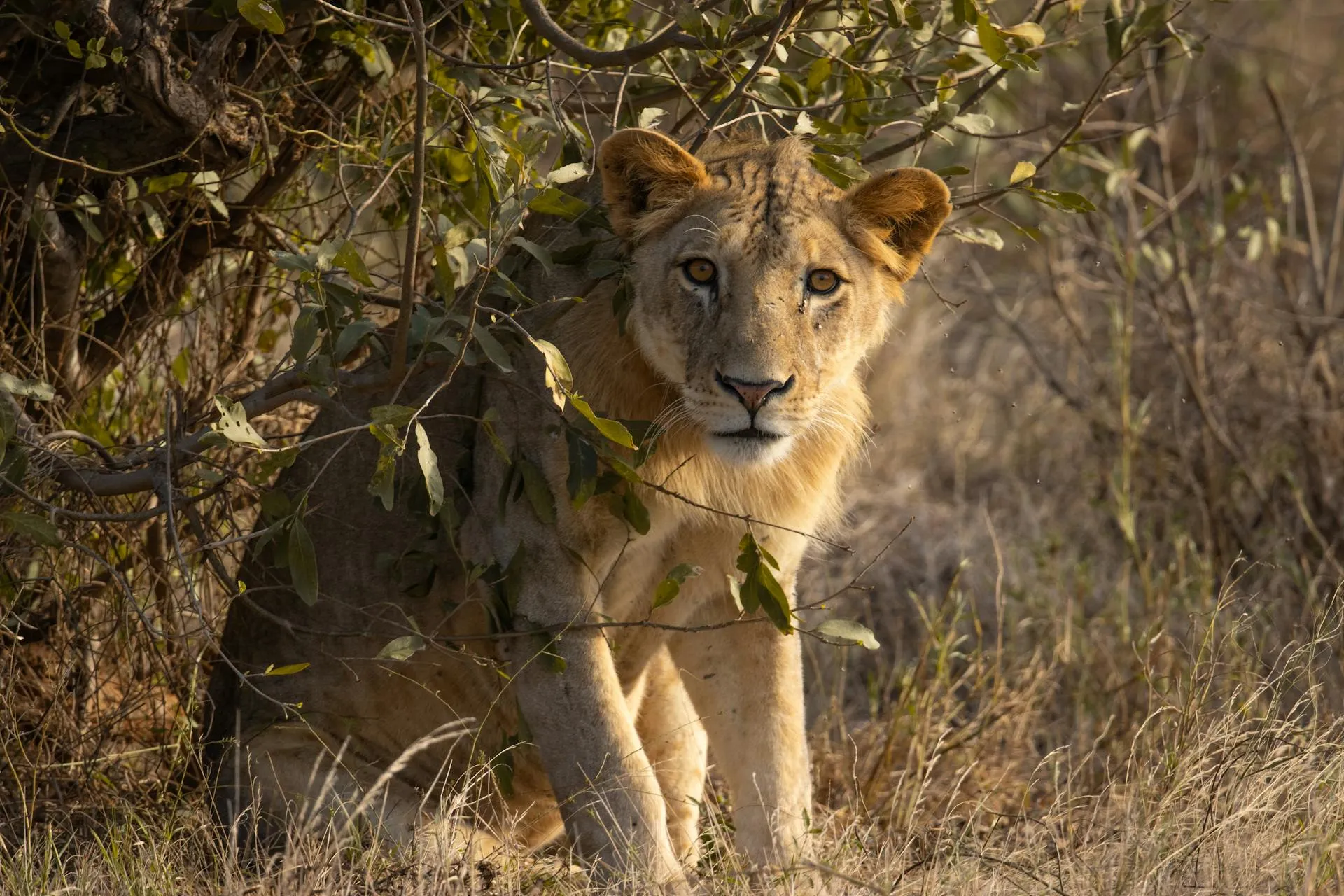
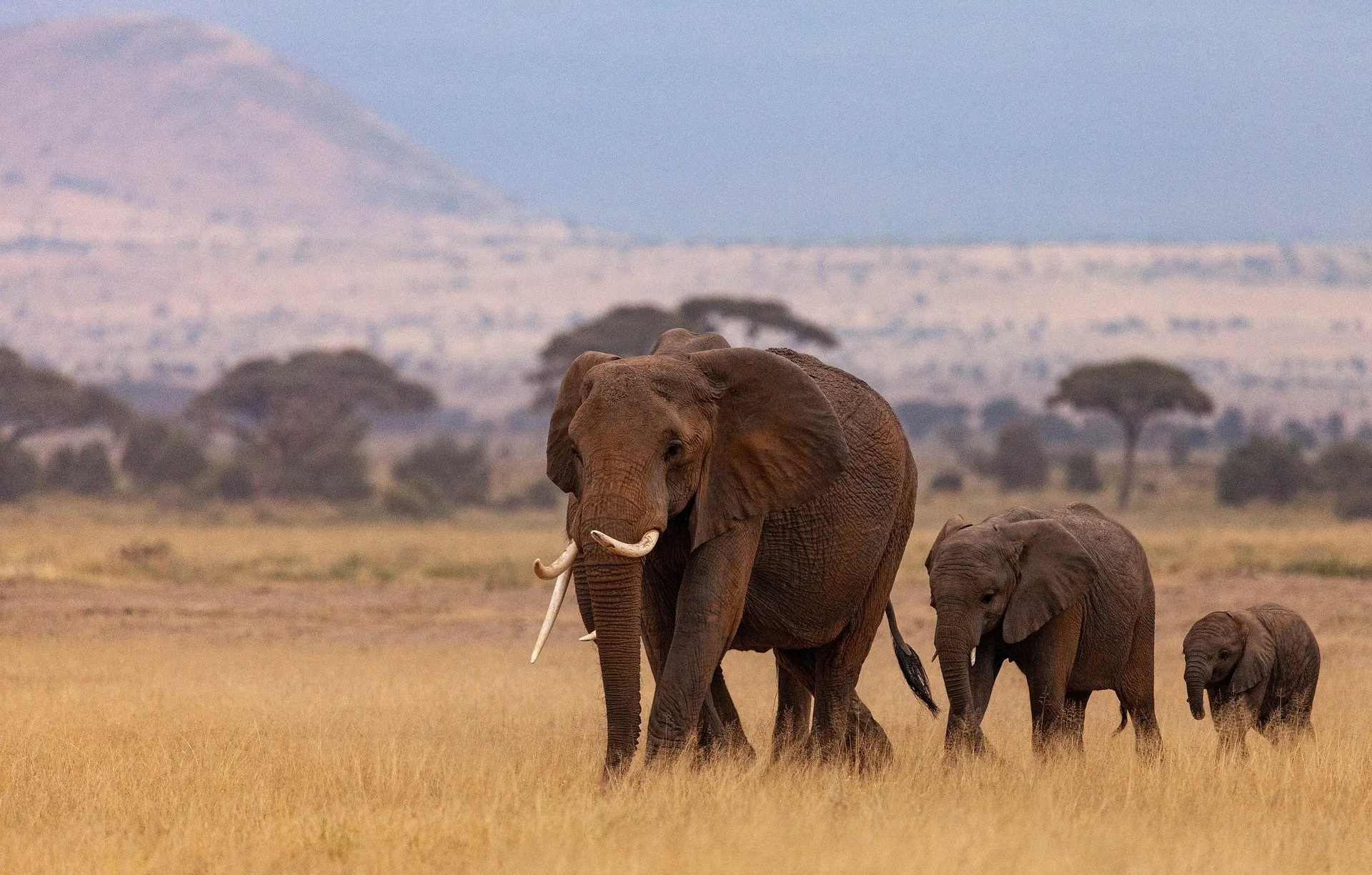
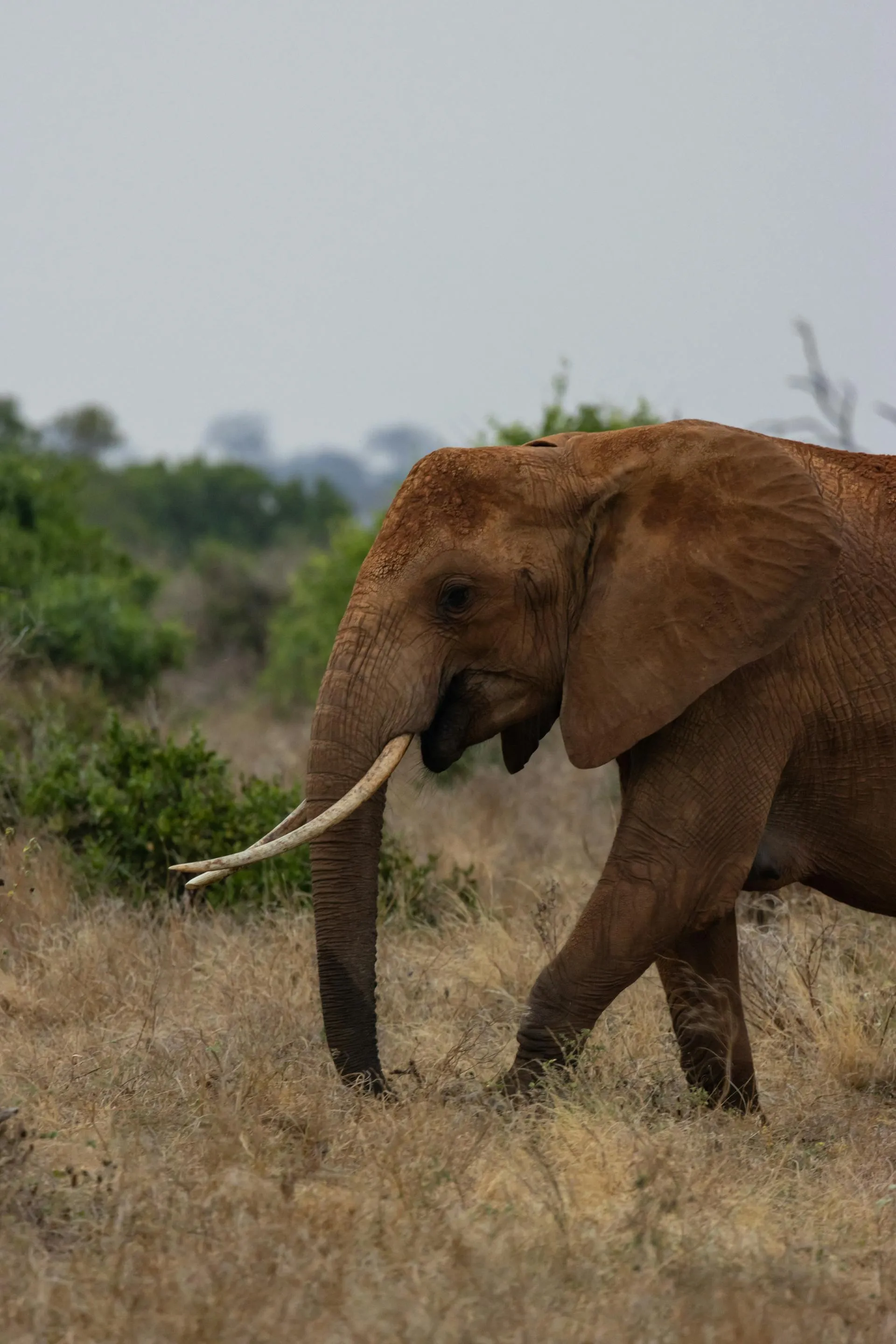
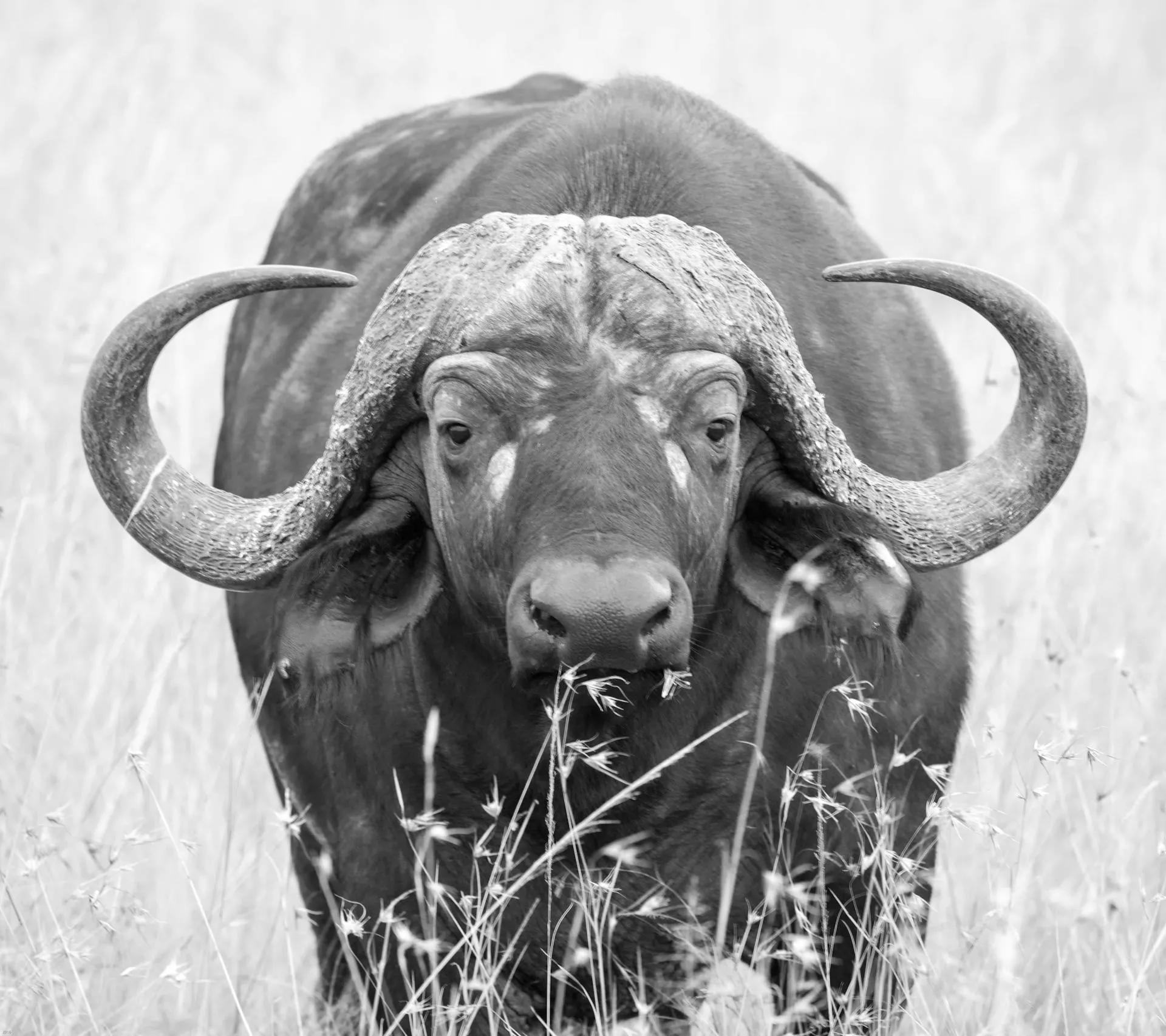
The Big Five are five African animals: the lion, leopard, elephant, buffalo and rhinoceros. In Kenya you can see all of them, but not in every park. Elephants, buffalo and lions are fairly easy to find, the leopard takes patience and the rhino is the rarest of the five.
For many travellers, "ticking off" the Big Five is the dream of their first safari. Below you'll find what makes each animal special, where in Kenya your chances are best and how to plan a route that gives you a real shot at all five.
Where Does the Name Big Five Come From?
The term was coined by big-game hunters in colonial times. It didn't refer to the biggest animals, but to the five considered the most difficult and dangerous to hunt on foot. That's why the hippo, giraffe and cheetah aren't on the list, even though they're bigger or faster than some of the five.
Today the Big Five are only "hunted" with cameras. Their survival depends on protected areas and on income from tourism, which pays for rangers and anti-poaching patrols. Every visit to a national park helps a little.
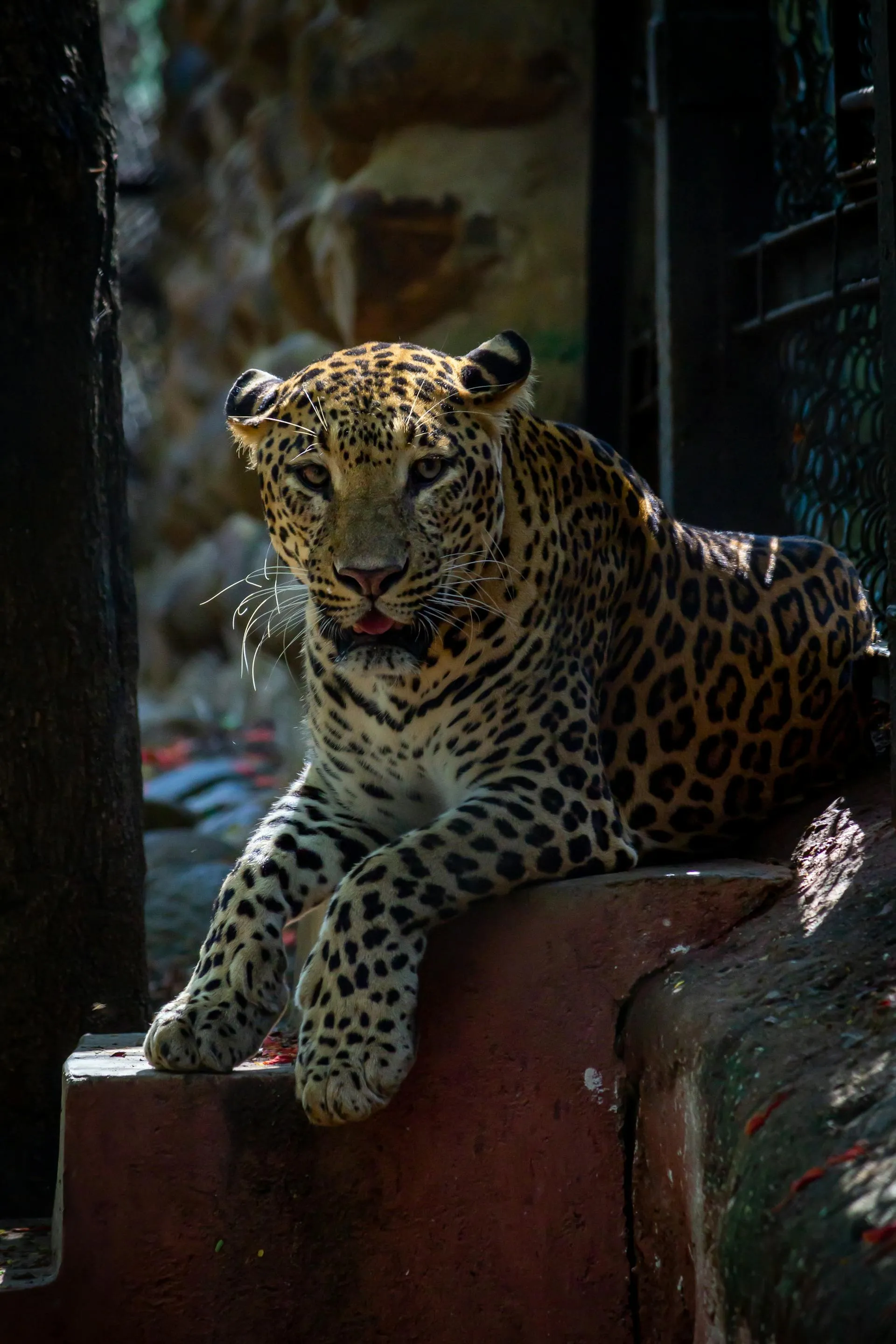
Leopard: The Hardest to Find
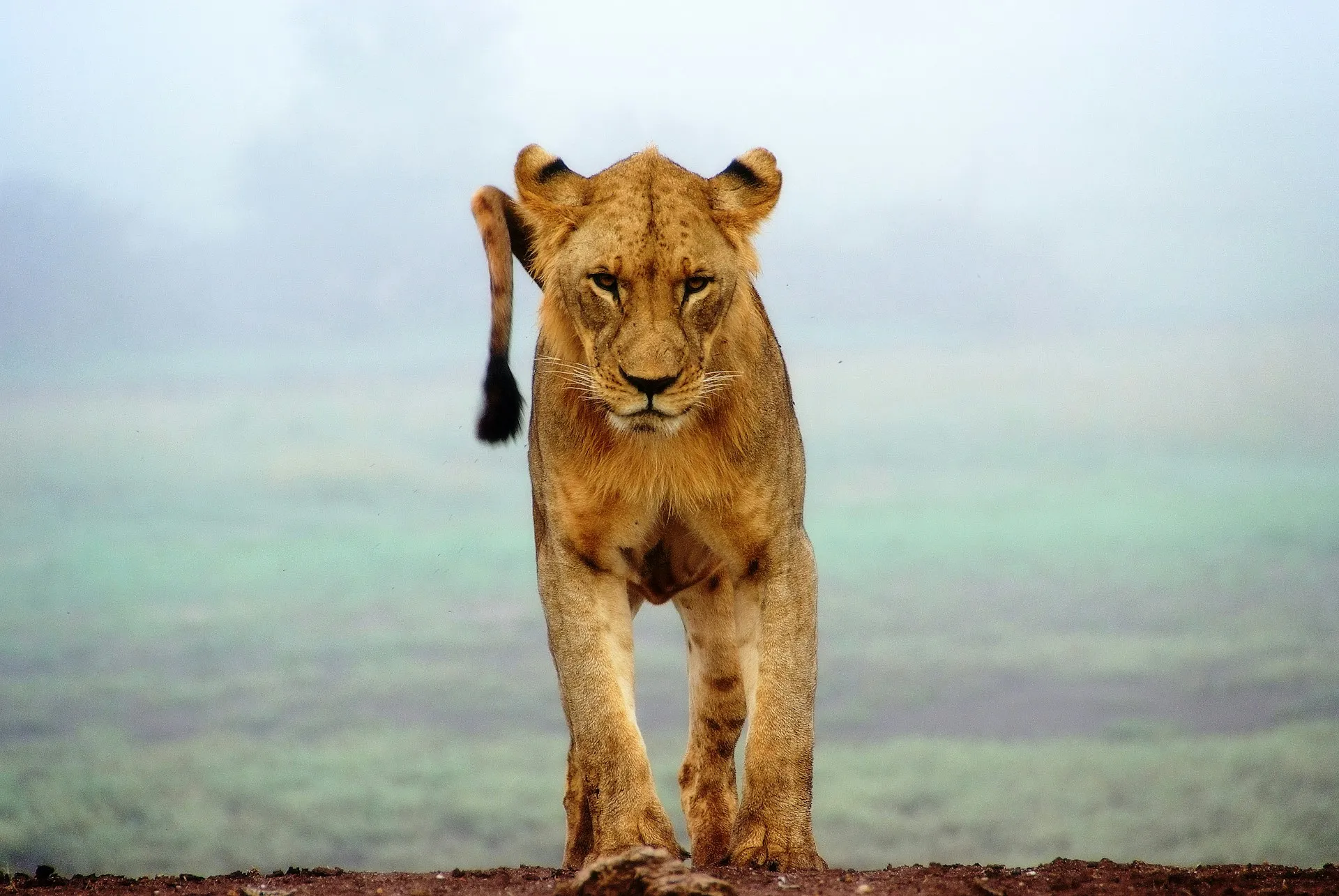
The leopard is a solitary hunter, active mainly at night, that spends the day hidden in trees, dense bush or among rocks. Even experienced guides can't promise a sighting, and that's exactly why seeing one is such a thrill. Look for a tail hanging from a branch or prey wedged in a tree.
Your chances are best where there is plenty of cover and prey: in the riverine woodland of the Masai Mara, the acacia forests of Lake Nakuru and the rocky hills of Tsavo West. The key is time – a multi-day safari with morning and evening drives greatly improves the odds.
Rhino: The Rarest of the Five
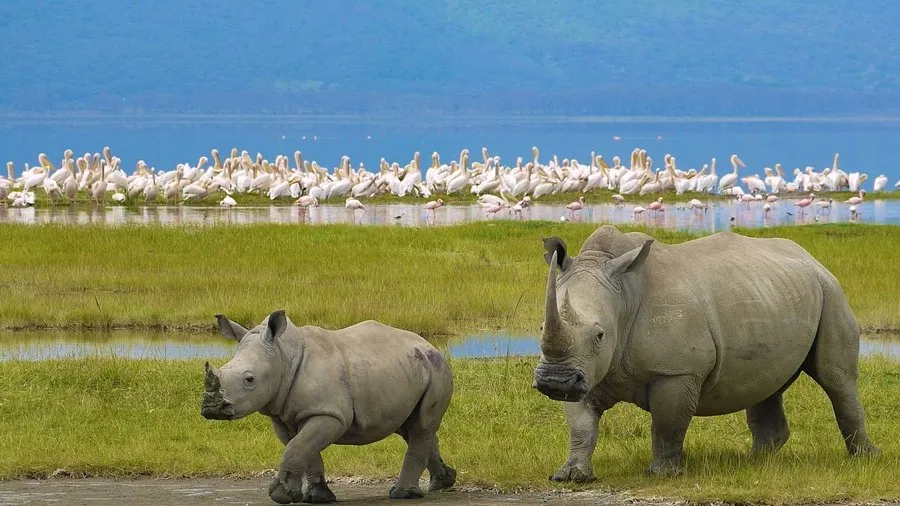
Kenya is home to both black and white rhinos. Poaching pushed both species to the brink of extinction, and today they survive mainly in fenced sanctuaries under constant guard. That's why you need to know where to look:
- Lake Nakuru – one of the best places in Kenya to see both black and white rhinos, often grazing close to the track.
- Tsavo West – the Ngulia Rhino Sanctuary protects black rhinos. They're shy and live in dense bush, so a sighting takes luck.
- Ol Pejeta in Laikipia – a conservancy known for its large black rhino population and its work to save the northern white rhino.
- Masai Mara – a small population of black rhinos, rarely seen.
Rhinos are practically never seen in Tsavo East or Amboseli. If the rhino is high on your list, include Lake Nakuru in your route.
Where to See the Big Five in Kenya: Parks Compared
The table shows typical chances in the parks we visit most often. It's an overview, not a guarantee: animals move around and every safari is different.
| Park | Lion | Leopard | Elephant | Buffalo | Rhino |
|---|---|---|---|---|---|
| Tsavo East | Good | Occasional | Very good | Very good | Practically none |
| Tsavo West | Good | Occasional | Good | Good | Rare (sanctuary) |
| Amboseli | Good | Rare | Very good | Very good | Practically none |
| Lake Nakuru | Good | Occasional | None | Very good | Very good |
| Masai Mara | Very good | Good | Good | Very good | Rare |
From the coast, a two- or three-day safari through Tsavo East and Tsavo West gives you a good chance of seeing four of the Big Five. If you want all five, add Lake Nakuru, ideally as part of a private safari tailored to you.
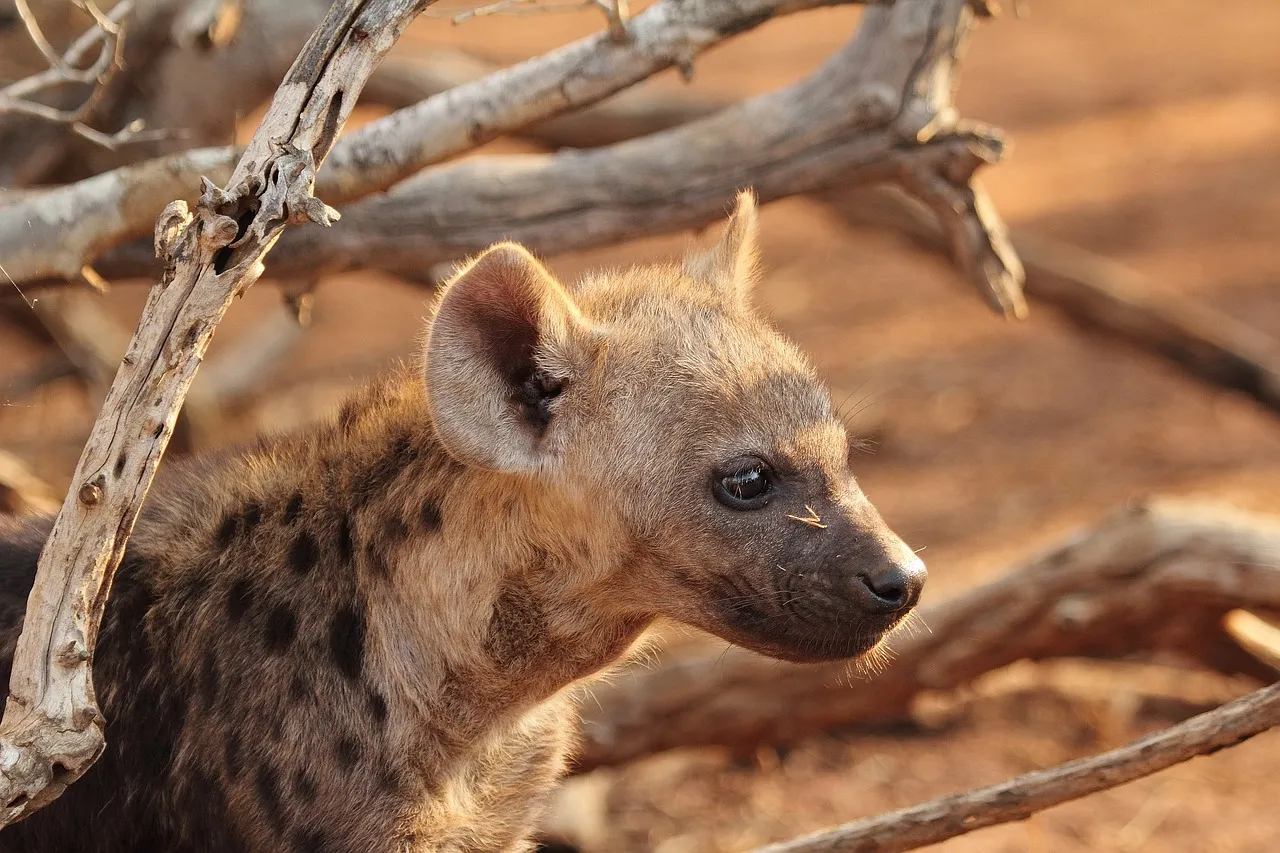
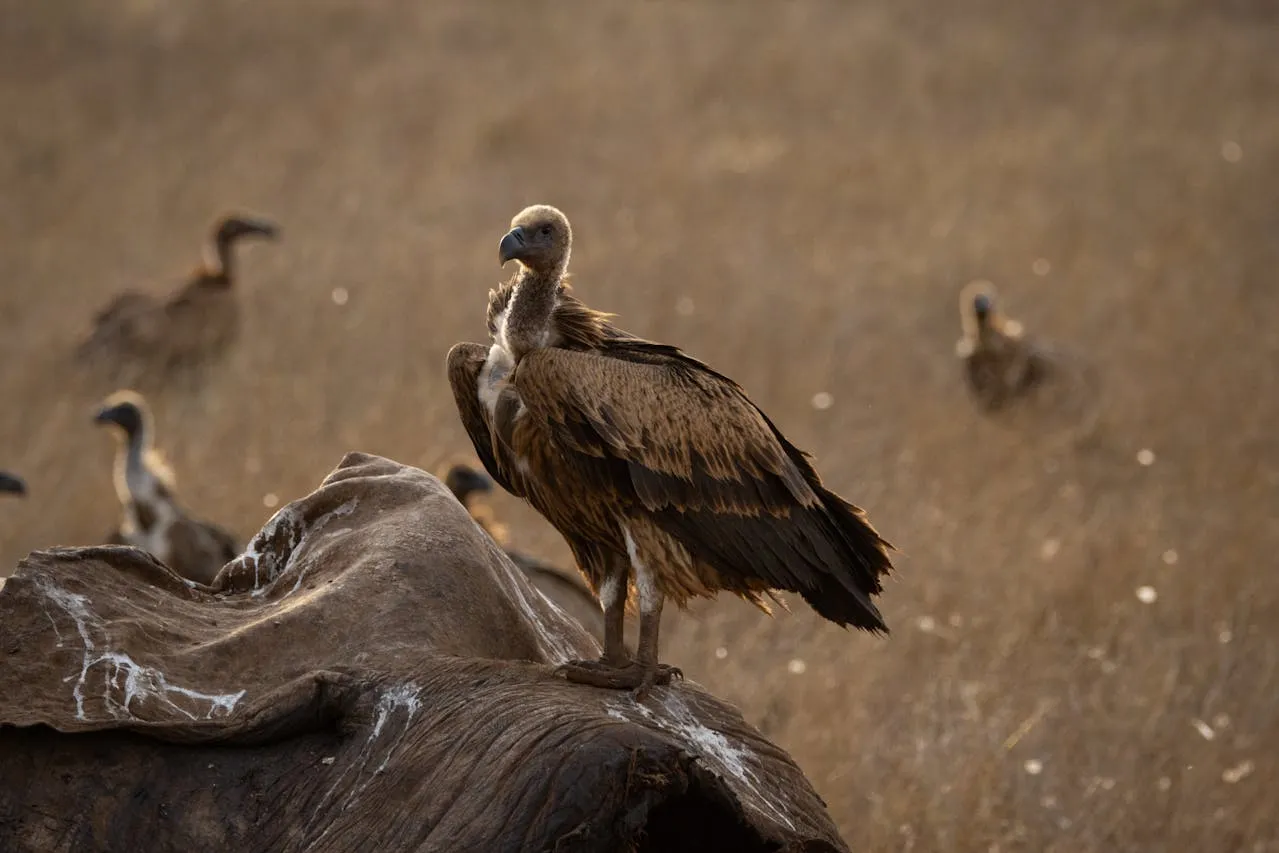
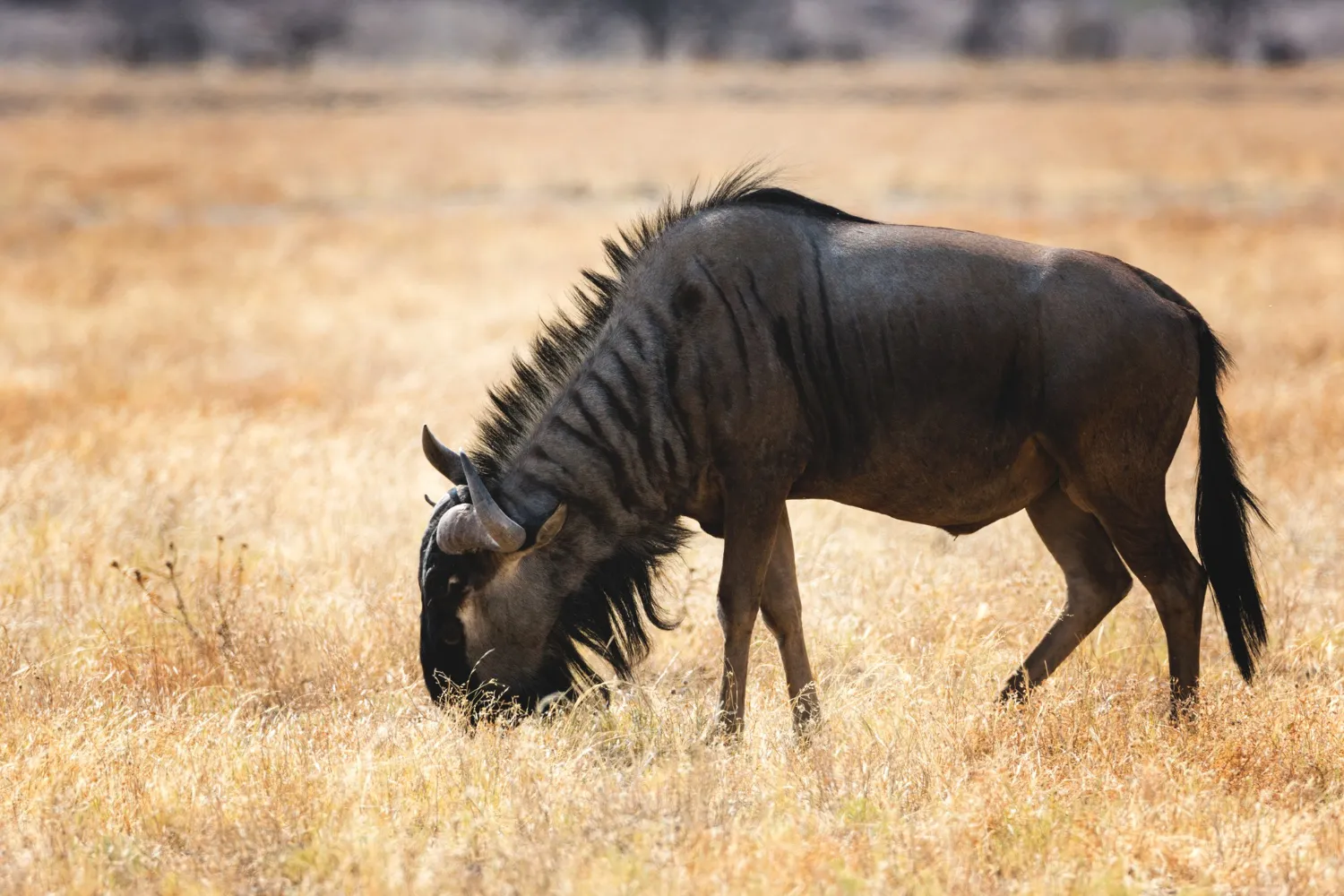
Keep an eye out for the smaller creatures too. Guides love to talk about the "Little Five" – the ant lion, elephant shrew, leopard tortoise, buffalo weaver and rhino beetle – and, tongue in cheek, the "Ugly Five": the hyena, vulture, marabou stork, warthog and wildebeest. One species of elephant shrew even lives in the Arabuko Sokoke Forest near Watamu.
Frequently Asked Questions
What are the Big Five animals?
The lion, leopard, elephant, African buffalo and rhinoceros. Hunters originally used the name for the five animals most dangerous to hunt on foot; today it's the classic wish list of every safari.
Where can you see the Big Five in Kenya?
All five live in the Masai Mara, although rhinos are rare there. Closer to the coast, Tsavo East and West offer lions, leopards, elephants and buffalo, and Lake Nakuru is one of the best places for rhinos.
Can you see the Big Five in one day?
It's possible but rare, because leopards and rhinos are hard to find. Realistically, plan a safari of at least two or three days and combine parks with different wildlife.
Why isn't the cheetah one of the Big Five?
The name has nothing to do with size or speed. It comes from hunters, for whom the cheetah was not dangerous prey. Cheetahs are still one of the highlights of a Kenyan safari, especially in the Masai Mara.
Want to Try for All Five?
Tell us which animals you'd most like to see and how much time you have. We'll suggest the route that gives you the best chance, from two days in Tsavo to a longer safari that includes Lake Nakuru.