 Čeština
 Deutsch
 Polski
 Español
 Italiano
 Français
Things to Do in Watamu: Beaches, Marine Park and Day Trips
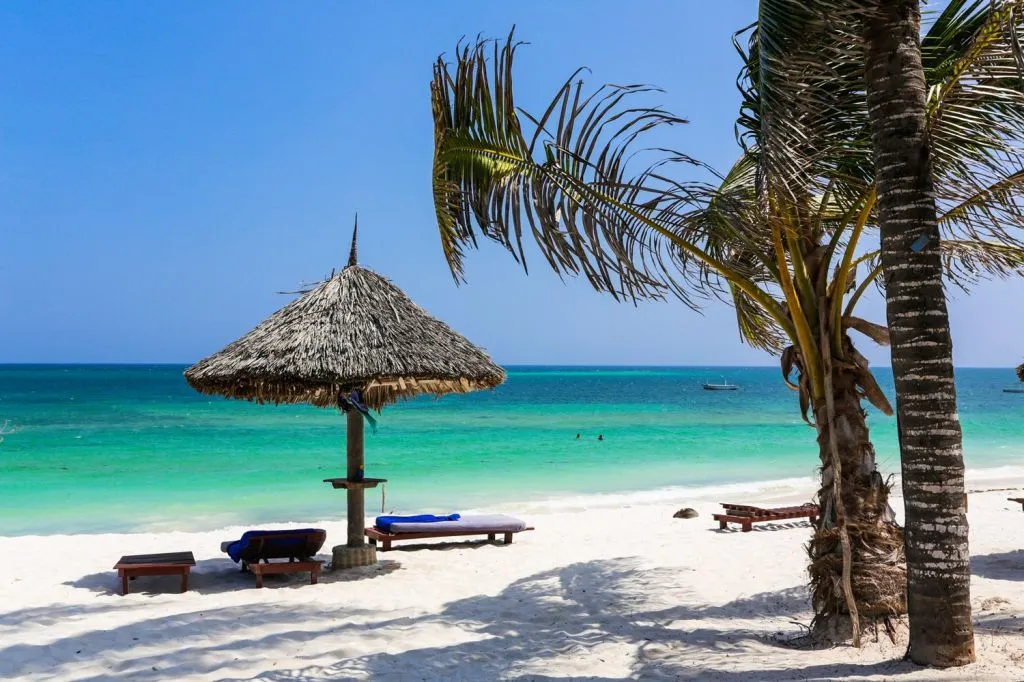
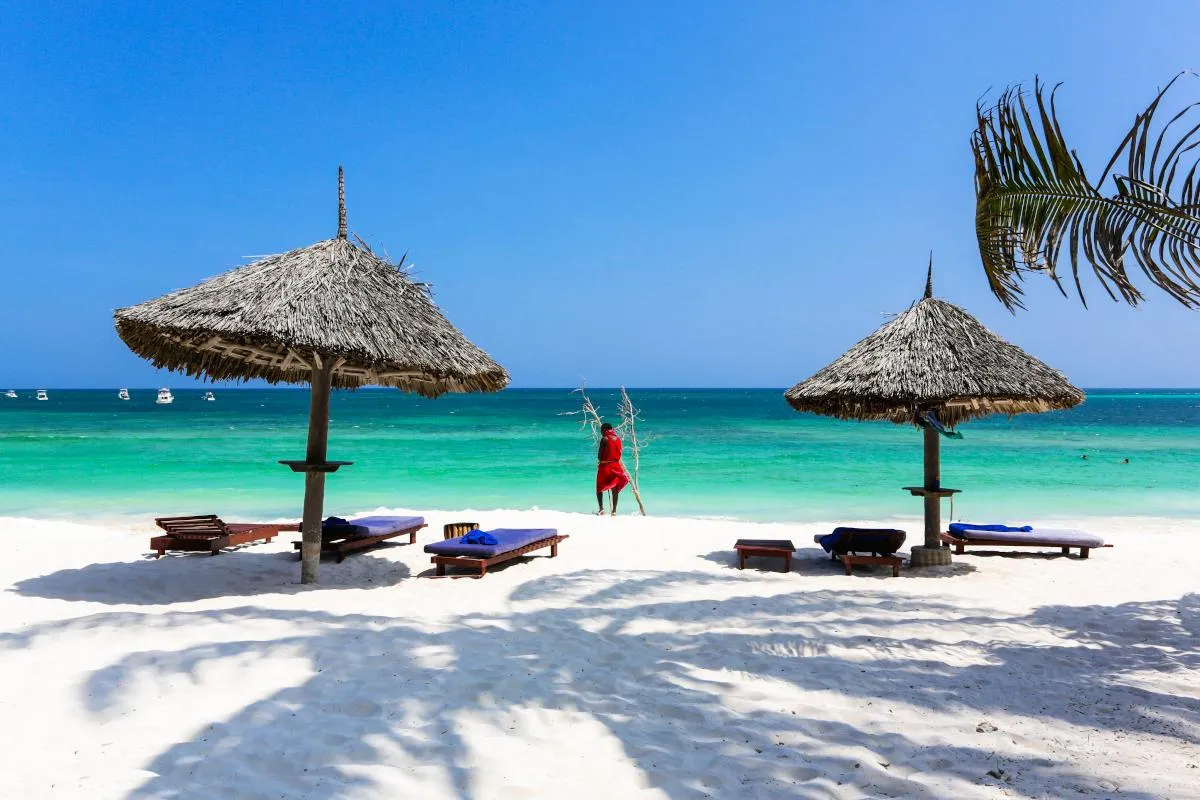
In Watamu you can snorkel among corals and turtles in a marine national park, explore the mangroves of Mida Creek, walk through the Swahili ruins of Gede and set off on safari to Tsavo East. All of it lies a short drive from the beaches, which makes this small town on the Kenyan coast one of the best bases for an active holiday.
Watamu is quieter than Mombasa or Diani. It has a relaxed village feel, white beaches and a surprising number of Italian restaurants and gelaterias, thanks to the many Italians who have settled here. These are the experiences we recommend to our guests, with practical tips on tides and timing.
Watamu Marine National Park and the Blue Safari
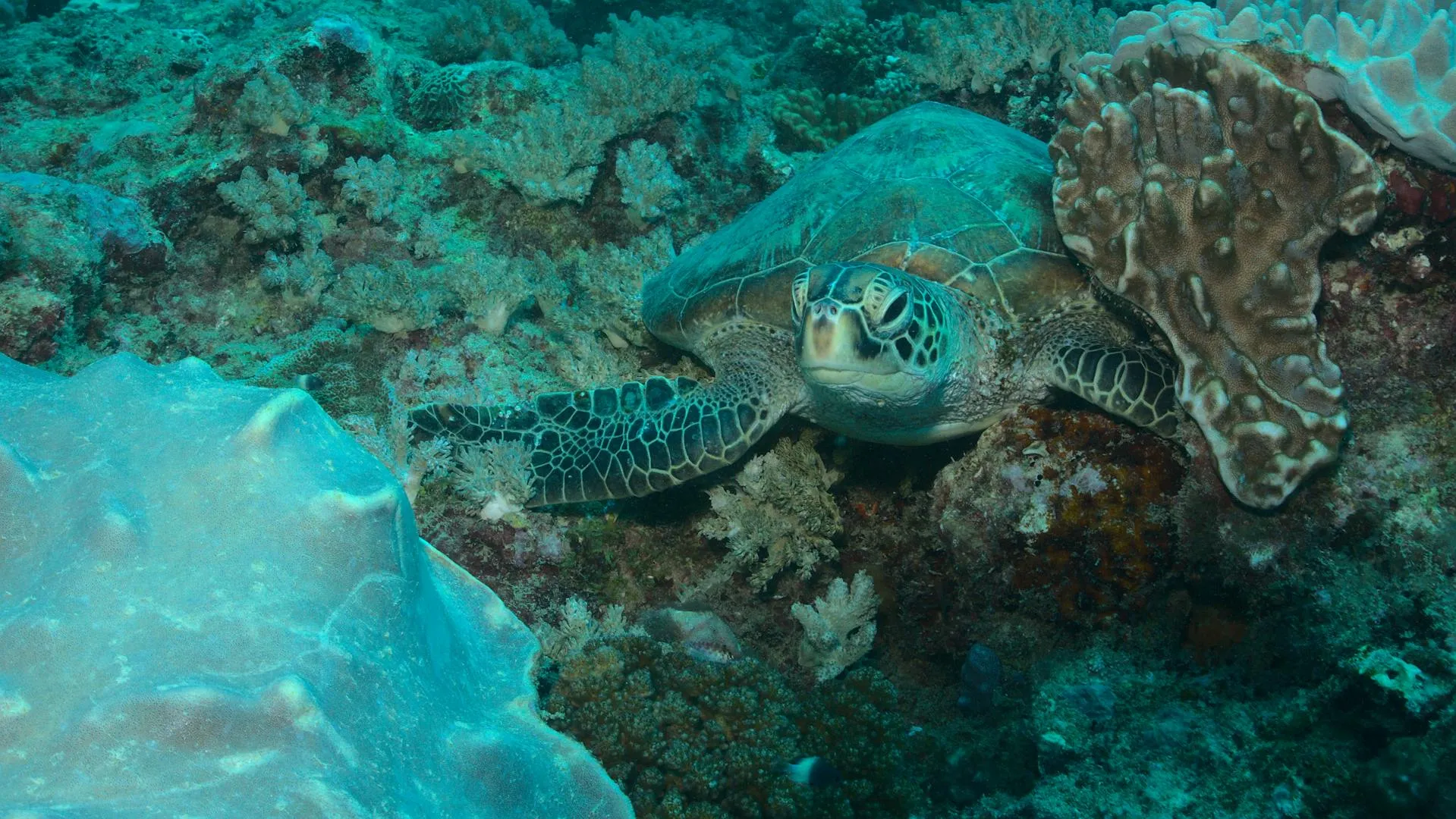
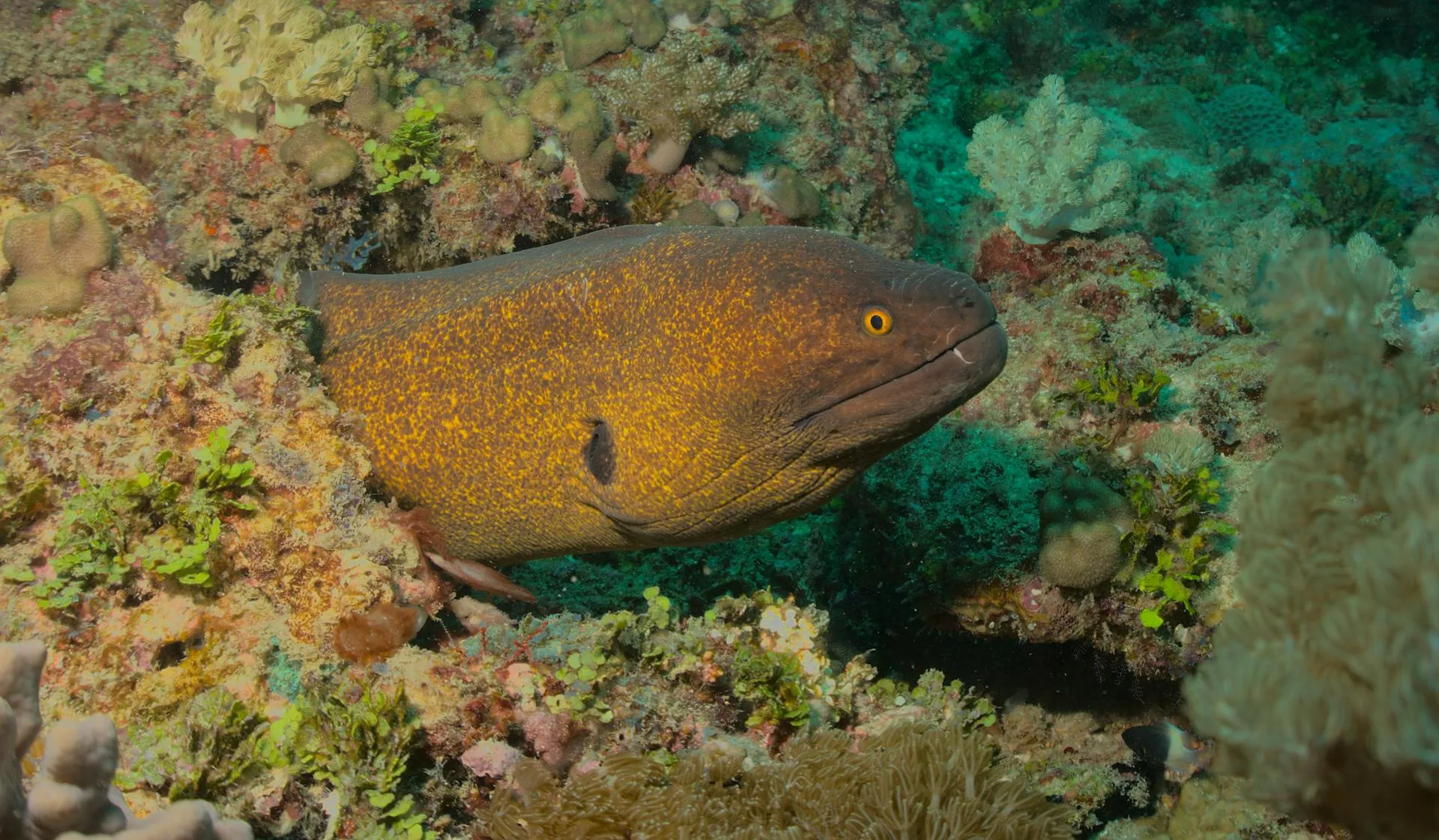
The sea off Watamu has been protected as a marine national park since 1968, and it shows. The coral gardens close to the shore are full of colourful fish, and sea turtles are often seen feeding on the seagrass. You can snorkel straight from a boat, or stay dry and watch the underwater world through the floor of a glass-bottom boat.
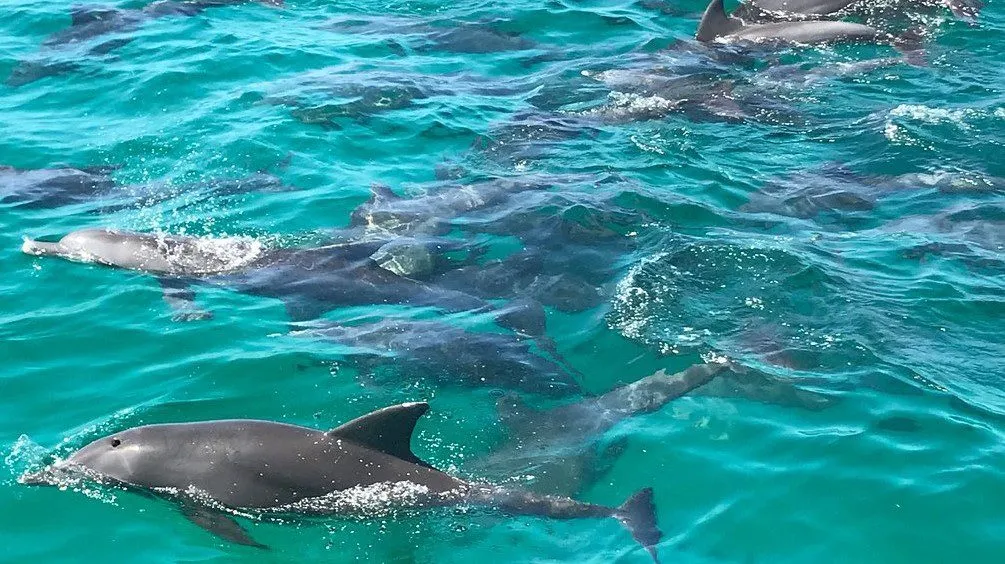
The easiest way to see the best spots in one day is our Blue Safari. The boat trip combines snorkelling on the reef, a good chance of meeting dolphins and a stop at the Sardegna 2 sandbank between Watamu and Malindi, where the water is shallow and crystal clear. Snorkelling equipment is provided, so it suits complete beginners too.
Plan around the tides: at low tide the corals are closer to the surface and the water is usually calmer. The marine park is managed by the Kenya Wildlife Service (KWS) and charges a fee that funds its protection.
Mida Creek: Mangroves, Birds and Sunsets
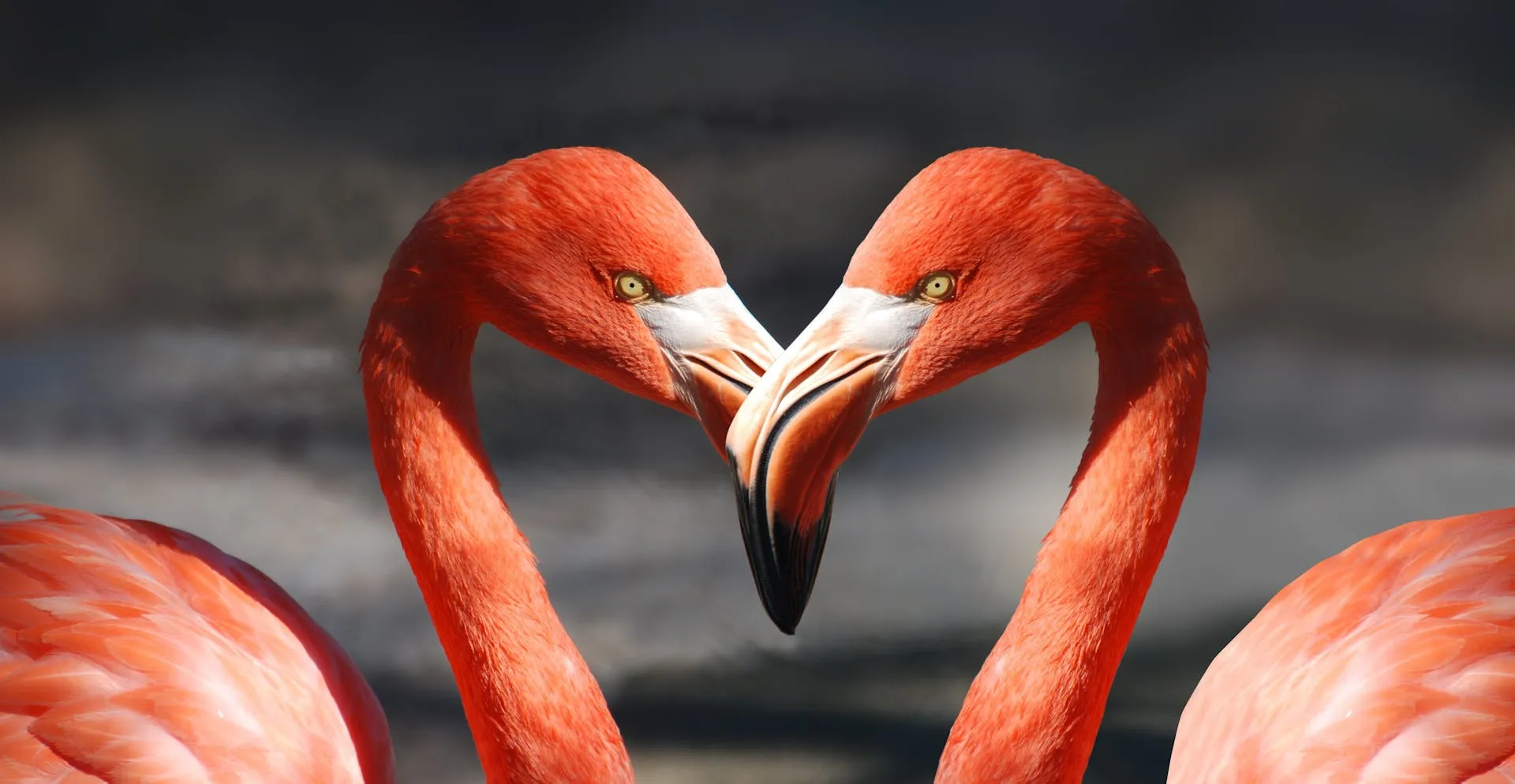
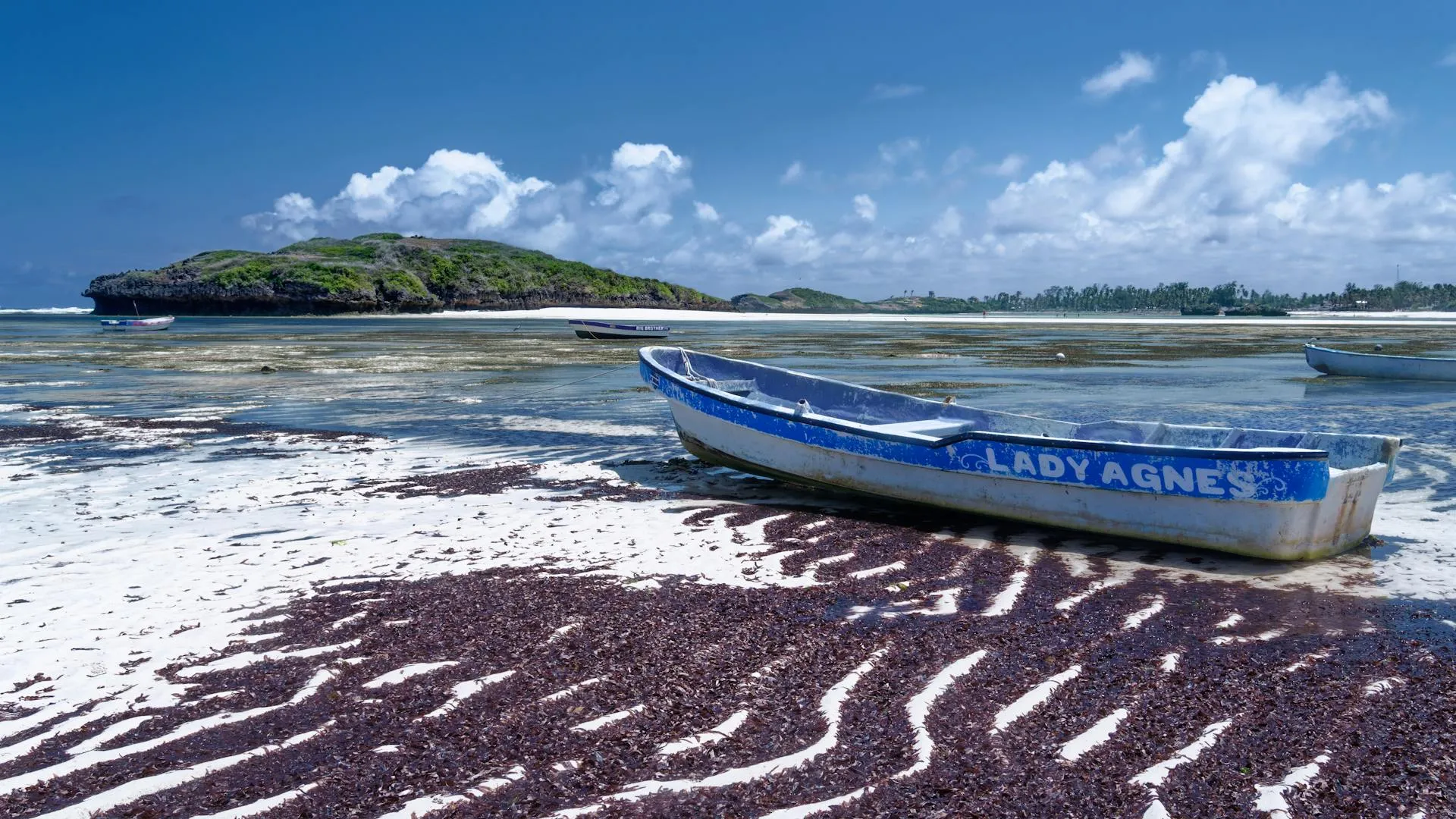
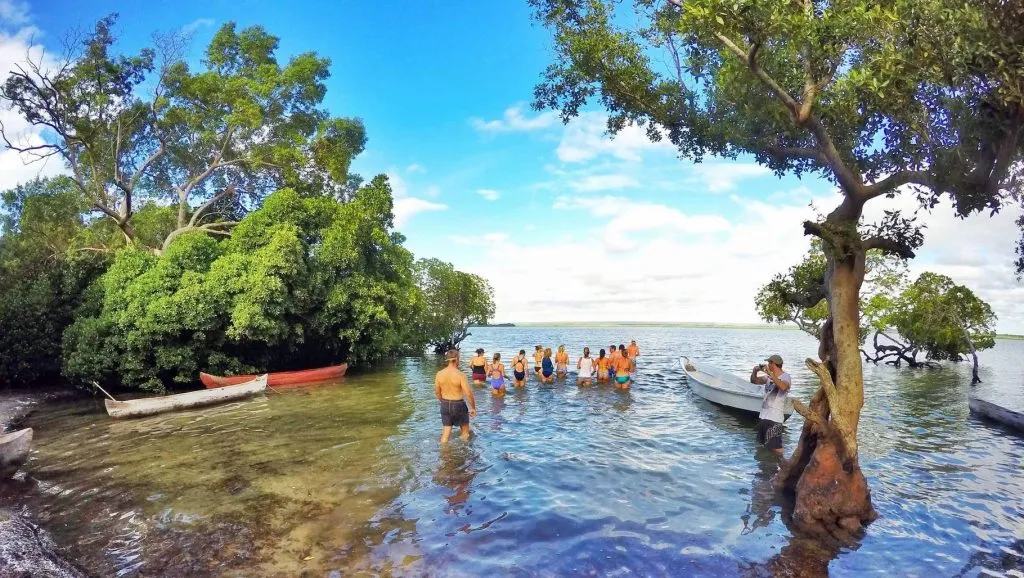
Mida Creek is a tidal inlet surrounded by mangrove forest, just a few minutes' drive from the centre of Watamu. At low tide its mudflats attract large numbers of wading birds, including many migrants from Europe and Asia during the northern winter. You're also likely to see herons and kingfishers, and with luck flamingos.
A community-run boardwalk with a suspension bridge leads through the mangroves, so you can walk deep into the forest without getting your feet wet. You can also explore the creek by canoe or on a traditional dhow at sunset, when the water glows orange. There's more about the creek on our page Where to see in Kenya.
Turtles, Snakes and Conservation Projects
Watamu has a long tradition of nature conservation, and several projects welcome visitors:
- Local Ocean Conservation rescues and treats injured sea turtles and releases them back into the sea. Its rehabilitation centre can usually be visited, and a donation supports the work directly.
- Bio-Ken Snake Farm focuses on snake research and snakebite education. On a guided tour you'll see the coast's most important species up close and learn to tell the dangerous ones from the harmless.
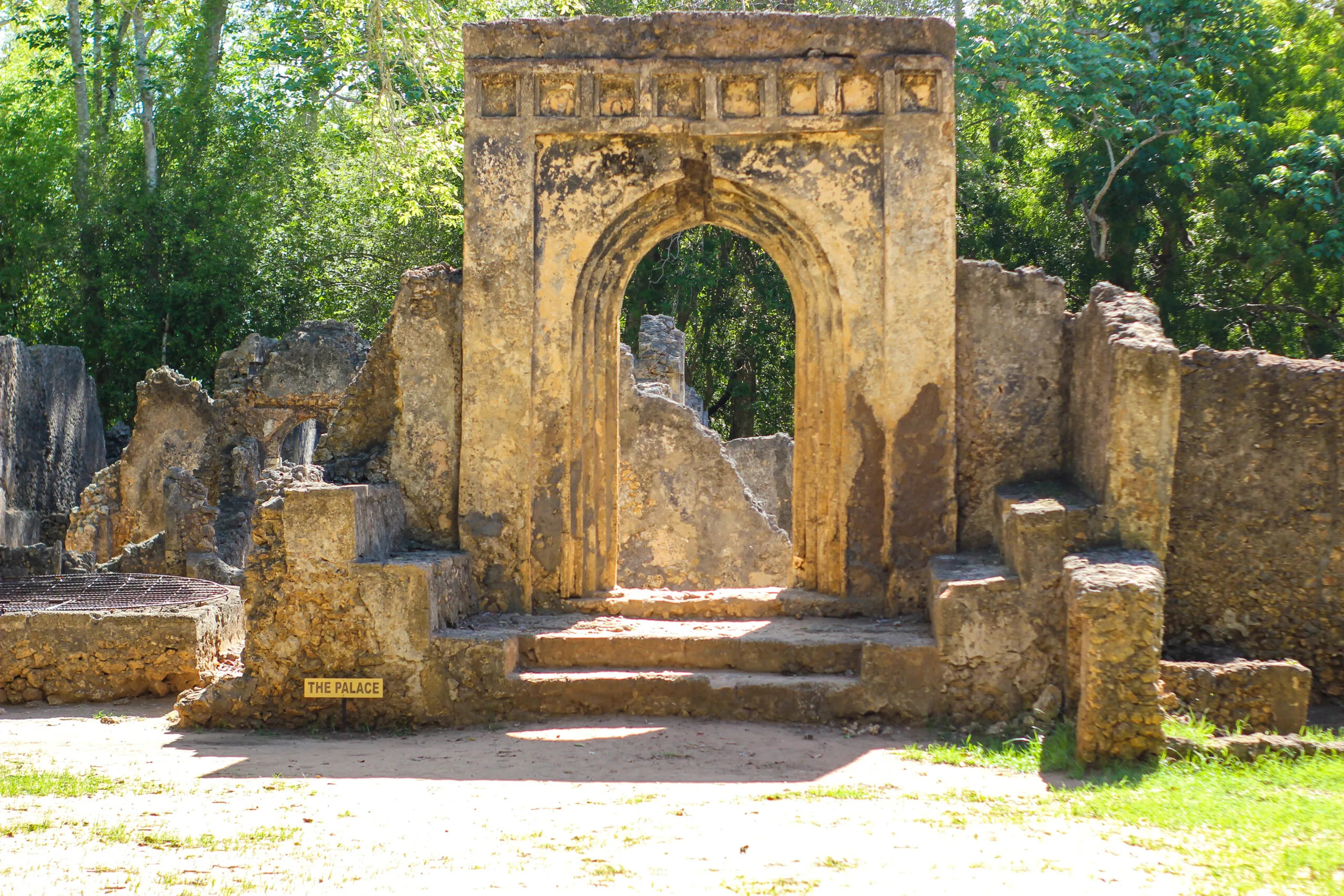
- Community projects at Mida Creek and Gede involve local people in protecting the mangroves and the forest, for example as guides or in the Kipepeo butterfly project near Gede.
These visits fit into half a day and are a good choice for families with children, or for a day when the sea is too rough for a boat trip.
Day Trips from Watamu: Hell's Kitchen, Malindi and Safari
Watamu is also a practical base for exploring further:
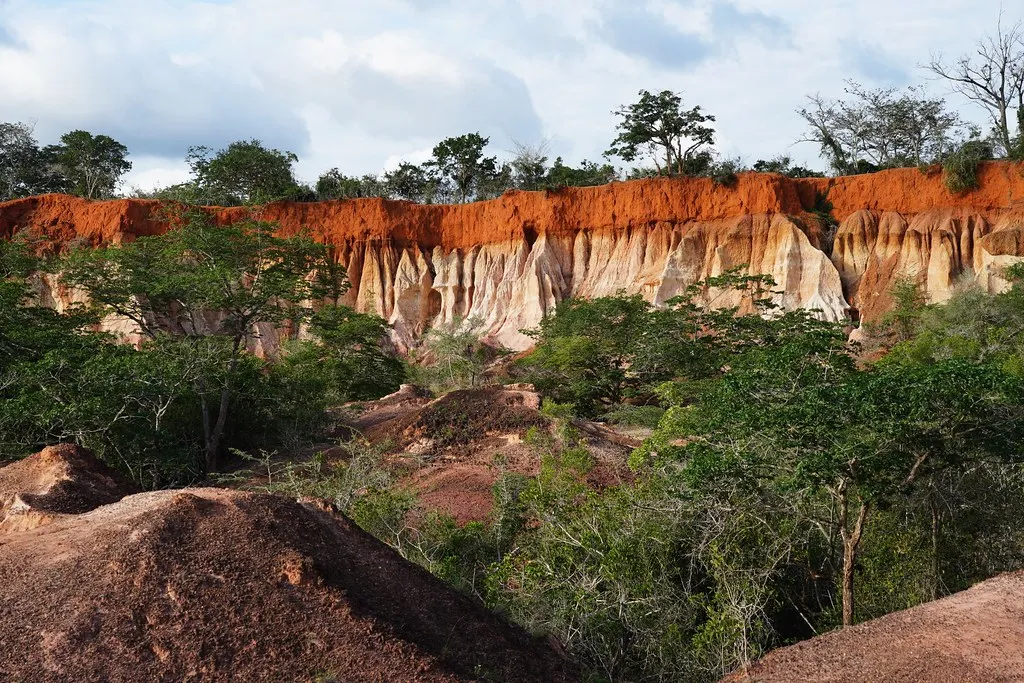
- Marafa Hell's Kitchen – a canyon of red, orange and white sandstone shaped by erosion, inland from Malindi. It's at its most beautiful in the late afternoon and at sunset.
- Malindi – a lively town about half an hour to the north, with the Vasco da Gama Pillar erected by the Portuguese explorer in 1498, a marine park and a busy seafront.
- Safari in Tsavo East – from Watamu you can reach the savanna in about three hours. Read how a safari from the coast works and which option suits you.
Most guests spend one or two weeks in Watamu and mix beach days with a boat trip, a nature or culture visit and a one- or two-day safari.
Frequently Asked Questions
When is the best time to visit Watamu?
From December to March the sea is at its calmest and clearest, ideal for snorkelling. July to October is slightly cooler and good for combining the beach with a safari, but windier. April to June is the rainy season, and some hotels close for part of it.
How many days do you need in Watamu?
At least four or five days to enjoy the beach and see the marine park, Mida Creek and Gede. With a week or more you can add Hell's Kitchen and a one- or two-day safari to Tsavo East.
How do you get to Watamu?
The nearest airport is Malindi, roughly half an hour away by car. From Mombasa's international airport the drive takes around two and a half to three hours, depending on traffic.
Is Watamu safe for tourists?
Watamu is a popular resort and most stays pass without problems. Take the usual precautions: avoid empty beaches after dark, keep valuables in the hotel safe and book trips with registered guides rather than beach vendors.
Staying in Watamu?
We'll pick you up at your hotel for a Blue Safari, a trip to Hell's Kitchen or a safari to Tsavo. Tell us your dates and what you'd like to experience, and we'll put together a plan for your stay.