 Čeština
 Deutsch
 Polski
 Español
 Italiano
 Français
Kenya Travel Tips: What to Know Before Your Trip
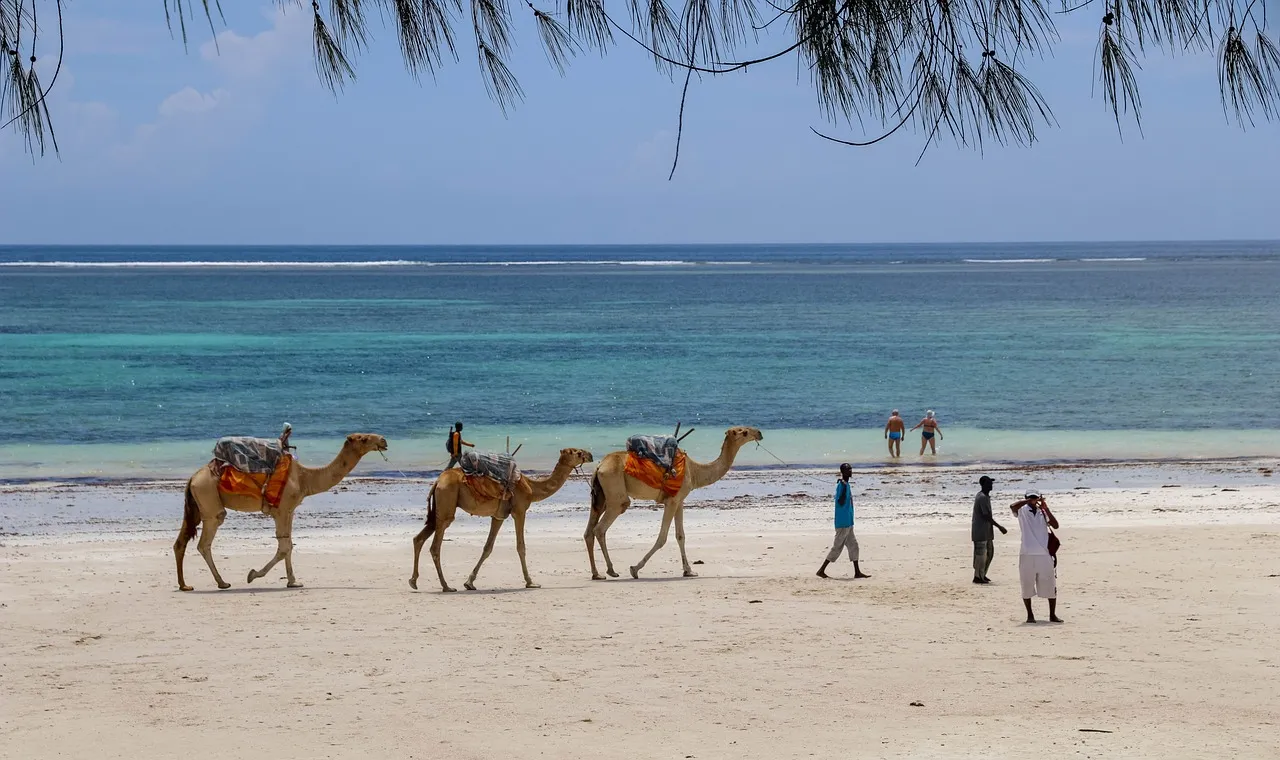
For a trip to Kenya you need a passport valid for at least six months and an approved Electronic Travel Authorisation (eTA), which you apply for online before you fly. Beyond that, it's worth discussing vaccinations and malaria protection with a travel doctor, bringing some cash and packing light, neutral-coloured clothes for the safari.
We answer these questions for our guests every week, so we've gathered the essentials in one place. Entry rules and health recommendations can change, so always check them in the official sources mentioned below shortly before you travel.
Entering Kenya: Passport and eTA
Since 2024, visitors to Kenya no longer apply for a classic visa. Instead, travellers from the UK, Europe and North America need an Electronic Travel Authorisation (eTA), which is issued online:
- Where to apply: only on the official government portal etakenya.go.ke. Other websites add their own service fees.
- When: officially at least three days before travel, but applying two or three weeks ahead gives you peace of mind.
- What you need: a passport valid for at least six months with free pages, a photo, your flight details and the address of your first accommodation.
- Children: every traveller, including babies, needs their own eTA.
Keep the approval on your phone and bring a printout too. Entry rules change from time to time, so check the current conditions on the official portal, with the Kenyan embassy or in the UK Foreign Office travel advice before you book your flights.


Money, Payments and Tipping
The local currency is the Kenyan shilling (KES). Hotels, larger restaurants and shopping centres take cards, while markets, small shops and tuk-tuks usually want cash. There are ATMs in Watamu, Malindi, Mombasa and Nairobi; withdraw larger amounts during the day, ideally inside a bank or shopping centre.
Kenyans use mobile money all the time, above all M-Pesa. Visitors can use it too after buying a local SIM card registered with their passport. It's handy for small payments, but not necessary for a short holiday.
Tipping isn't compulsory, but it's an important part of the income of guides, drivers and hotel staff. On safari it's customary to tip your guide and driver at the end of the trip, depending on how satisfied you are, so keep some small notes ready. Park entrance fees are paid electronically; on our trips we take care of them and they're included in the price, as stated in your offer.
Safety and Local Customs
The vast majority of trips to Kenya go without any problems, especially in the tourist areas of the coast and in the safari parks. Before you go, read the current travel advice from the UK Foreign Office or your own government. It warns against travel to some areas near the Somali border, which are far from the places our trips visit. On the ground, common sense goes a long way:
- Keep valuables in the hotel safe and avoid empty beaches and streets after dark.
- Use taxis booked through your hotel or ride-hailing apps, which work in Nairobi and Mombasa.
- Beach vendors can be persistent. A friendly but firm "Hapana, asante" ("No, thank you") usually does the trick.
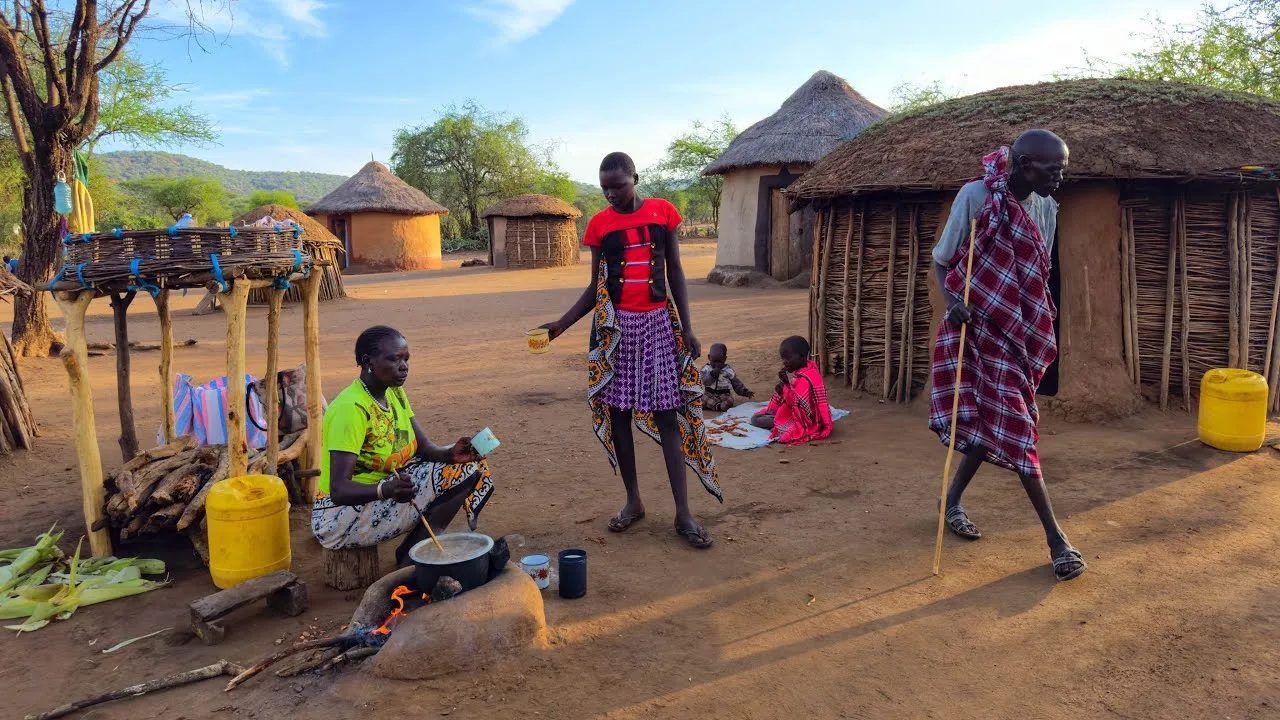
- Always ask before photographing people. In Maasai villages, taking photos is often part of a paid visit.
- On the coast, where many people are Muslim, dress modestly away from the beach and cover your shoulders and knees in towns and villages.
Two rules surprise many visitors: single-use plastic bags have been banned in Kenya since 2017, so don't pack your things in them, and flying a drone requires a permit, so it's best to leave yours at home.

Getting Around, Time Zone and Useful Swahili
Kenya drives on the left. For a holiday on the coast you won't need to drive yourself: transfers, tuk-tuks and our Kenya trips cover everything. Between Mombasa and Nairobi you can take the modern Madaraka Express train or a domestic flight.
The country is on East Africa Time (UTC+3) all year round, two hours ahead of the UK in summer and three hours in winter. Mobile coverage is good in towns and along main roads but patchy in the parks. A local SIM card from Safaricom or Airtel is cheap, but you need your passport to register it.
The official languages are English and Swahili, and a few words of Swahili always earn a smile:
- Jambo / Habari – hello / how are you?
- Asante (sana) – thank you (very much)
- Karibu – welcome, you're welcome
- Pole pole – slowly, take it easy
- Hakuna matata – no problem
Still deciding when to go? Our month-by-month guide explains the best time to visit Kenya.
Frequently Asked Questions
Do I need a visa for Kenya?
Not a classic visa. Travellers from the UK and Europe need an Electronic Travel Authorisation (eTA), applied for online at etakenya.go.ke before departure. Apply at least a few days ahead, ideally two to three weeks, and check the current rules before you travel.
Which vaccinations do I need for Kenya?
No vaccination is compulsory when you fly in directly from the UK or Europe, unless you arrive from or through a country with a risk of yellow fever. Doctors usually recommend hepatitis A, typhoid, up-to-date routine vaccines and malaria prevention. See a travel clinic four to six weeks before you leave.
Is Kenya safe for tourists?
The tourist areas on the coast and the safari parks welcome many travellers without problems. Follow your government’s travel advice, avoid areas near the Somali border and take the usual care with valuables, especially in cities and after dark.
What currency should I bring to Kenya?
The local currency is the Kenyan shilling. Cards work in hotels and larger restaurants, and you can withdraw shillings from ATMs in towns. Bring some cash in small notes for markets, tuk-tuks and tips.
Questions Before Your Trip?
Write to us before you book your flights. We'll help you plan your dates, choose your trips and prepare for the safari, so you can arrive in Kenya relaxed.